





Flemish Wall Panel
These flemish wall panel pieces combine centuries of textile art and carved oak, offering rich historical depth for any interior.
Flemish Wall Panel
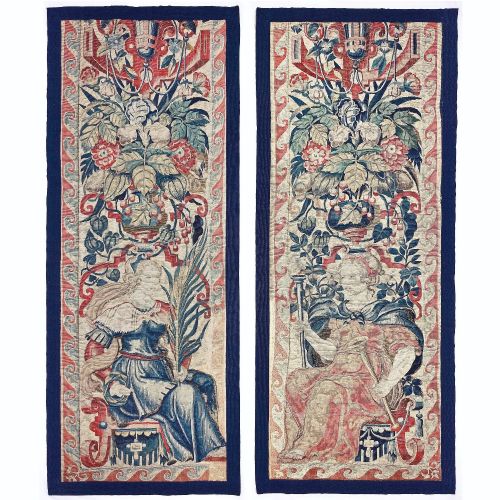
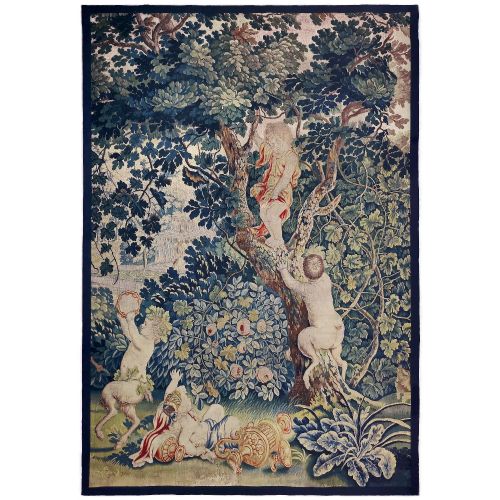
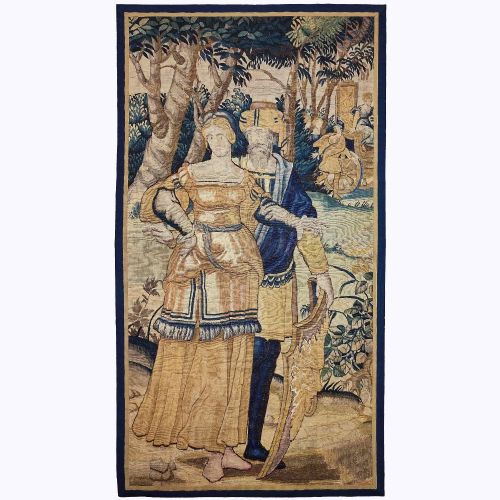
A flemish wall panel encompasses woven tapestry fragments, carved oak reliefs and oil paintings on wood panels spanning from the sixteenth to the nineteenth century. Buyers seeking this category encounter verdure tapestries, tavern scene carvings and allegorical oak panels rooted in Baroque and Renaissance traditions.
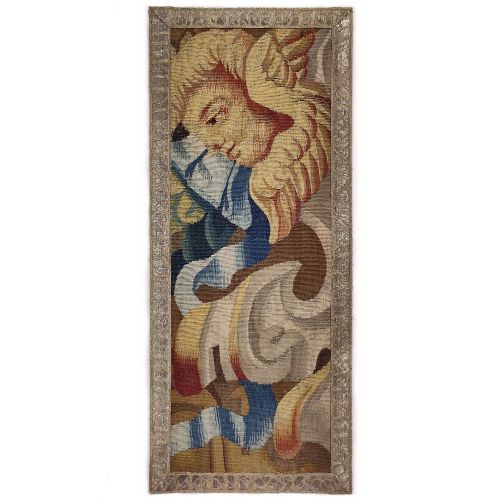
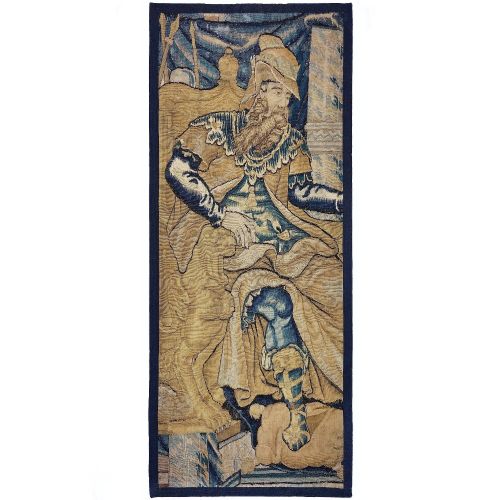
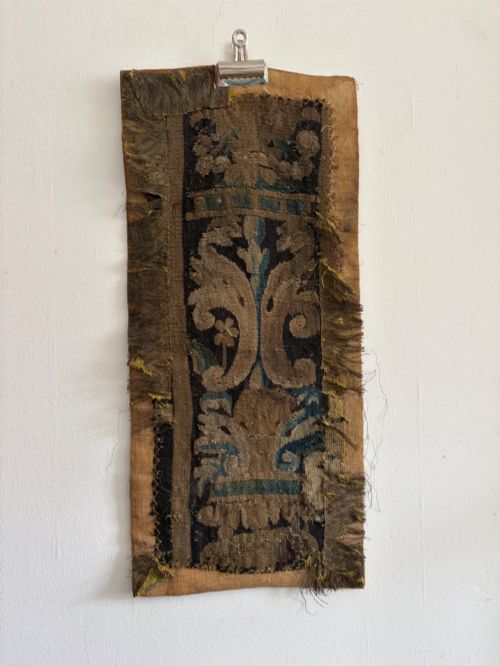
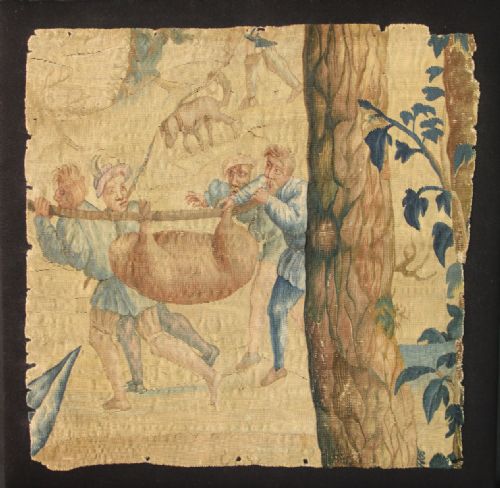
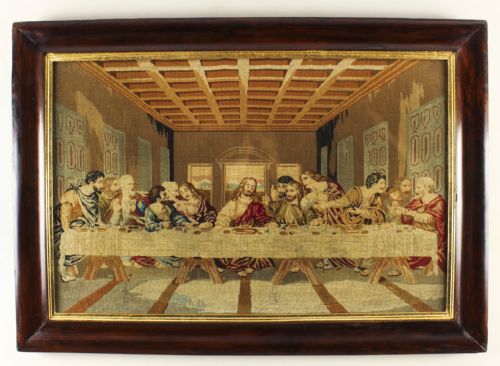
The selection ranges from early sixteenth century woven works and seventeenth century tapestry fragments mounted to linen, to Victorian revival oak carvings and nineteenth century Flemish school paintings. Pieces vary from large verdure wall hangings to cushion covers and pairs of historical fragments.
Materials and construction
Woven items utilise wool and silk yarns, frequently mounted onto linen support fabrics for preservation and display. Carved items employ solid oak, shaped into detailed panels and relief figures within gilt wood frames or architectural settings.
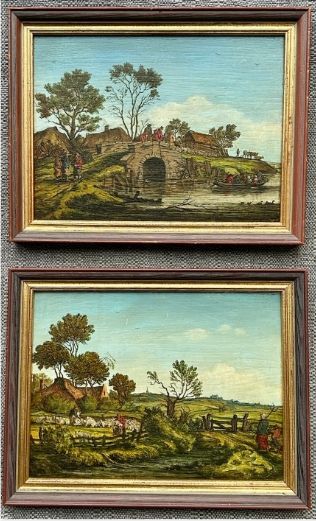
Painted works apply oil paint directly onto prepared wood panels. Tapestries incorporate verdure designs depicting foliage and landscapes, whilst carved panels present figurative allegories and tavern scenes.
Flemish Wall Panel Retail Price Guide 2026
Typical asking prices for flemish wall panel among the pieces listed under this phrase on Sellingantiques today, from the lower quarter to the upper quarter. They describe what is for sale here now, not the wider market.
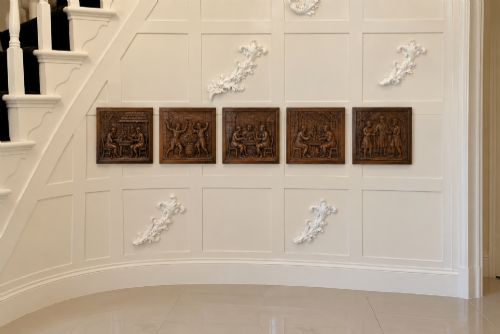
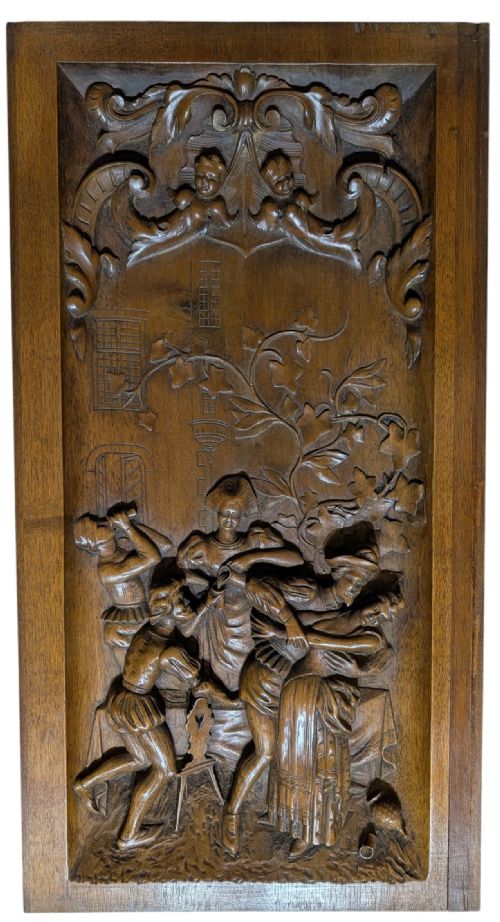
Seventeenth century tavern scenes carved in oak bring raucous local life right into the dining room.
Judging quality and execution
Quality separates through the depth and crispness of the carving in oak panels, or the complexity of the weave and survival of colour in wool and silk tapestries. Early sixteenth and seventeenth century pieces display greater fineness in detail compared to later nineteenth century revival works.
Preservation of the original material, whether the integrity of a tapestry fragment or the stability of an oil painting on wood, dictates the standing of each piece.
W Klombeck
The Flemish Wall Panel Glossary
- Verdure tapestry
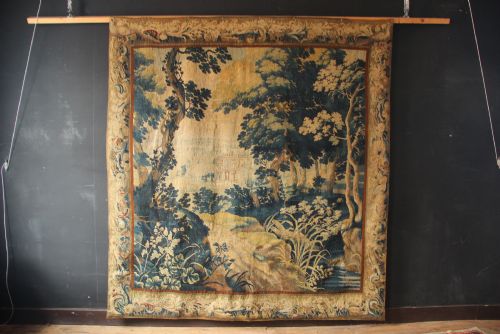
- A wall hanging depicting botanical designs, foliage and landscapes. These textiles often feature stylised trees and plants.
- Baroque
- An artistic style characterised by drama, deep relief carving and ornate ornamentation. This aesthetic dominates seventeenth century pieces.
- Tapestry fragment
- A surviving portion of a larger woven wall hanging. These sections are frequently mounted to linen for modern display.
- High Baroque
- An intense phase of the Baroque style marked by vigorous movement and theatrical composition. It appears in carved oak allegories.
- Oil paint
- Pigment suspended in a drying oil, applied to wood panels. This medium allows for subtle tonal gradations in historical paintings.
Flemish Wall Panel: Frequently Asked Questions
What is a verdure tapestry?
A verdure tapestry is a woven wall hanging dominated by botanical motifs, trees and landscape foliage rather than human figures. These textiles were designed to bring natural scenes into interior spaces.
In this selection, verdure pieces appear as large wall hangings and smaller fragments, often mounted to linen for preservation.
How were carved oak panels used?
Carved oak panels functioned as architectural wall decoration within taverns, civic buildings and domestic interiors. They frequently depicted narrative scenes, allegories or religious subjects.
Today, these panels are typically displayed as standalone artworks or mounted sets within wooden frames.
Are these pieces from the sixteenth century?
Certain examples date from the sixteenth century, representing early periods of Flemish weaving and woodcarving. These early works sit alongside seventeenth century survivals and later nineteenth century revival pieces.
Evaluating the age involves examining the style of the carving, the nature of the weave and the material deterioration.
How do I care for a textile panel?
Textile panels and tapestry fragments require protection from direct sunlight to prevent the fading of wool and silk yarns. Displaying them away from moisture and heat sources maintains the fabric stability.
Many historic textile fragments are mounted to linen support fabrics to distribute the weight evenly during hanging.