







Flemish Textile Art
Flemish textile art brings centuries of woven mythology and lush landscapes into rooms that demand gravity and substance.
Flemish Textile Art
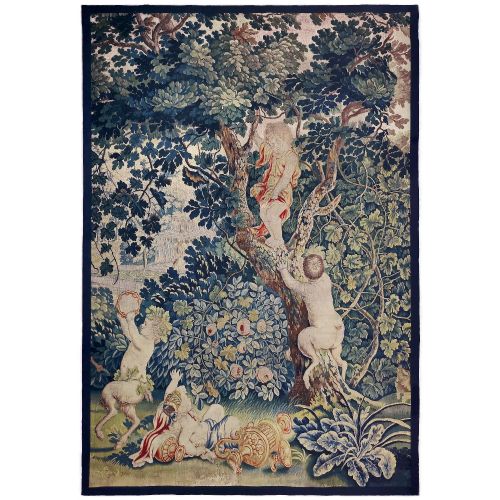
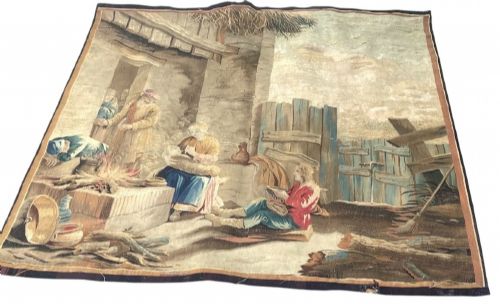
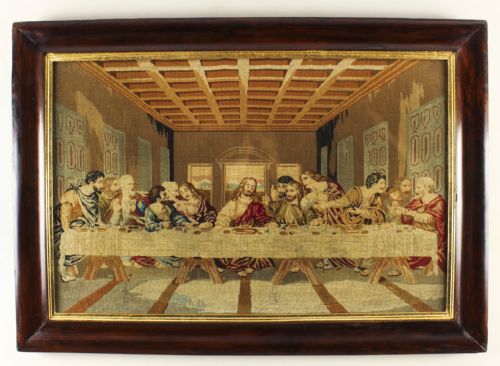
When searching for flemish textile art, collectors encounter grand wall hangings, expansive verdure tapestries, and intimate fragments. The pieces available range from sixteenth-century panels to seventeenth-century game park scenes and eighteenth-century cushion covers.
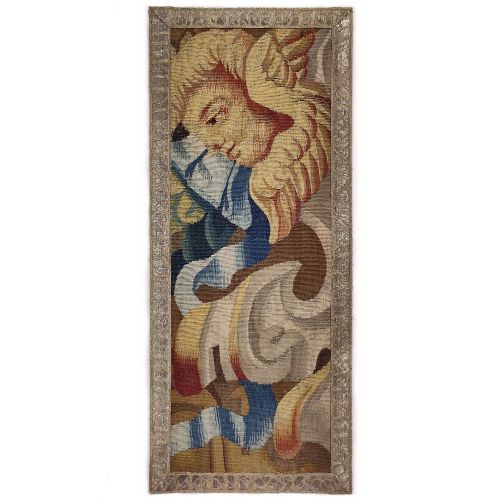
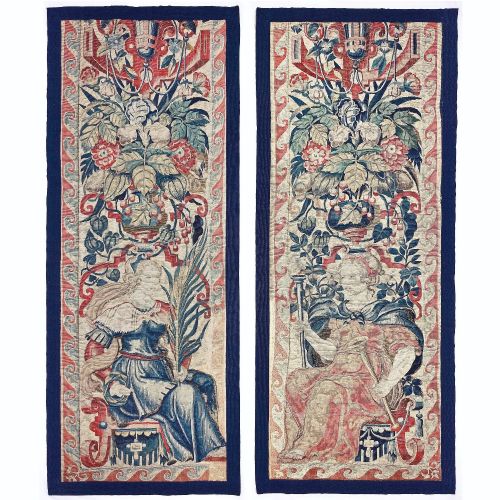
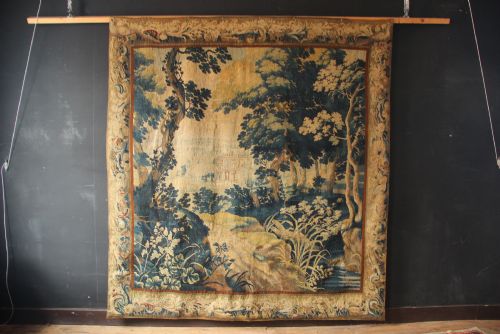
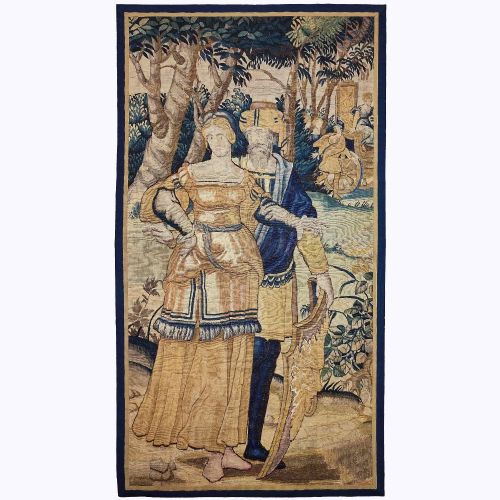
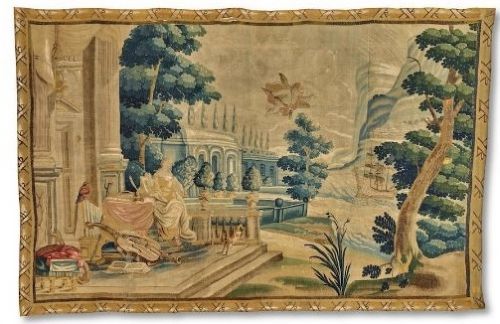
Grand mythological scenes and large-scale architectural wall tapestries represent the most ambitious forms found within this tradition. Buyers are most likely to meet verdure tapestries depicting dense foliage, alongside preserved fragments mounted to linen or fashioned into functional home accessories.
The historical scope spans the sixteenth, seventeenth, and eighteenth centuries, with occasional nineteenth-century interpretations of earlier themes. Each format, whether a full-scale room wrap or a modest cushion cover, carries the dense pictorial traditions of Flanders.
Materials and construction
The primary fabric construction relies on hand-woven combinations of wool, silk, and linen yarns. These organic fibres were dyed in deep tones to create the intricate shadows and highlights characteristic of the period.
Larger wall hangings incorporate robust wooden hanging mechanisms or backing supports such as linen to maintain structural integrity across wide spans. Surviving fragments often show evidence of period mounting techniques designed to preserve the delicate textile matrix.
Flemish Textile Art Retail Price Guide 2026
Typical asking prices for flemish textile art among the pieces listed under this phrase on Sellingantiques today, from the lower quarter to the upper quarter. They describe what is for sale here now, not the wider market.
The listings on this site span the 16th, 17th, 18th, and 19th centuries, utilising wool, silk, linen, wood, and gold leaf.
Judging the work
The distinction between standard workshop output and exceptional pieces lies in the complexity of the narrative and the subtlety of the colour gradations within the wool and silk threads. Master weavers achieved remarkable depth in verdure foliage and mythological expressions.
State of preservation significantly influences the character of a piece, separating intact panels from fragmentary survivals. The fineness of the weave and the complexity of the border designs further distinguish superior examples from simpler domestic commissions.
The Flemish Textile Art Glossary
- Verdure tapestry
- A wall hanging dominated by lush botanical scenes, foliage, trees, and often small animals or birds. These pieces focus on natural landscapes rather than human figures.
- Tapestry fragment
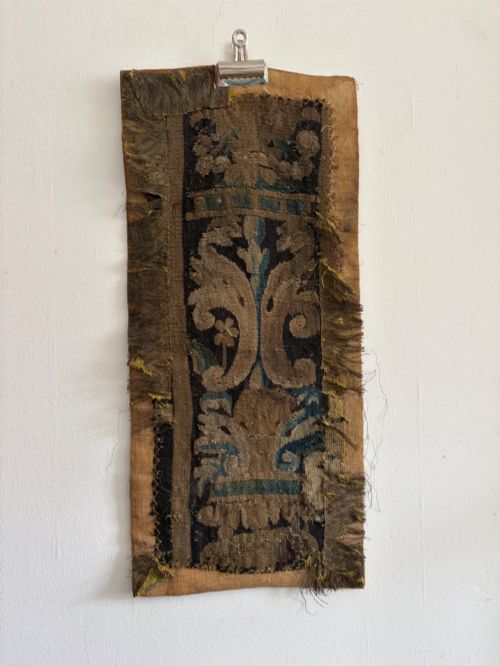
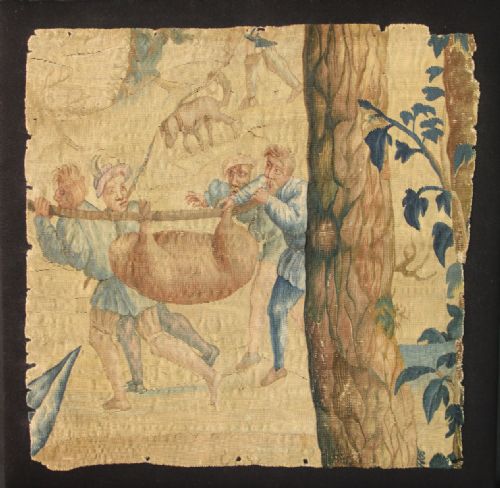
- A surviving portion of a larger destroyed or damaged wall hanging, frequently salvaged and mounted to linen for display. Fragments preserve specific pictorial elements like borders or figures.
- Game park tapestry
- A specialised style of verdure weaving depicting enclosed hunting reserves, woodland paths, and game animals. They reflect the aristocratic leisure pursuits of the seventeenth century.
- Flemish Renaissance
- An artistic period spanning the sixteenth century characterised by classical humanism combined with northern realism in textile design. Weavers translated complex historical and religious narratives into rich woven formats.
Flemish Textile Art: Frequently Asked Questions
How do I hang a heavy tapestry?
Large wall hangings require specialised weight-distributing wooden battens or sewn-in velcro support strips to prevent the textile fibres from stretching under their own mass.
Avoid hanging pieces in direct sunlight to protect the natural wool and silk dyes from rapid fading over time.
Can I use cushion covers daily?
Historic cushion covers made from tapestry panels were designed for functional interior use, but surviving examples require gentle care due to their age.
Displaying them in low-traffic seating areas helps preserve the fragile silk and wool threads from excessive friction and wear.
How do I tell centuries apart?
Sixteenth-century panels often display Renaissance architectural motifs and human figures, while seventeenth-century works lean towards dramatic Baroque mythology and lush game parks.
Eighteenth-century examples tend toward lighter verdure palettes and more restrained compositions, reflecting changing interior tastes of the period.