




Flemish Tapestry Panel
A flemish tapestry panel brings centuries of historic European textile art into a room through rich woven scenes.
Flemish Tapestry Panel
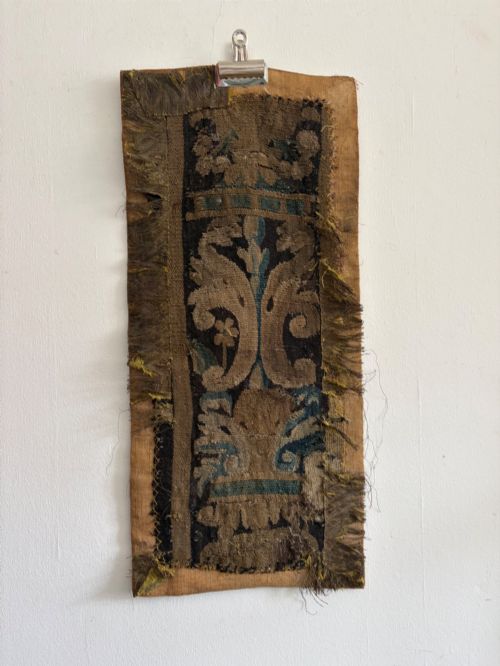
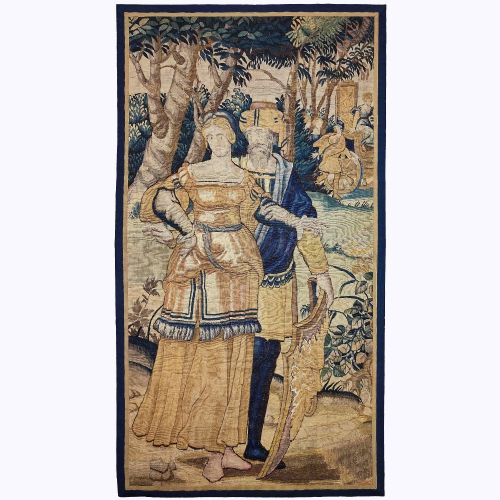
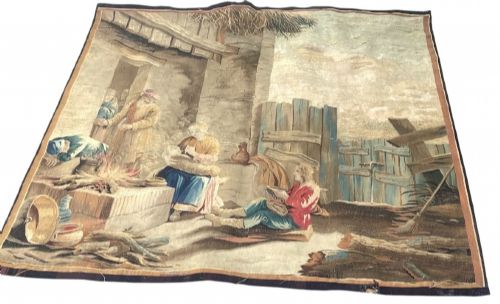
A flemish tapestry panel represents historic woven wall art originating from historic weaving centres, most frequently appearing in seventeenth century baroque and verdure styles. These pieces survive as large wall hangings, framed fragments, cushion covers, or folding screens mounted on wood or linen.
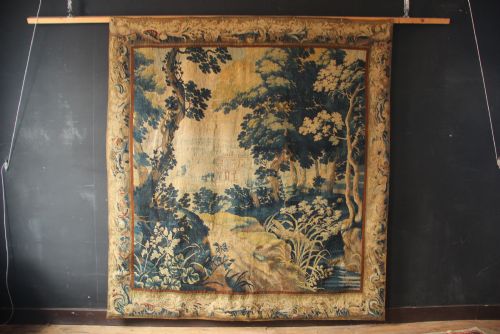
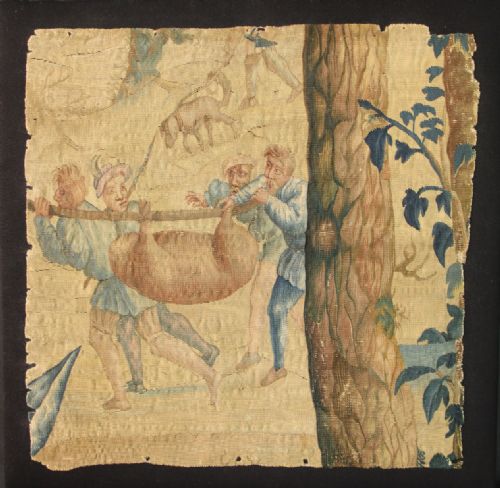
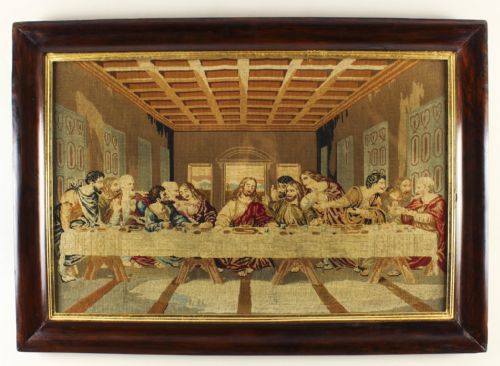
Buyers encounter panels spanning from the sixteenth century through to the nineteenth century, including verdure landscapes depicting foliage and trees. Pieces also include figural subjects such as the Last Supper or pastoral scenes after Teniers.
The selection ranges from expansive seventeenth century baroque compositions to smaller eighteenth century European fragments and nineteenth century interpretations. Each object demonstrates the enduring legacy of Flemish weaving traditions adapted for domestic interiors.
Assessing quality and craftsmanship
Quality rests upon the fineness of the weave and the complexity of the pictorial design, distinguishing verdure landscapes with dense foliage from simpler fragment pieces. The skillful blending of wool and silk threads dictates how successfully the panel captures depth, light, and shadow.
Condition and original integrity separate exceptional examples from heavily restored fragments, noting that mounting techniques on linen influence structural stability. The prestige of the period, ranging from sixteenth century works to later nineteenth century pieces, also shapes the standing of the textile.
The inventory spans the sixteenth, seventeenth, eighteenth, and nineteenth centuries, alongside Flemish Baroque and Renaissance styles.
The Flemish Tapestry Panel Glossary
- Verdure
- A type of tapestry featuring a dominant landscape design of plants, trees, foliage, and often birds or animals. These pastoral scenes were especially popular in seventeenth and eighteenth century Flemish production.
- Warp
- The strong vertical threads stretched upon a loom that form the structural foundation of the textile. Weft threads are woven horizontally across these stationary warp threads to create the design.
- Weft
- The horizontal threads passed back and forth through the warp to build up the coloured pictorial surface. In fine Flemish weaving, dyed wool and silk weft threads create intricate details.
- Tapestry Fragment
- A surviving portion of a larger historic wall hanging, often cut down and remounted for domestic display. These pieces frequently preserve specific borders or landscape vignettes.
- Flemish Baroque
- An artistic style from the seventeenth century characterised by dramatic movement, rich detail, and grand scale. Flemish weavers applied this theatrical aesthetic to elaborate wall tapestries.
Flemish Tapestry Panel: Frequently Asked Questions
How were flemish tapestry panels displayed originally?
Historic interiors utilised these large textile panels as wall hangings to insulate stone chambers and demonstrate wealth.
Today, collectors mount surviving examples directly onto walls or display them as framed textile art and folding screens.
What is a verdure tapestry?
A verdure tapestry depicts lush woodland foliage, trees, and gardens rather than historic or biblical narratives.
These landscape pieces often include stylised plants and distant chateaux woven in greens, blues, and earth tones.
How do I care for an antique textile panel?
Protect antique wool and silk panels from direct sunlight to prevent fading of the natural dyes.
Keep them in stable environments away from high humidity and consult textile conservators regarding proper mounting on linen.
Can I date a tapestry by its border?
Border designs provide valuable clues for dating, as seventeenth century Flemish panels often feature ornate floral and architectural cartouches.
Comparing border fragments to documented pieces helps narrow down the century of production.