




Flemish Style Ceiling Light
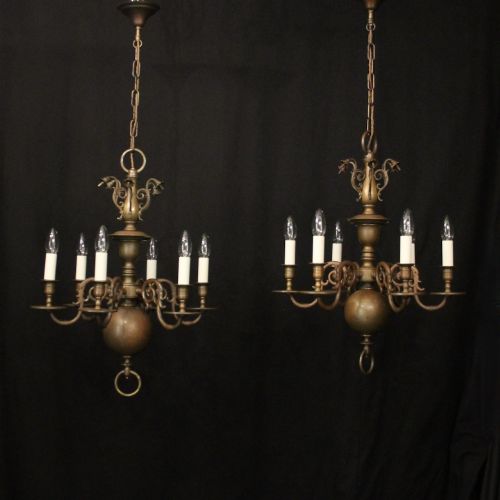
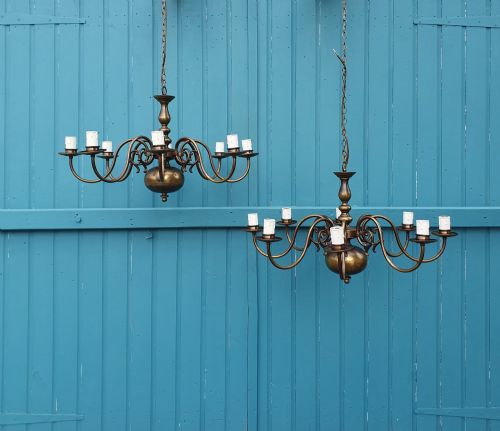
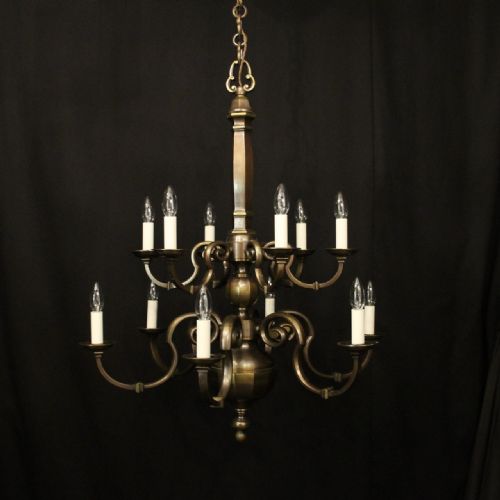
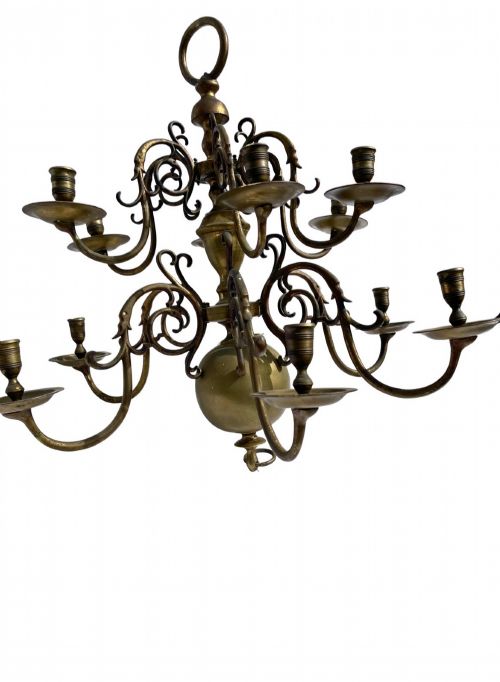
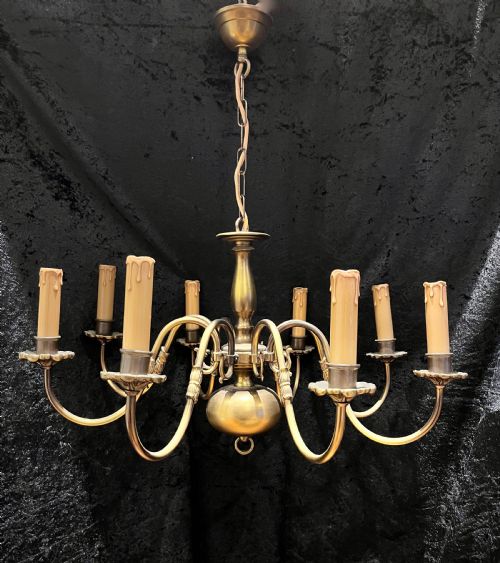
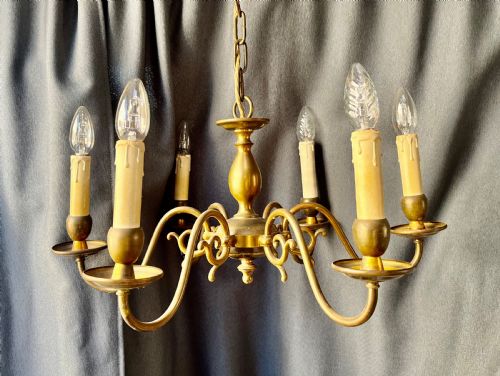
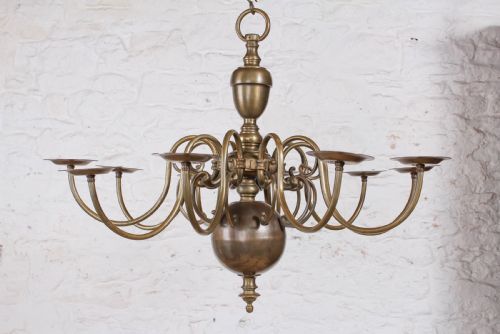
These flemish style ceiling light fixtures bring heavy brass and bronze structure into a room, offering multi-branched illumination drawn from early continental designs.
Flemish Style Ceiling Light
A flemish style ceiling light is typically encountered as a multi-branched chandelier hanging from chains or rods, drawing heavily on historic Dutch and Flemish forms. These fixtures range from compact three-foot diameters up to substantial twelve-light configurations suited to larger rooms.
The selections available span multiple decades and centuries, stretching from eighteenth-century examples to pieces produced across the Edwardian era and the early twentieth century. Buyers most frequently meet solid brass or bronze interpretations referencing Dutch Baroque, Flemish Renaissance, and Victorian revivals.
Object types on this page are strictly chandeliers, featuring multiple arms spreading outwards to support candle-style lights or bulbs. Origins vary between English interpretations of continental aesthetics and imported Dutch or Flemish designs.
Construction and materials
Metalworking dominates the construction of these fixtures, utilising cast and turned brass, solid bronze, and occasional silver plate over brass bases. Components are assembled from multiple cast sections, creating weighted central stems and sweeping arms.
Glass elements sometimes accompany the metalwork, adding reflective qualities to the multi-armed structures. Surface finishes rely on the natural ageing of brass and bronze rather than applied synthetic coatings.
Some heavy bronze chandeliers require checking that your ceiling beams possess stronger opinions on weight limits than yours do.
Distinguishing quality in these chandeliers
Quality reveals itself in the weight and crispness of the cast metal components, where finer pieces display sharply defined scrollwork and balanced arm proportions. Heavier gauge brass and solid bronze structures maintain structural integrity better over centuries of hanging.
The complexity of the arm configuration also dictates the caliber of the fixture, moving from simple six-arm formats to intricate multi-tier arrangements with numerous branches. Original period manufacture differs noticeably from later revival pieces through the depth of hand-finishing on the metal.
The Flemish Style Ceiling Light Glossary
- Chandelier
- A branched ceiling-mounted lighting fixture designed to hold multiple light sources. These objects suspend centrally in a room to provide ambient illumination.
- Brass
- An alloy of copper and zinc used extensively for its warm metallic tone and durability. This material forms the primary body of most continental revival lighting.
- Bronze
- A heavy copper alloy containing tin, valued for its strength and dark patination. It appears frequently in English and continental chandeliers from the nineteenth century.
- Baroque
- An ornate artistic style originating in the seventeenth century characterised by dramatic curves and rich detail. Revivals of this aesthetic heavily influence nineteenth and twentieth-century lighting designs.
Flemish Style Ceiling Light: Frequently Asked Questions
How do I hang a heavy brass chandelier?
These heavy brass and bronze fixtures require direct attachment to ceiling joists using rated structural hooks rather than standard plaster fixings. Professional electrical installation ensures the weight is safely supported.
Because many examples date from the nineteenth or early twentieth century, internal wiring usually needs updating to meet modern safety standards before hanging.
What rooms suit a multi-arm brass chandelier?
Large multi-armed chandeliers provide strong central lighting suited to dining rooms, high-ceilinged hallways, and spacious living areas. Their substantial metal presence anchors the vertical space of a room.
Smaller formats with diameters around seventeen inches work well in compact studies or bedrooms where heavy scale would otherwise overwhelm the space.
How do I clean antique brass lighting?
Dusting with a dry, soft cloth prevents grime accumulation on the intricate scrollwork and arms of brass chandeliers. Avoid harsh chemical cleaners that strip away historic patination.
Leaving the natural aged surface intact preserves the character developed over decades or centuries of use.
How can I tell an older chandelier from a later revival?
Older pieces display heavier cast components, hand-finished detailing, and consistent wear patterns appropriate to their stated century. Fasteners and construction methods often reveal the age of the metalwork.
Revival pieces from the early twentieth century mimic earlier Baroque styles while utilising contemporary manufacturing techniques of their period.