





Flemish Portrait Painting
These flemish portrait painting examples bring the gravitas of northern European portraiture into a room.
Flemish Portrait Painting
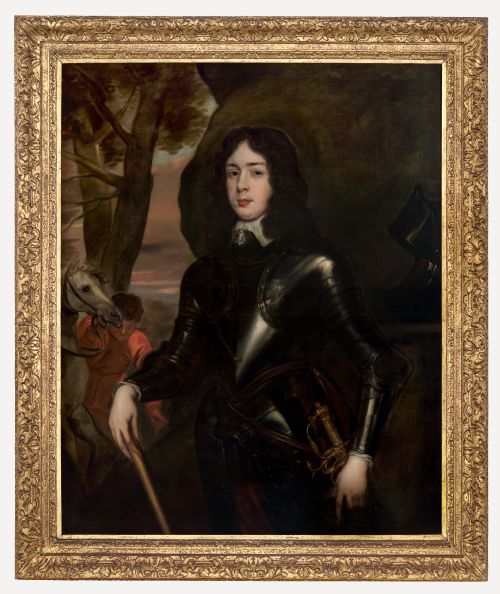
A flemish portrait painting captures the likenesses of gentlemen, officers, prelates and royalty, often rendered in oil on canvas across the sixteenth, seventeenth, eighteenth and nineteenth centuries.
Buyers will most frequently encounter works from the seventeenth century, alongside later revivals and pieces in the manner or style of Northern Renaissance and Baroque masters.
The subjects range from formal court figures in armour to tavern interiors and musicians, reflecting both aristocratic ambition and genre character studies.
How They Were Made
These works rely on oil paint applied to canvas or linen substrates, stretched over wooden frames and frequently housed in giltwood surrounds.
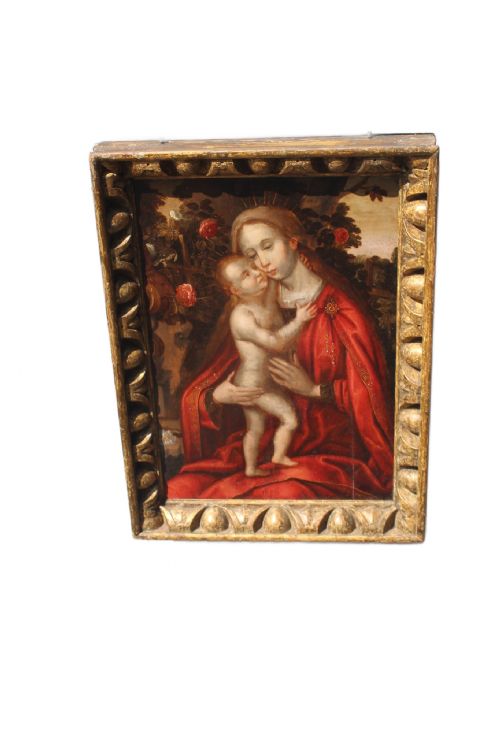
Techniques follow the traditions of the Flemish School and Dutch Golden Age, building rich layers of pigment to describe fabrics like red robes and black cassocks with deep luminosity.
The inventory records pieces associated with the Northern Renaissance, Flemish Baroque and Dutch Golden Age styles.
What Varies in Quality
The distinction between a standard studio output and a compelling period piece lies in the sureness of brushwork and the psychological depth captured in the sitter's expression.
Handling of light, shadow and textiles separates confident period compositions from later, more mechanical copies or revivals.
Sir Anthony van Dyck·David Teniers The Younger·Jan Cossiers·Peter Paul Rubens·Ambrious Benson·Frans Pourbus the Elder·Ludolf de Jongh
The Flemish Portrait Painting Glossary
- Flemish School
- A regional tradition of painting originating in Flanders, noted for fine detail, rich colour and mastery of oil technique. It spans from the Northern Renaissance through the Baroque era.
- Baroque
- An artistic style prevalent in the seventeenth century characterised by dramatic use of light and shadow, rich detail and a strong sense of movement. In portraits, it conveys intense presence and authority.
- Giltwood
- Wood carved and coated with gold leaf or a gold-coloured finish, commonly used for traditional picture frames. It adds a warm, reflective border to oil paintings.
- Genre Painting
- The pictorial representation of scenes from everyday life, ordinary people, and interiors. These works often feature figures in taverns or domestic settings.
- Oil Paint
- A slow-drying paint made by combining pigments with a drying oil, typically linseed. It allows for smooth blending and deep, translucent glazes.
Flemish Portrait Painting: Frequently Asked Questions
What periods do these paintings cover?
The works span from the sixteenth century through the seventeenth and eighteenth centuries into the nineteenth and twentieth centuries.
Many examples date specifically to the seventeenth-century Baroque period or reflect later revivals of those styles.
Who are the typical subjects depicted?
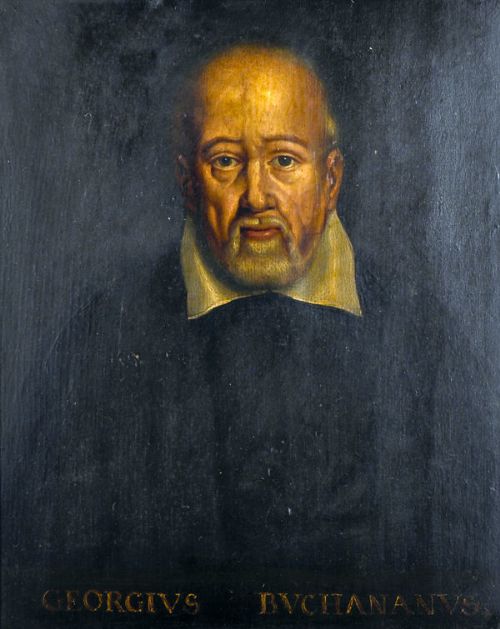
Subjects include aristocrats, military officers in armour, prelates in cassocks, poets and musicians.
Other works depict everyday figures in tavern interiors or genre scenes associated with the Flemish and Dutch traditions.
What materials were used to create them?
Artists used oil paint on woven supports such as canvas and linen.
The finished works are typically presented in wooden or giltwood frames.
How do I distinguish original period works from later styles?
Distinctions rely on examining the handling of oil paint, the construction of the canvas support, and the stylistic conventions of specific schools.
Attributions often reference followers, circles or the manner of major historical painters rather than primary hand.