




Flemish Oil Painting
A flemish oil painting brings centuries of deep texture, rich storytelling and masterful lighting directly into a room.
Flemish Oil Painting
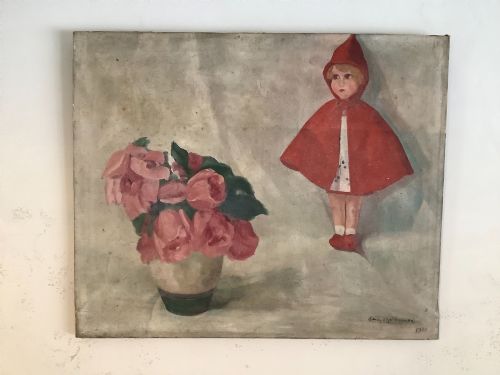
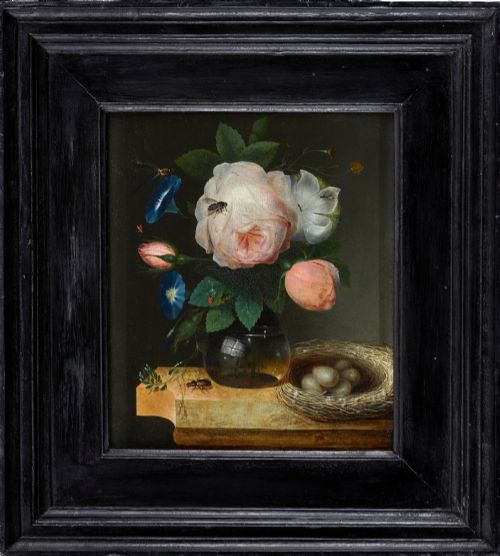
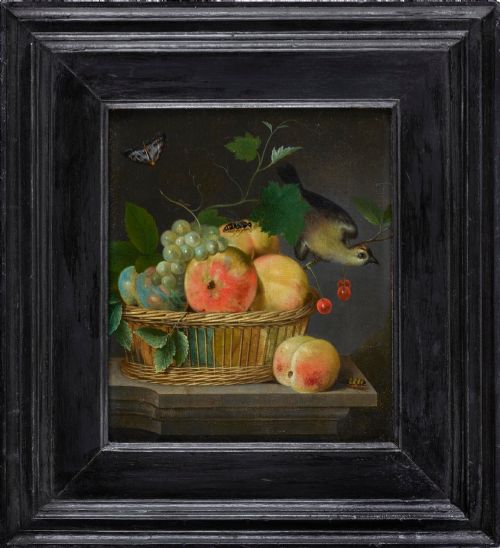
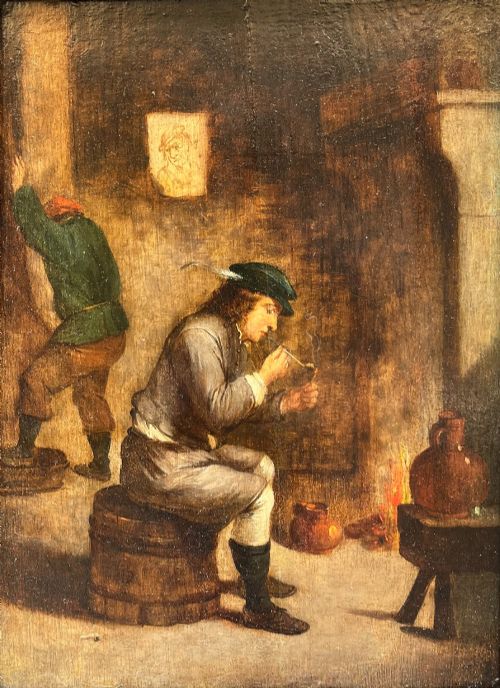
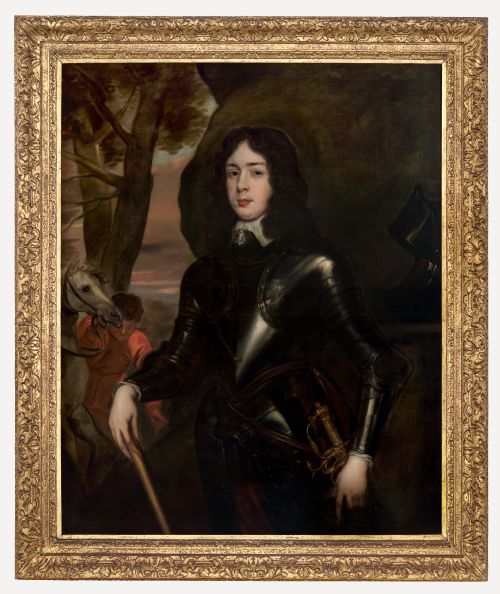
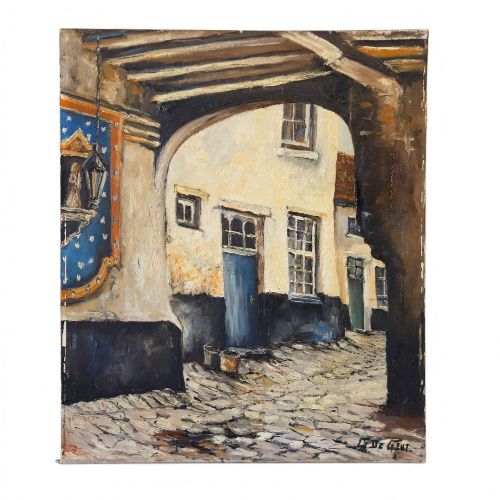
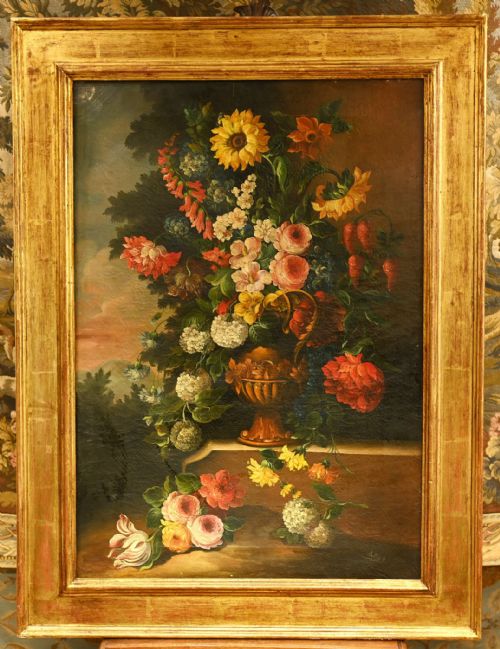
A flemish oil painting encompasses centuries of artistic tradition, ranging from dark seventeenth-century baroque portraits and bustling tavern scenes to vibrant nineteenth-century still lifes and mid-century impressions.
Buyers exploring this selection encounter works on canvas, wood panels, and copper, often reflecting the deep influence of the northern renaissance and the golden age.
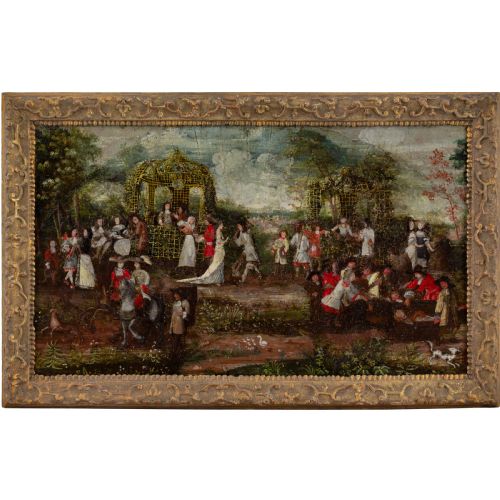
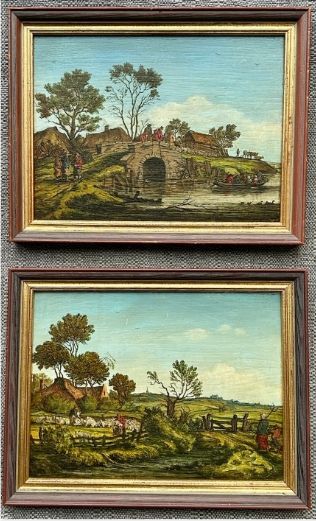
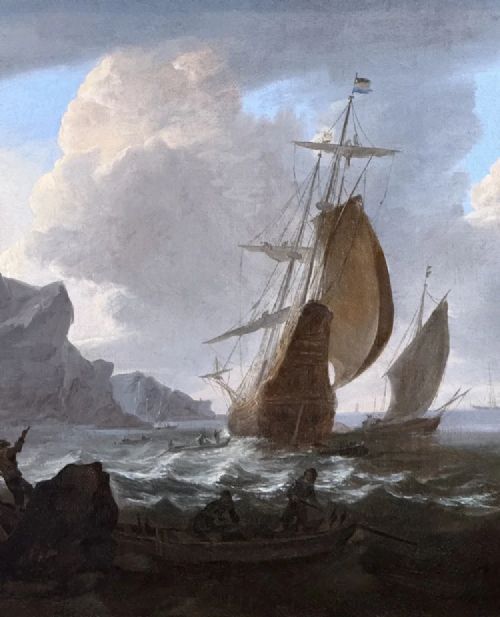
Subjects stretch from elaborate floral arrangements and maritime gales to stately portraits of noblemen and religious narratives, representing both named masters and provincial schools.
How they were made
Artists built these works using traditional oil paint applied in careful layers over prepared canvas, sturdy wood panels, or copper plates to achieve lasting depth and luminous colour.
Frames carved from giltwood or solid wood frequently complement the panels and canvases, preserving the structural integrity of the artwork across generations.
Several canvases secretly star mischievous dogs and cats caught in the act of stealing food from kitchen baskets.
What varies in quality
The distinction between ordinary workshop pieces and masterworks rests in the handling of light, shadow, and anatomical precision within the brushwork.
Compositional balance and the preservation of the original pigment layers separate compelling historical survivals from heavily restored or later follower pieces.
Bonaventura Peeters·Gaspar Peeter Verbruggen·David Teniers·Frans Snyders·Peter Paul Rubens
The Flemish Oil Painting Glossary
- Baroque
- A flamboyant European art style spanning the seventeenth and early eighteenth centuries, characterised by drama, tension, and rich colour. This period produced many of the dynamic portraits and theatrical scenes found in regional painting.
- Giltwood
- Wood carved and then covered with a thin layer of gold leaf or gold paint. It frequently borders antique oil paintings to create an ornate and decorative presentation.
- Genre painting
- The pictorial representation of scenes from everyday life, such as markets, domestic interiors, and tavern gatherings. These works offer a fascinating glimpse into historical social habits.
- Still life
- An artwork depicting mostly inanimate subject matter, typically commonplace objects which may be either natural or man-made. Traditional examples heavily feature botanical specimens, food, and vessels.
Flemish Oil Painting: Frequently Asked Questions
How do I identify a flemish oil painting?
Look closely at the handling of light and shadow, often reminiscent of baroque techniques, along with the characteristic subjects like dense floral still lifes or rustic interiors.
Examination of the canvas weave, wood panel grain, and framing style also helps establish the historical context of the piece.
What subjects are most common?
Portraits of officers, noblemen, and clergy appear frequently alongside detailed still lifes featuring fruit, flowers, and game.
Narrative scenes depicting rustic village fete gatherings, maritime gales, and biblical or mythological stories also feature strongly in this tradition.
Are these works painted on canvas?
While canvas is a primary support medium for many works, artists also utilised sturdy wood panels and copper plates depending on the period.
Each support material influences how the oil paint ages and retains its subtle pigment over the centuries.
How should I care for an antique painting?
Keep the artwork away from direct sunlight and maintain stable room humidity to protect both the wooden support and the delicate oil layers.
Avoid using liquid cleaners on the painted surface and consult a professional art conservator if cleaning becomes necessary.