





Antique Flemish Landscape
These antique flemish landscape pieces bring historical pastoral scenes, bustling village fetes and woven verdure panels directly into your interior.
Antique Flemish Landscape
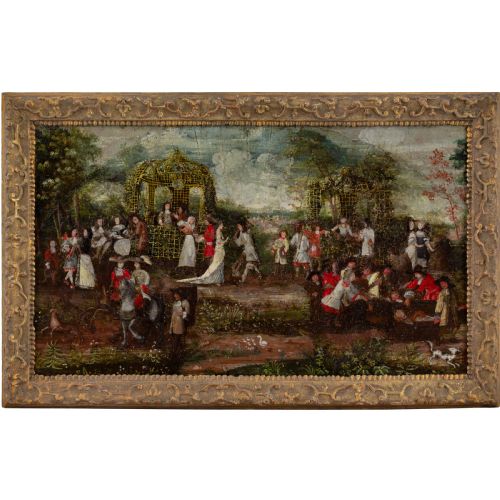
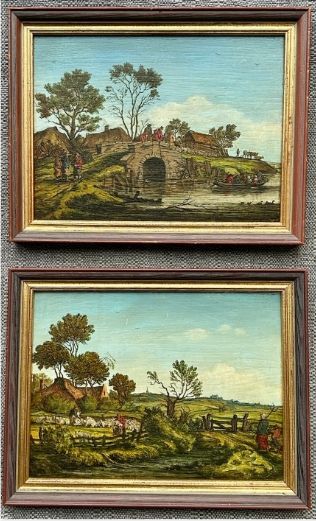
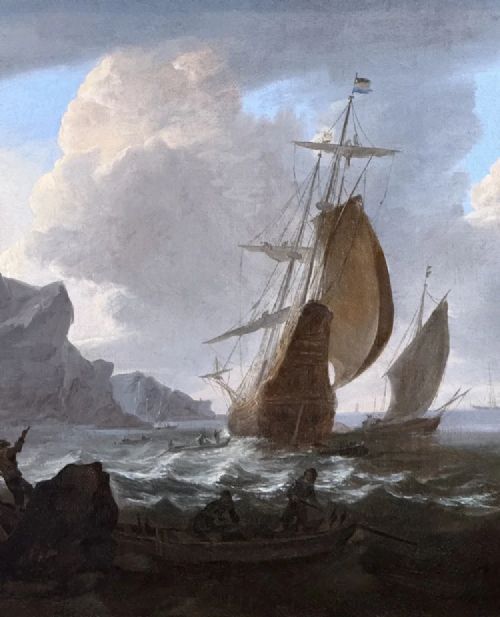
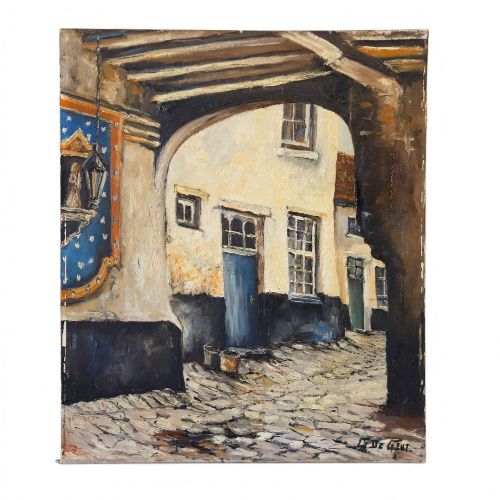
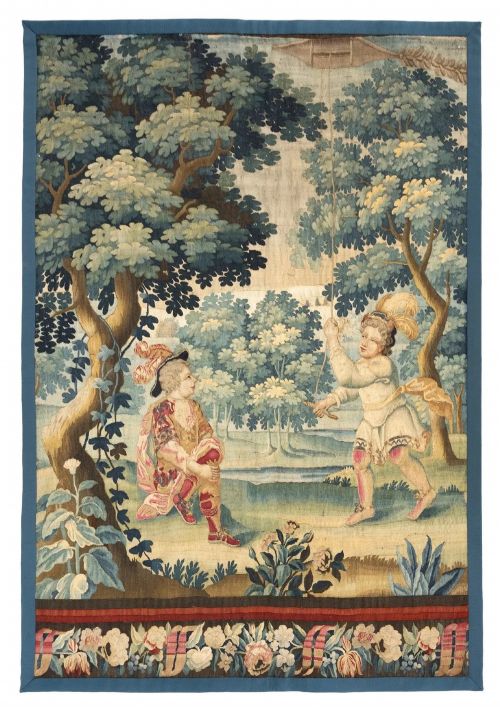
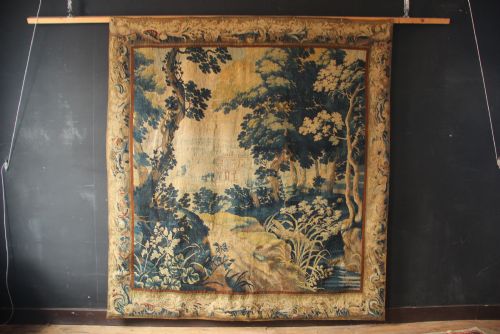
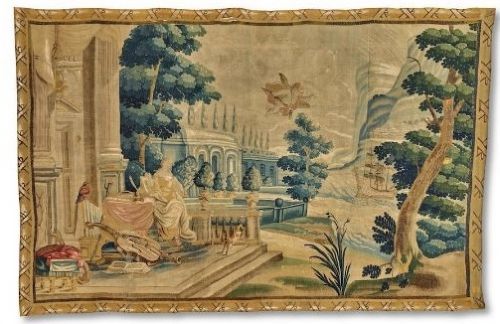
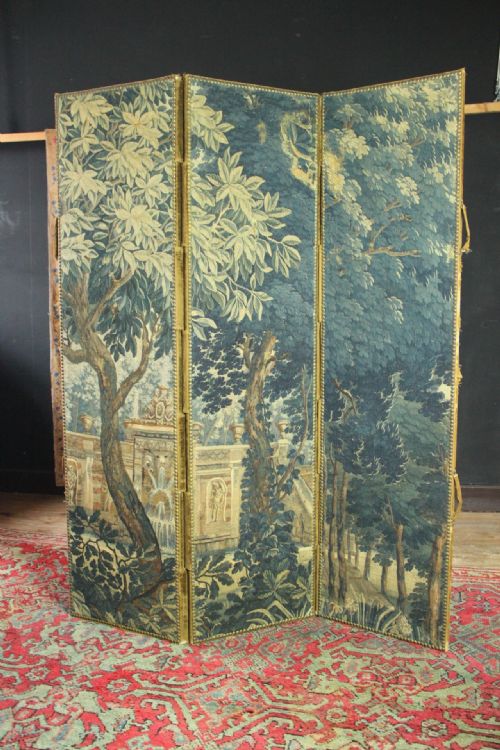
When you search for an antique flemish landscape, you encounter oil paintings on canvas and wood panels alongside large wall tapestries and folding screens. The works span from the seventeenth century through to the nineteenth century, capturing outdoor subjects ranging from mythological scenes and maritime views to winter skating scenes and lush garden settings.
The pieces on this page most commonly appear as seventeenth-century and eighteenth-century woven verdure tapestries or seventeenth-century oil paintings. Subjects frequently incorporate rural village life, sportsmen, trees and foliage rendered in the distinctive styles of the period.
Materials and Techniques
Painters utilised oil paint on canvas, wood panels and linen supports, often applying fine detail to depict figures, architecture and natural surroundings. Frames commonly incorporate giltwood.
Woven works employ wool and silk fibres to construct complex verdure wall tapestries and folding screens, requiring intricate loom techniques to achieve depth of foliage and terrain.
Several seventeenth-century tapestries quietly preserve centuries of microscopic wool dye secrets within their leafy verdure.
Assessing Quality
Quality rests in the precision of the brushwork and the preservation of the woven threads across the surface. Finer oil paintings exhibit clear definition in figures, skies and natural foliage, while tapestries maintain rich colouration in wool and silk materials despite age.
The sophistication of the composition and the integrity of the original support material distinguish the finer examples from simpler decorative works.
W Klombeck·L De Gent·David Teniers II·Marmaduke Cradock·Jacob Bogdani·Pieter Bout·Adriaen Frans Boudewyns·Louis Smets
The Antique Flemish Landscape Glossary
- Verdure Tapestry
- A woven wall hanging or screen dominated by plant and foliage motifs, often featuring trees, woodland and distant glimpses of architecture or wildlife.
- Oil on Canvas
- Pigment mixed with drying oil applied to a stretched cloth support, forming the primary medium for many historical paintings.
- Wood Panel
- A rigid wooden board utilised as a structural painting surface by artists, frequently seen in seventeenth- and nineteenth-century works.
- Flemish Baroque
- An artistic style characterised by dynamic movement, rich colour and exuberant detail originating in the seventeenth century.
- Giltwood
- Timber treated with a thin layer of gold leaf or gold paint, frequently used to finish decorative picture frames.
Antique Flemish Landscape: Frequently Asked Questions
What is a verdure tapestry?
A verdure tapestry is a woven textile piece featuring plant life, trees and woodland scenes as the primary subject matter. These large wall hangings and folding screens bring natural imagery into interiors.
They often include distant landscapes or small figures amidst dense foliage, produced using wool and silk threads.
How old are these landscapes?
The pieces listed span from the seventeenth century through to the nineteenth century. Many originate from the seventeen-hundreds and seventeen-seventies.
Dates are determined by historical style, material analysis and documented artist attribution where available.
Where were these tapestries made?
Many woven pieces originate from weaving centres such as Audenarde in Flanders. These workshops produced large-scale wall tapestries and screens for domestic decoration.
Regional weaving techniques and wool types help identify the geographical origin of each textile.
How do I care for an oil painting?
Oil paintings require stable indoor humidity and protection from direct sunlight to preserve the canvas and pigment. Keep the surface clean using a soft, dry brush.
Avoid using liquid cleaners or placing works near direct heat sources that might affect the wood panels or canvas tension.