



Flemish Oil Canvas Painting
A flemish oil canvas painting brings centuries of European tradition into a room through rich brushwork and deep tonal depth.
Flemish Oil Canvas Painting
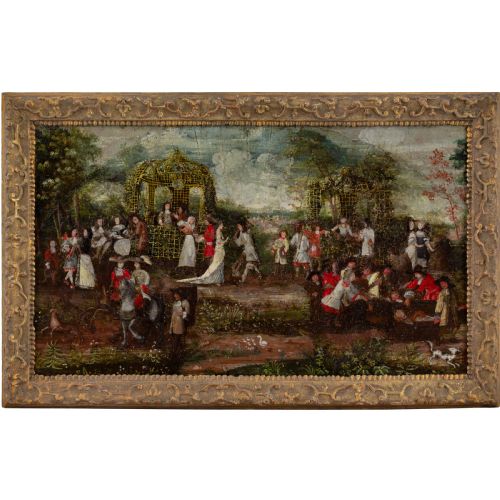
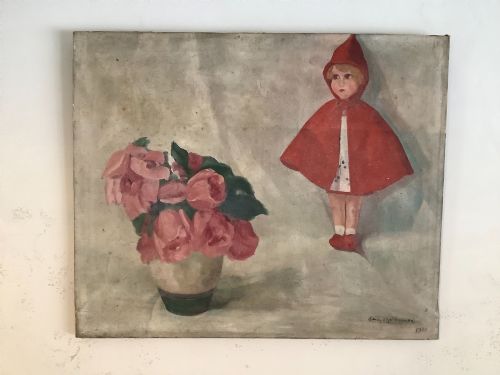
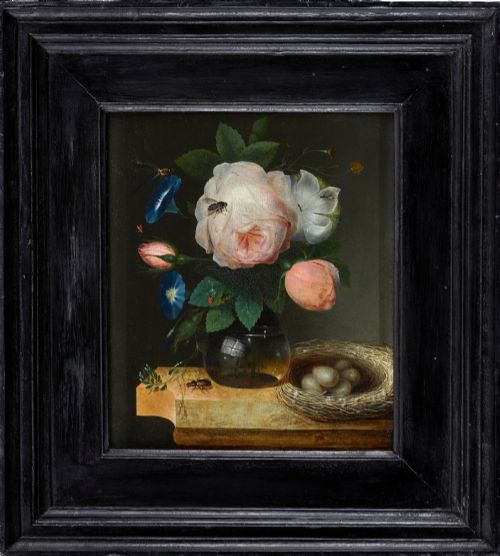
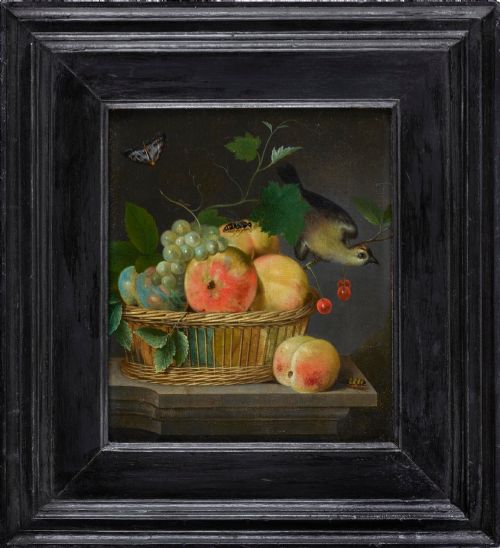
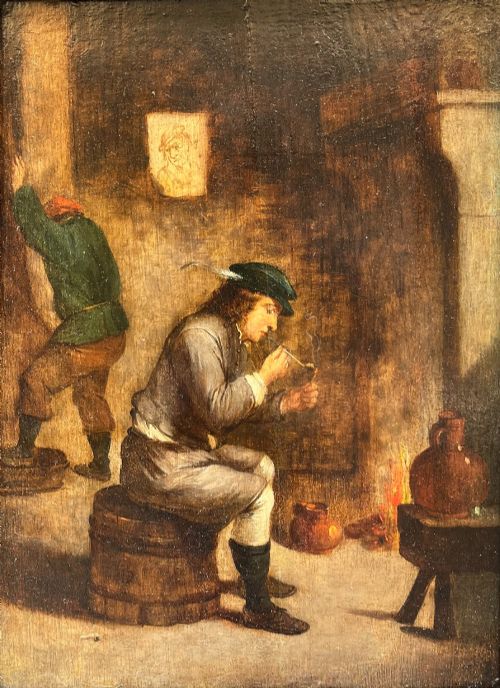
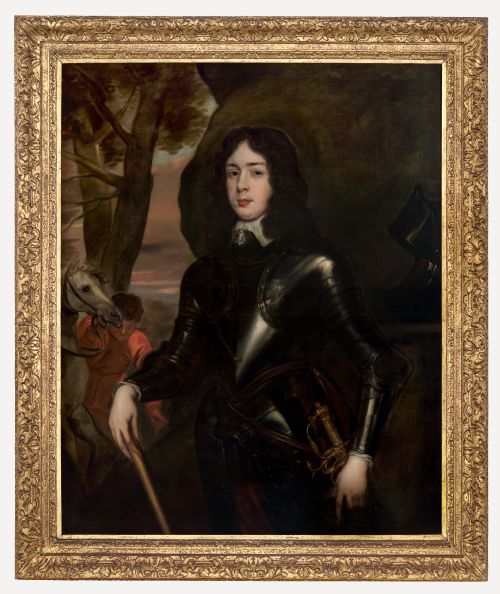
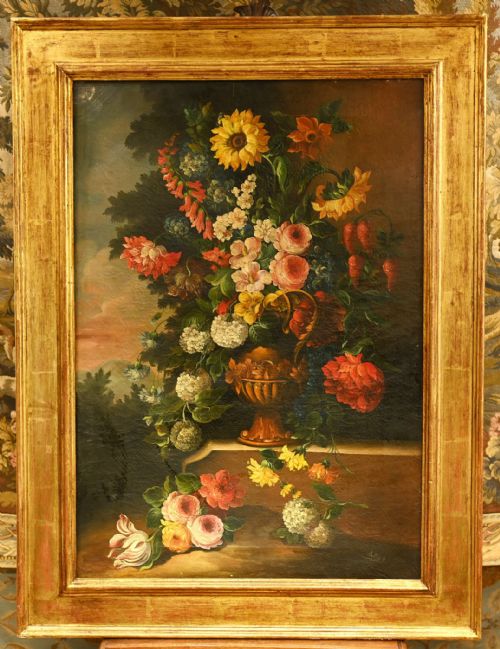
A flemish oil canvas painting encompasses centuries of historic artistry, ranging from seventeenth-century baroque portraits and bustling tavern scenes to later impressionist and naive interpretations. Buyers searching for a flemish oil canvas painting frequently encounter works depicting maritime gales, floral still lifes, and stately portraits rooted in the Flemish and Dutch schools.
The selection on this page stretches from the seventeenth century through to mid-century creations, capturing everything from grand aristocratic likenesses to quiet village landscapes. Many pieces bear attribution to specific historic circles or follow the distinct styles of master painters from Antwerp and Ghent.
Materials and technique
These works are executed primarily in oil paint applied directly to woven canvas supports, often stretched over traditional wooden frames. Pigments layered upon the canvas allow for the deep shadows and luminous highlights characteristic of the period.
Assessing quality
Quality in these works rests upon the precision of the brushwork and the expressive capability captured in the figures, faces, or natural elements. Finer examples display confident handling of light and shadow, particularly in complex compositions involving textiles, flesh, or dynamic movement.
The depth of historical provenance and the closeness of an association to a named studio or circle further elevate certain pieces above standard decorative works.
Bonaventura Peeters·Gaspar Peeter Verbruggen·David Teniers·Frans Snyders·Peter Paul Rubens
The Flemish Oil Canvas Painting Glossary
- Canvas
- A heavy woven fabric used as a surface for oil painting. It provides a flexible and durable ground for pigment application.
- Baroque
- An artistic style originating in the seventeenth century characterised by dramatic movement and deep chiaroscuro lighting. It defines many of the earlier works in this category.
- Still Life
- A painting genre focusing on inanimate objects such as fruit, flowers, or glassware. These compositions often highlight the artist's ability to render texture and reflection.
- Giltwood
- Wood that has been treated with a thin layer of gold leaf. It is commonly found on traditional frames enclosing antique paintings.
Flemish Oil Canvas Painting: Frequently Asked Questions
What subjects appear in these paintings?
The subjects range widely from formal aristocratic portraits and military officers to bustling village fetes and quiet tavern interiors. Floral still lifes and maritime scenes featuring ships in gales also form a substantial part of the selection.
Animals and mythological narratives occasionally emerge, reflecting the diverse interests of historic Flemish and Dutch workshops.
How do I date an older painting?
Dating relies heavily on costume details, the preparation of the canvas, and stylistic conventions associated with specific centuries or schools. Pigment analysis and framing styles additionally offer clues regarding the period of creation.
Many pieces carry attributions or references to seventeenth-century masters, guiding collectors in establishing a chronological framework.
How should I display one at home?
These works require placement away from direct sunlight and excessive humidity to protect the oil pigments and wooden stretchers. Pairing them with appropriate historic or complementary frames enhances their visual presence on the wall.
Stable indoor temperatures help preserve both the canvas support and the integrity of the paint layers over time.
What is the Flemish School?
The Flemish School refers to artists working in the historical region of Flanders who shared distinctive techniques and stylistic traditions. These painters excelled in realistic detail, rich colour palettes, and mastery of oil media.
Followers and studio associates often continued these traditions long after the initial seventeenth-century golden age.