





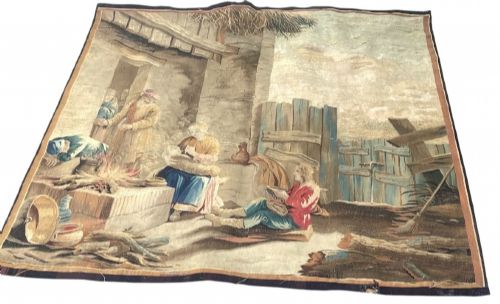

Flemish Baroque Wall Hanging
A flemish baroque wall hanging brings seventeenth-century textile art into a room with grand scale and rich verdure details.
Flemish Baroque Wall Hanging
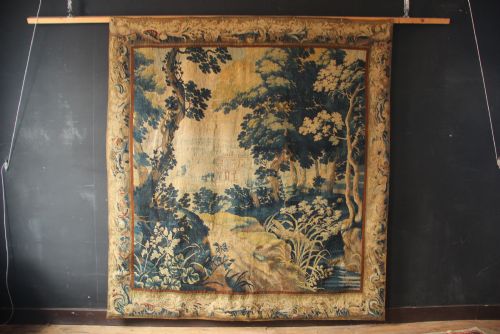
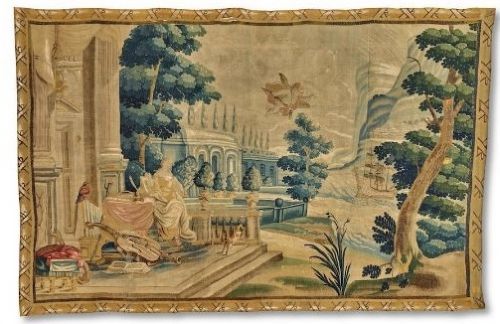
A flemish baroque wall hanging typically takes the form of a large tapestry, tapestry fragment, or carved oak panel from the seventeenth or early eighteenth century. These pieces record continental baroque and flemish baroque styles, often depicting mythological scenes, game parks, or verdure landscapes.
The buyer meets grand scale mythological pieces alongside narrow verdure panels and cushion covers woven in wool, silk, and linen. Oak cabinets and carved wood reliefs also appear among the textiles, reflecting the wider decorative repertoire of the period.
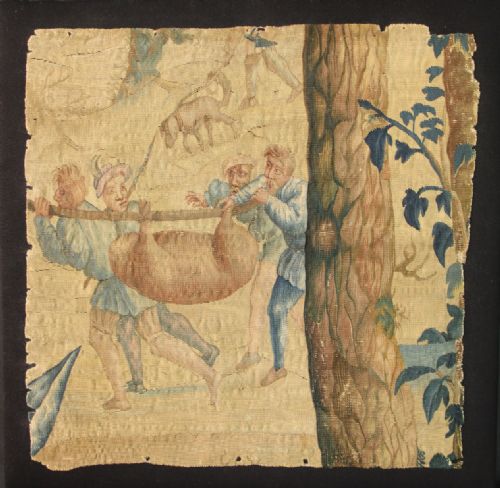
Many survivors represent fragments of larger works or specialised formats like long friezes designed to span architectural spaces. They offer a direct link to early workshops working in the flemish tradition.
Materials and Construction
Woven wall hangings rely on combinations of wool, silk, and linen, utilising dyed yarns to build complex pastoral and mythological narratives. The weaver builds texture through varied thread counts and interlacing techniques.
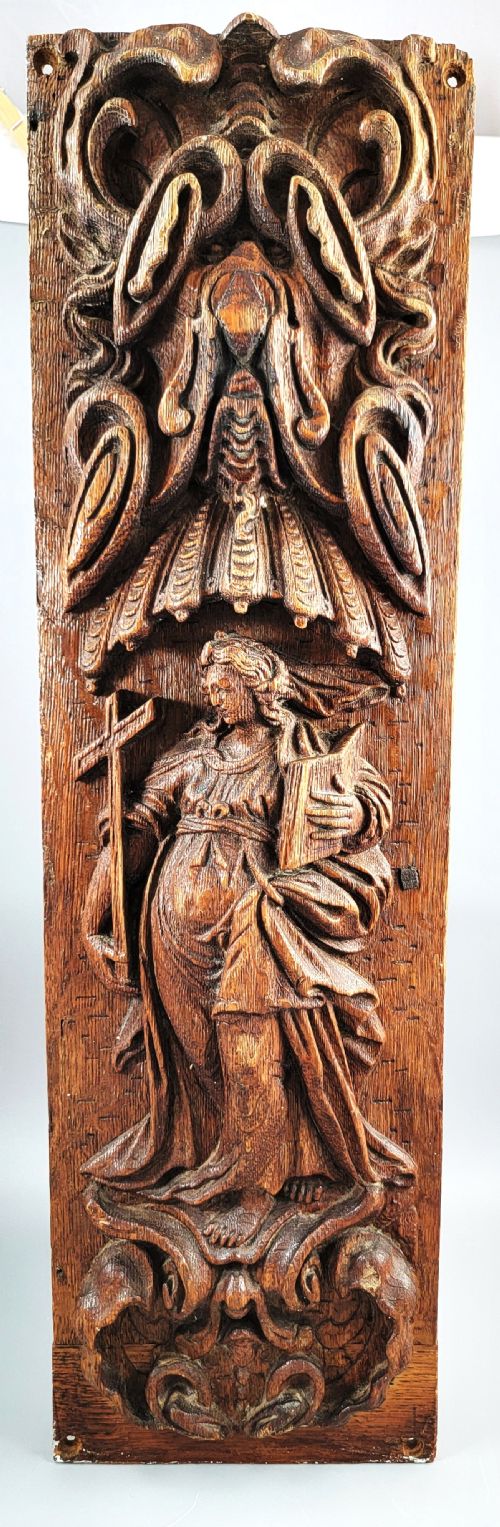
Carved wooden pieces employ oak and fruitwood inlay, shaping solid timber into relief panels or furniture elements like cabinets. These mediums demand precise joinery and deep chisel work to achieve continental baroque depth.
Game park scenes hide tiny stitched rabbits among the towering verdure leaves, waiting quietly for sharp-eyed seventeenth-century guests.
Distinctions in Quality
Quality rests on the density of the weave, the complexity of the narrative design, and the survival of original colour in wool and silk threads. Verdure tapestries with varied botanical detail and balanced proportions distinguish finer examples from simpler formats.
In carved works, depth of relief and crispness of detail in the oak panels separate master craftsmanship from standard regional production. The integrity of fragments also plays a role, where well-preserved borders and balanced composition maintain the visual weight of the original piece.
The Flemish Baroque Wall Hanging Glossary
- Verdure tapestry
- A wall hanging depicting lush plant life, foliage, and woodland scenes, frequently featuring birds or distant châteaux. These pieces focus on botanical greens and earthy tones.
- Tapestry fragment
- A surviving section of a larger woven wall hanging, often remounted or preserved for its central design. Fragments allow collectors to acquire period textile art in smaller formats.
- Continental baroque
- The dominant artistic style in seventeenth-century Europe characterised by drama, rich detail, and dynamic movement. It influences both the woven textiles and carved wood panels of the era.
- Oak panel
- A solid board of oak timber used for relief carving and architectural decoration. These panels often display allegorical or figurative subjects executed in high relief.
Flemish Baroque Wall Hanging: Frequently Asked Questions
How were these wall hangings originally displayed?
Historic interiors utilised large tapestries to line stone walls, providing insulation and visual splendour in reception rooms and halls.
Narrower panels and friezes fitted specific architectural spaces above doorways or between windows.
Can I hang a tapestry fragment safely?
Tapestry fragments require careful mounting, often stitched onto a supportive backing fabric to distribute the weight evenly.
Professional framing or specialised hanging systems protect the delicate wool and silk threads from undue tension.
How do carved oak panels relate to textile hangings?
Carved oak panels share the same seventeenth-century flemish baroque aesthetic and allegorical subject matter found in contemporary woven art.
Both mediums served to decorate wealthy interiors with elaborate narrative scenes.