







Flemish Baroque Panel
A flemish baroque panel brings rich seventeenth-century texture and deep wood-carving into a room, offering tactile history for collectors.
Flemish Baroque Panel
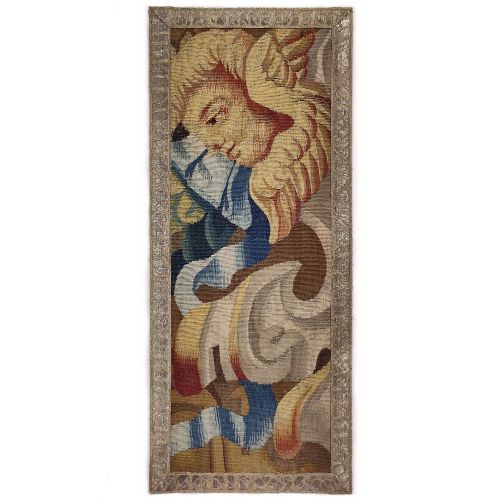
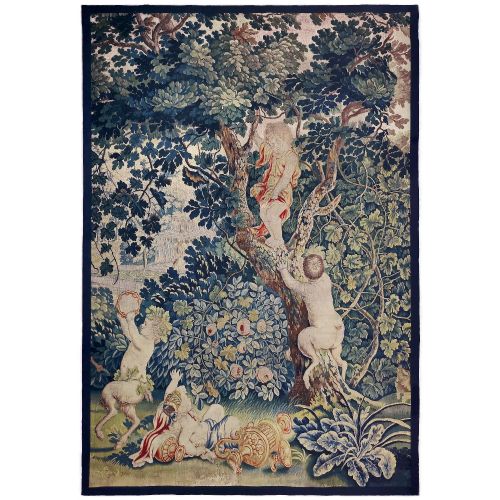
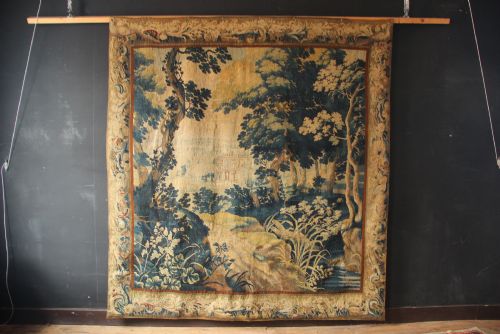
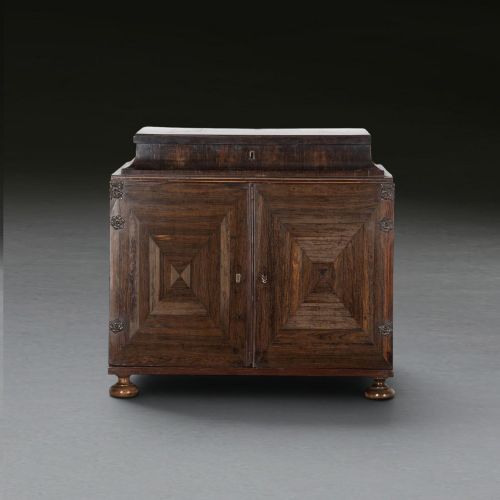
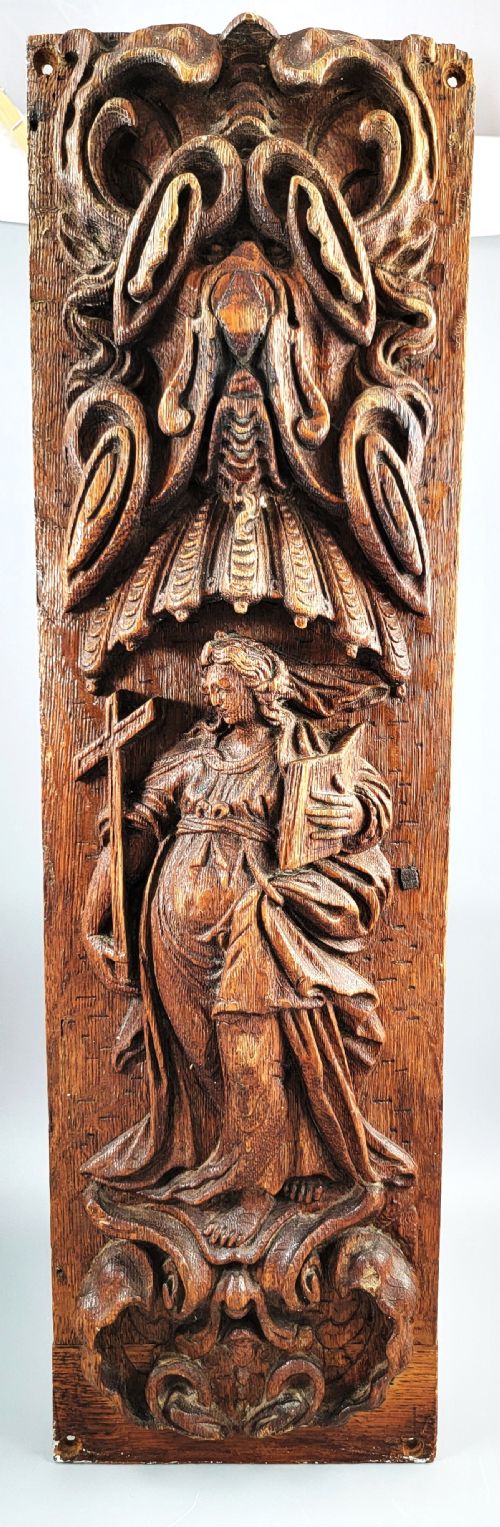
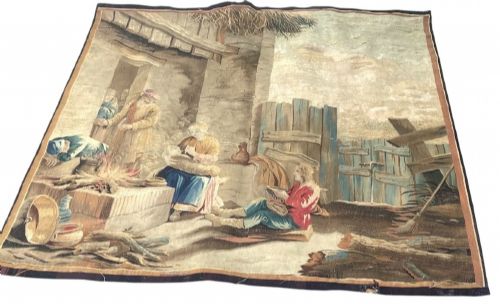
When you search for a flemish baroque panel, you are looking at substantial seventeenth-century and eighteenth-century oak carvings, woven wall tapestries, and textile fragments from the Low Countries. These works encompass wall reliefs depicting allegories, verdure tapestries, carved settles, and table cabinets.
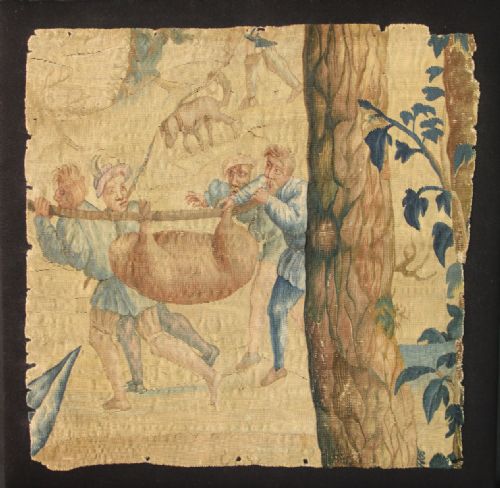
The pieces most frequently met on this page are carved oak panels and historic tapestry fragments, often dating from the seventeenth century and around seventeen hundred. They bridge architectural woodwork and textile art, reflecting the dramatic style of the period.
The material origins trace through oak, wool, silk, and rosewood, spanning wall hangings to furniture components like the carved oak settle and the table cabinet. Each object carries the heavy ornamentation characteristic of the baroque aesthetic.
How they were made
Carved oak panels rely on deep relief work, shaping solid timber to create figures and allegorical scenes with pronounced shadows and depth. Woodworkers utilised chisels and gouges to build complex architectural mouldings and figural representations directly into the grain.
Tapestries and textile fragments were woven using wool and silk on vertical or horizontal looms, building pictorial surfaces with dense thread counts. Artisans blended dyed yarns to achieve subtle tonal gradations in verdure landscapes and figural compositions.
Cabinets and settles incorporate structural joinery alongside surface carving, combining oak and rosewood with iron and brass hardware. These construction methods ensured that large panels and furniture pieces remained stable over centuries of use.
Flemish Baroque Panel Retail Price Guide 2026
Typical asking prices for flemish baroque panel among the pieces listed under this phrase on Sellingantiques today, from the lower quarter to the upper quarter. They describe what is for sale here now, not the wider market.
Listings feature seventeenth and eighteenth-century works, combining wool, silk, oak, and rosewood across panels, tapestries, and furniture.
What varies in quality
In woven pieces, the integrity of the wool and silk threads and the clarity of the verdure palette determine the overall preservation. Tapestry fragments retain more visual authority when the dye colours remain distinct and the weave is tight.
The structural coherence of wood panels and furniture relies on the stability of the timber and the retention of original joinery. Pieces that maintain their primary mounting and uncompromised wooden grounds hold greater historical consistency.
The Flemish Baroque Panel Glossary
- Verdure tapestry
- A woven wall hanging featuring lush plant forms, foliage, and landscapes. These textiles often incorporate muted greens and blues to depict natural woodland scenes.
- Tapestry fragment
- A surviving section of a larger woven wall hanging. Collectors value these pieces for their concentrated pictorial detail.
- High baroque
- An artistic style characterised by exuberant ornamentation and theatrical drama. This aesthetic dominated seventeenth-century European craft and architecture.
- Table cabinet
- A portable wooden chest designed to sit on a desk or table for storing valuables. These items frequently feature detailed exterior carving and internal small drawers.
- Kast
- A large, freestanding wooden wardrobe or cupboard originating in the Netherlands and Flanders. They are constructed from heavy timbers such as oak and rosewood.
Flemish Baroque Panel: Frequently Asked Questions
How do I clean a carved oak panel?
Dust the wooden surface gently with a soft, dry brush to remove settled particles without disturbing the grain. Avoid using liquid polishes or harsh cleaning agents that can penetrate and degrade historic wood finishes.
Keep the panel away from direct sunlight and damp conditions to prevent the timber from warping or splitting over time. Stable indoor humidity protects the structural integrity of the oak.
Where should I hang a tapestry fragment?
Mount the textile on a padded backing board using discreet conservation stitching to distribute the weight evenly across the weave. Hang the piece away from direct sunlight and strong artificial spotlights to prevent fading in the wool and silk fibres.
Ensure the wall space has good air circulation behind the textile to avoid moisture accumulation. Textile art benefits from stable temperatures away from heating vents.
How do I identify seventeenth-century oak?
Examine the timber for distinct medullary rays, which appear as small flecks or silver grain patterns across the oak surface. Hand-sawn marks and irregular board widths indicate historical hand-tooling methods.
Check for dry, hardened patination in the recessed areas of the carving that accumulates over long periods. Historic joinery relies on pegged tenons rather than modern metal screws.
What is an allegory of faith?
An allegory of faith is a symbolic representation depicting Christian devotion through specific attributes like chalices, crosses, or allegorical female figures. Artists used these motifs to communicate moral and spiritual lessons.
These carved panels were often integrated into domestic furniture or architectural wall panelling to display the owner's piety. The iconography draws from biblical texts and classical tradition.