








Flemish Baroque Carving
Flemish baroque carving brings tangible 17th-century craftsmanship into your rooms, offering heavy oak panels, caryatids, and oil paintings that anchor a traditional interior.
Flemish Baroque Carving
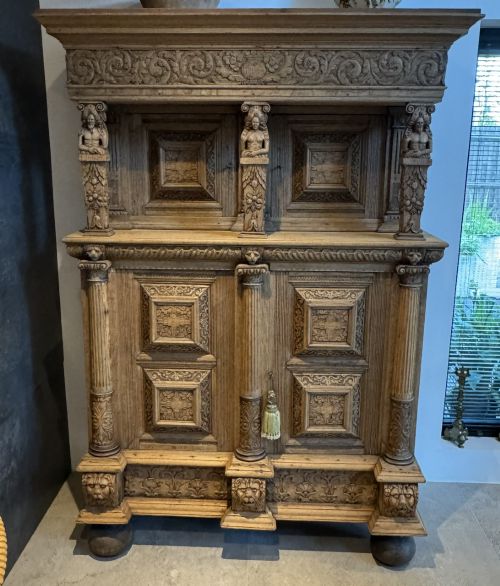
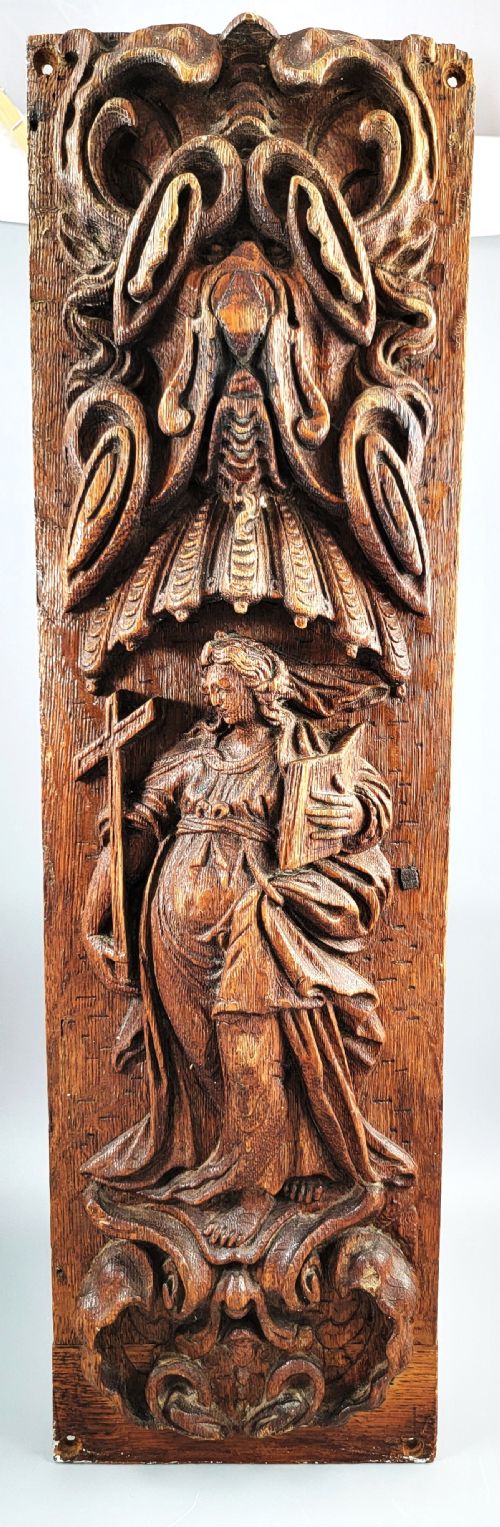
Flemish baroque carving encompasses 17th-century and 18th-century oak panels, cabinets, tables, and figural sculptures that display the dense, theatrical ornamentation typical of the period. Buyers seeking flemish baroque carving encounter architectural wood reliefs, settlement benches, and oil paintings created by Anglo-Flemish and continental workshops.
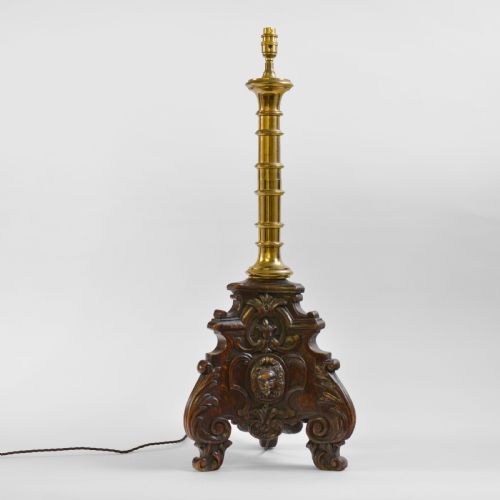
The objects available range from large oak cabinets and settles to smaller carved architectural elements, single caryatids, and table lamps fashioned from period fragments. Many pieces date directly to the 17th century, whilst others reflect later Victorian interpretations of the baroque style.
Portraits of figures in armour and allegorical panels form part of the selection, showing the crossover between fine art painting and sculptural woodwork in Flemish interiors. These works demonstrate the heavy continental influence present in domestic furnishings of the era.
Materials and construction
Oak serves as the primary material for the cabinets, panels, and caryatids, selected for its density and suitability for deep, dimensional relief work. Giltwood, brass, and parcel gilt appear alongside oil on canvas and linen to create rich contrasts in texture and colour.
Carvers utilised hand chisels and gouges to shape solid timber into scrolls, figures, and architectural details, often joining large cabinets with traditional pegged construction. Canvases are executed in oils, reflecting the painting techniques of followers of Anthony van Dyck and the circle of Jan Cossiers.
Flemish Baroque Carving Retail Price Guide 2026
Typical asking prices for flemish baroque carving among the pieces listed under this phrase on Sellingantiques today, from the lower quarter to the upper quarter. They describe what is for sale here now, not the wider market.
A solitary wooden lady with folded arms has stood watch over rooms since the reign of Charles I.
Markers of quality
Depth and crispness of the chisel work distinguish superior panels and figures from softer, flatter secondary pieces. The articulation of facial expressions and drapery folds in oak reveals the hand of a more accomplished carver.
Integrity of the timber and the preservation of original surfaces dictate the standing of furniture and architectural carvings. Pieces retaining their early patination and structural cohesion hold greater visual weight in a room.
Sir Anthony van Dyck·Jan Cossiers
The Flemish Baroque Carving Glossary
- Caryatid
- A carved female figure serving as an architectural support instead of a column. They often appear on the corners of cabinets and fireplaces.
- Baroque
- An ornate artistic style prevalent in the 17th century characterised by dynamic movement and dramatic contrast. It manifests in deeply carved oak foliage and theatrical portraiture.
- Kast
- A large, heavy Dutch or Flemish wardrobe or cupboard used for linen and valuables. These standing pieces feature substantial cornice mouldings and panelled doors.
- Panel
- A flat piece of wood, often oak, framed within stiles and rails and decorated with carved reliefs. Allegorical scenes frequently adorn these decorative elements.
- Parcel Gilt
- Partially gilded wood where gold leaf highlights specific carved details against a dark wood or painted ground. This technique adds luminance to baroque furniture.
Flemish Baroque Carving: Frequently Asked Questions
How do I clean carved oak?
Dust gently with a soft, dry brush to remove particles from deep recesses without disturbing the wood grain.
Avoid liquid cleaners and silicone polishes, applying a traditional beeswax sparingly only when the wood appears dry.
Where should I place a heavy cabinet?
Position large oak cabinets against structural walls on level flooring to support their considerable weight.
Keep them away from direct heat sources and strong sunlight to prevent the timber from splitting or warping.
How do I identify 17th-century oak?
Look for hand-sawn board marks, pegged joints, and deep oxidisation within the grain of the oak.
Genuine period pieces show consistent wear patterns and historic tool marks appropriate for manual workshop production.
What is an allegorical panel?
An allegorical panel depicts an abstract concept, such as faith or virtue, through human figures and symbolic objects.
Carvers used these narrative wood reliefs to impart moral lessons within domestic or ecclesiastical interiors.