








Flatweave Wool Pillows
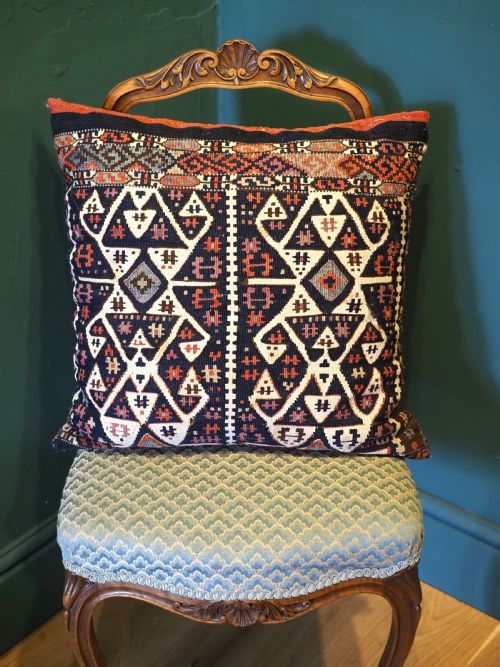
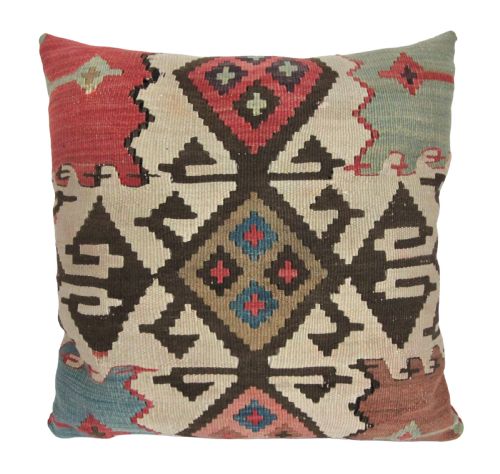
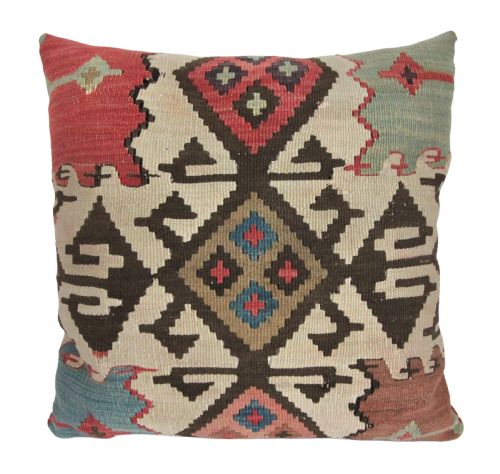
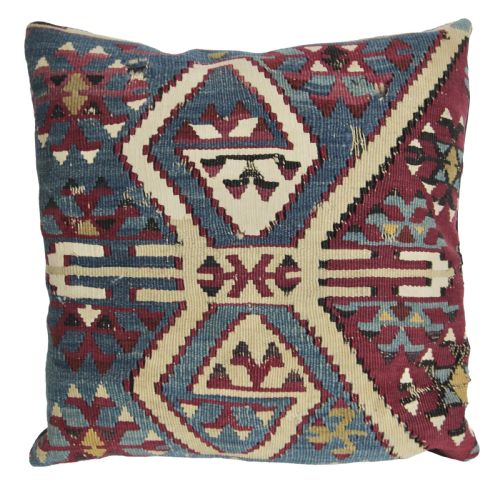
Flatweave wool pillows bring genuine nomadic character into a room, fashioned from antique tribal textiles and saddlebags.
Flatweave Wool Pillows
The pieces you meet on this page include antique kilim cushions, tribal bag face cushions, and carpet cushions dating from the mid nineteenth century through the early twentieth century. These items repurpose nomadic weaving into throw cushions and soft furnishings suitable for modern interiors.
How they were made
The primary materials recorded in these pieces are wool and cotton, worked by hand into flatweave structures without a pile. Artisans utilised natural dyes to colour the yarns, producing rich tones across Anatolian and Persian tribal designs.
Weavers constructed these textiles using traditional hand-woven techniques, creating durable bag faces, mafrash panels, and torba designs that later found new life as cushions.
Flatweave Wool Pillows Retail Price Guide 2026
Typical asking prices for flatweave wool pillows among the pieces listed under this phrase on Sellingantiques today, from the lower quarter to the upper quarter. They describe what is for sale here now, not the wider market.
Listings span a chronological range from eighteen-fifty to nineteen-twenty, utilising wool, cotton, and natural dyes across Anatolian and Persian tribal styles.
What varies in quality
Quality in flatweave wool pillows rests upon the integrity of the original textile, the fineness of the hand-weaving, and the depth of the natural dyes. Pieces fashioned from complete saddle bag faces or intact tribal bag fronts often display superior design complexity compared to simpler uniform panels.
The skill of the conservation work also separates standard examples from exceptional ones, particularly how securely the historic flatweave textile is joined to its backing materials. The vibrancy and stability of the natural dyes further distinguish the finer tribal textiles in this group.
The Flatweave Wool Pillows Glossary
- Kilim
- A flatweave textile produced by tightly interweaving warp and weft strands to create a smooth surface without pile. This technique forms the primary structure of most antique tribal cushions.
- Mafrash
- A long rectangular storage bag used by nomadic tribes, the panels of which frequently supply durable flatweave material for cushions. These pieces often feature banded or geometric designs.
- Torba
- A small storage bag traditionally hung inside a nomad tent, carrying distinctive tribal motifs. Surviving fragments of these bags are often repurposed into decorative pillows.
- Bag Face
- The visible front panel of a nomadic storage bag, typically displaying the most intricate and desirable tribal patterns. Cushions made from these sections preserve the artisan's primary composition.
- Natural Dyes
- Colourants derived from plants, insects, and minerals rather than synthetic compounds. They yield subtle tonal variations that mature gracefully over decades.
Flatweave Wool Pillows: Frequently Asked Questions
Are these pillows made from original antique textiles?
Yes, the listings utilise authentic historic flatweaves, including nineteenth-century kilims and tribal saddlebags.
These vintage textiles are carefully adapted into cushion forms while retaining their original hand-woven character and natural dyes.
How do I care for a wool flatweave cushion?
Wool flatweaves require gentle treatment due to their age and the nature of natural dyes.
Professional dry cleaning is recommended to preserve the integrity of the antique fibres and prevent shrinkage or colour transfer.
What is the difference between an Anatolian and a Persian tribal cushion?
Anatolian examples typically originate from traditional weaving centres in Turkey and display distinct regional geometric motifs.
Persian and Caucasian pieces, such as those from Yomut Turkmen or Shahsavan weavers, often incorporate specific tribal palette choices and symbolic border patterns.
How do I date an antique kilim pillow?
Dating relies on assessing the characteristics of the wool, the chemistry of the natural dyes, and the specific tribal weaving structure.
Pieces in this collection span from the eighteen-fifties to the nineteen-twenties, reflecting the working periods of nomadic and village workshops.