






Flashing Red Glass
Flashing red glass brings together vibrant ruby hues and clear crystal, offering rich colour and brilliant contrast for any room.
Flashing Red Glass
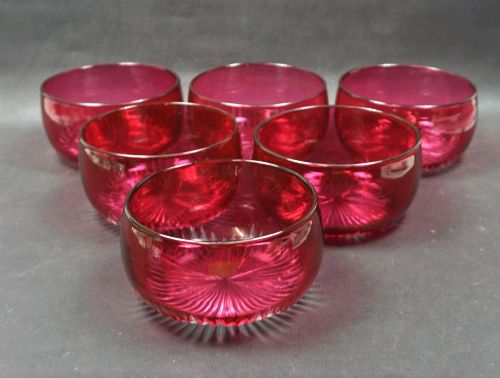
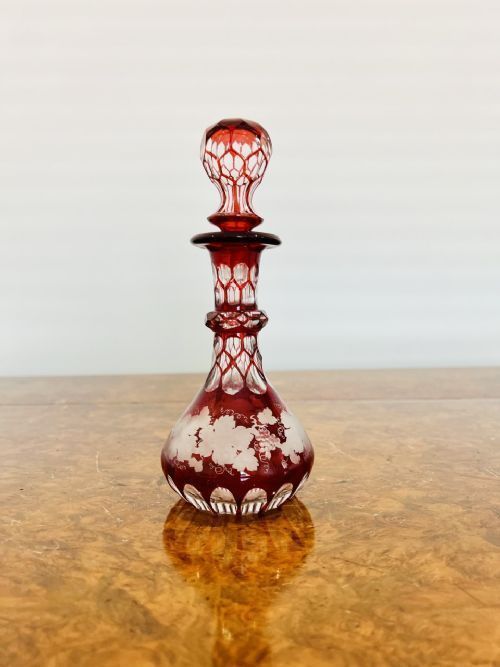
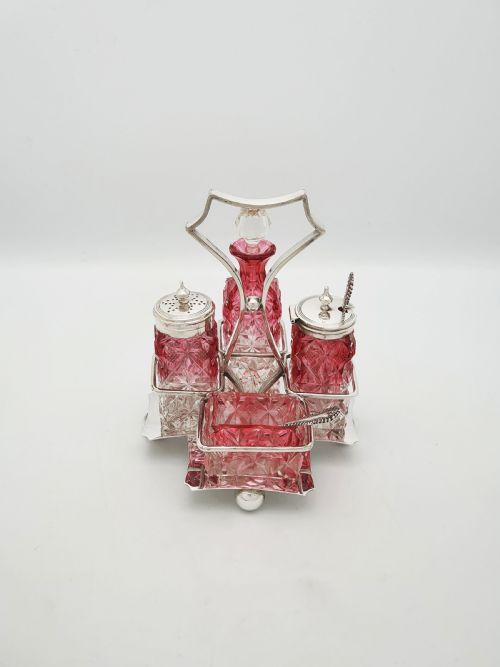
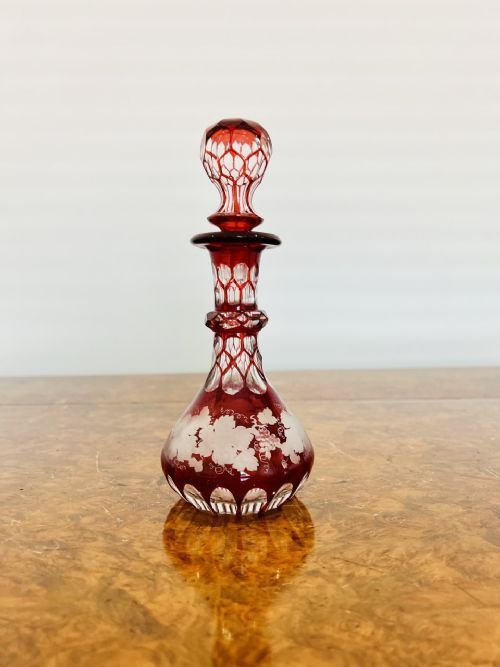
The objects take many forms, ranging from decanters, beakers, and scent bottles to cruet sets and chandelier components. Bohemian and Victorian makers dominate the available range, often applying deep cuts and etching to reveal the clear glass underneath. These pieces bring intense colour and historical craftsmanship to domestic settings.
How they were made
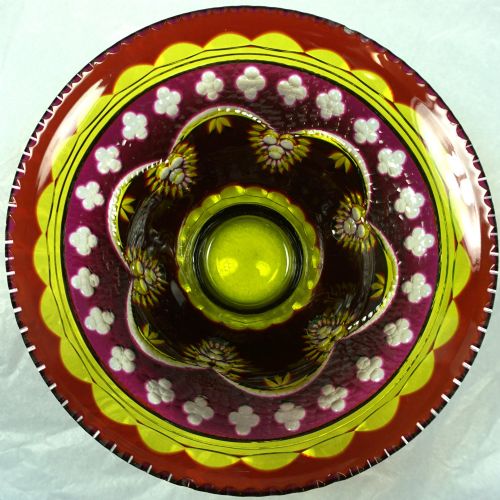
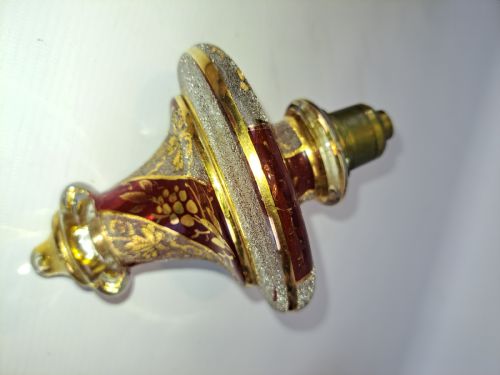
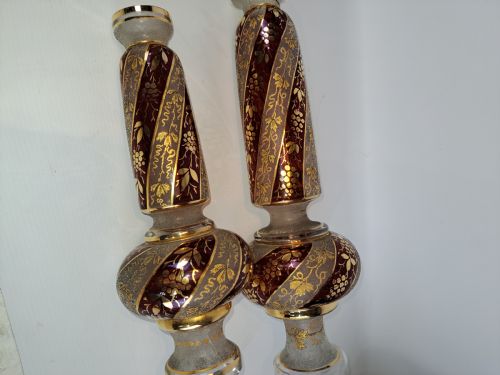
These items rely on a technique where a gather of clear glass is dipped into molten red glass before being blown or pressed into shape. This flash of colour permits craftsmen to cut, etch, or engrave through the thin ruby layer to expose the clear glass beneath. Gilding and enamel details frequently supplement the cut designs, adding metallic lustre and intricate patterns to the surface.
Makers utilised lead crystal and standard glass as the base material, sometimes combining it with silver plate, brass, and gold leaf. The interaction between the red coating and the clear substrate allows for sophisticated shading effects when light passes through the vessel. Engraved motifs of birds, vines, and fruit standardly appear across these surfaces.
Flashing Red Glass Retail Price Guide 2026
Typical asking prices for flashing red glass among the pieces listed under this phrase on Sellingantiques today, from the lower quarter to the upper quarter. They describe what is for sale here now, not the wider market.
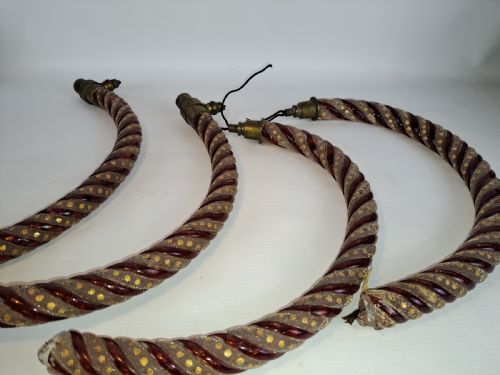
Ganging bells were designed to ring out harmoniously when chimed together in grand Bohemian drawing rooms.
What varies in quality
Quality in these objects rests upon the precision of the cutting and the depth of the engraving through the red layer. Superior examples display crisp, clean edges where the ruby glass meets the clear crystal, revealing sharp details without chipping. The brilliance of the underlying lead crystal and the finesse of any applied gilding also dictate the tier of the piece.
The weight of the glass and the proportion of the form indicate workshop standards. Finely executed etching, such as naturalistic vines or birds, requires expert handwork that elevates an item above standard production ware. Condition of the fragile red flash layer and any supplementary metal mounts completes the assessment of the object.
Val ST Lambert
The Flashing Red Glass Glossary
- Flashing
- A manufacturing technique where a thin layer of coloured glass is applied over a body of clear glass. This method allows artisans to cut through the outer layer to expose the contrasting colour underneath.
- Overlay
- A process involving a heavier layer of coloured glass cased over clear glass, permitting deeper carving and facet cutting than standard flashing. It creates strong depth in decorative vessels.
- Cranberry glass
- A transparent pink-red glass coloured by the addition of gold chloride to the batch. It appears frequently in Victorian tableware and decorative items.
- Lead crystal
- Glass containing lead oxide, which increases weight, clarity, and the refractive index. This material provides the brilliant sparkle seen in finer decanters and cut bowls.
Flashing Red Glass: Frequently Asked Questions
What is flashing red glass?
Flashing red glass is a composite material created by fusing a thin layer of ruby or cranberry coloured glass onto a base of clear or frosted glass. Artisans then cut, engrave, or etch through the red layer to reveal the clear crystal underneath.
This technique produces high-contrast patterns and decorative motifs that catch the light. The pieces span several periods, including Victorian, Edwardian, and Bohemian eras.
Were these pieces used daily?
Many items, such as decanters, tumblers, and cruet sets, served practical functions on dining tables and dressing rooms during the nineteenth and early twentieth centuries. Other objects like chandelier components and decorative bowls were strictly ornamental.
Today, they function well as decorative accents or usable tableware with careful handling. Their vibrant colour makes them focal points in traditional and eclectic interiors.
How do I date these pieces?
Dating relies on stylistic clues, manufacturing techniques, and forms associated with specific eras like the Victorian or Edwardian periods. Engraved motifs and the presence of makers' marks or specific cutting styles help narrow the timeframe.
Comparing the weight, type of glass, and mounting materials provides further context for the age of an object. Eighteenth and nineteenth-century Bohemian works often show distinct heavy cutting and rich gilding.