


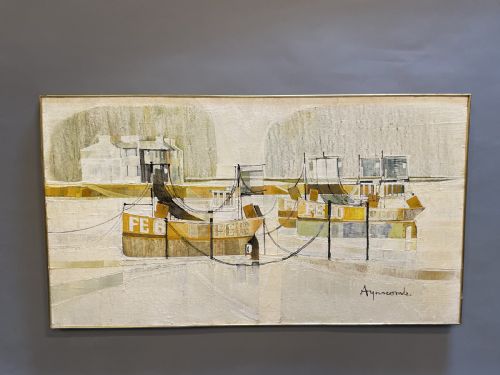


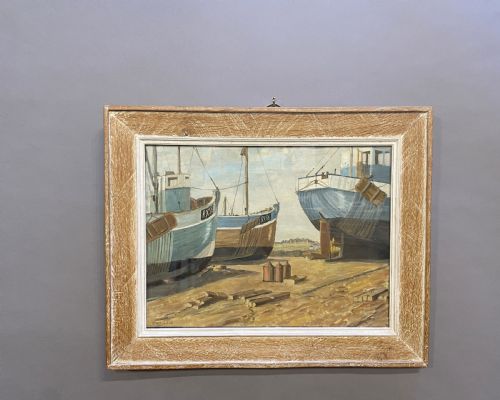

Fishing Boat Wall Art
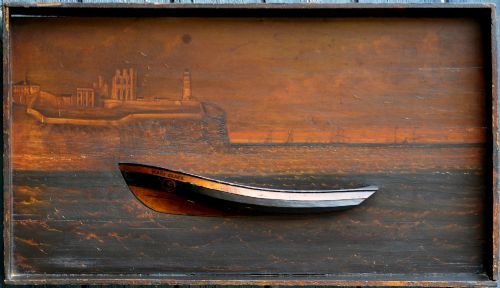
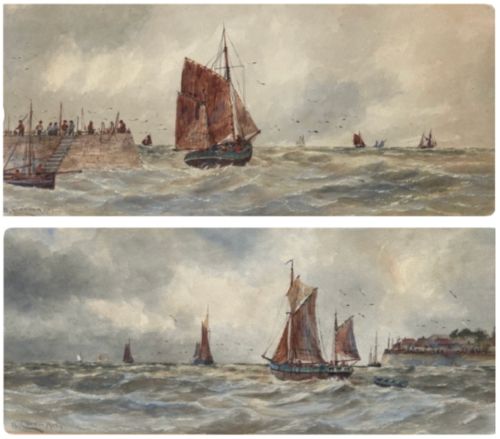
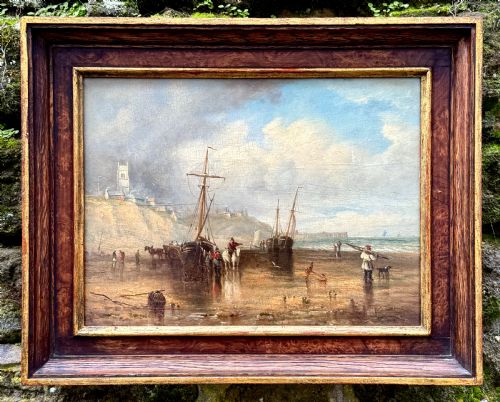
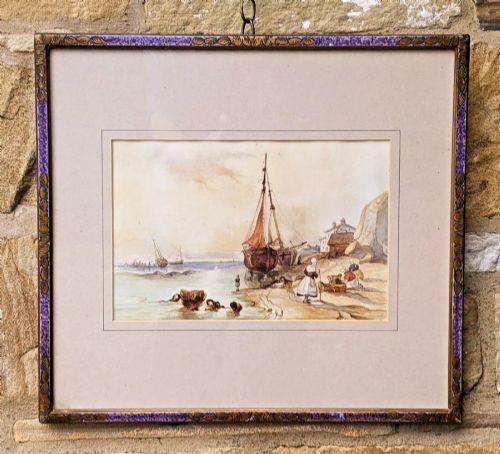
Fishing boat wall art brings maritime history into rooms through original watercolours, oils, and pastels depicting coastal scenes.
Fishing Boat Wall Art
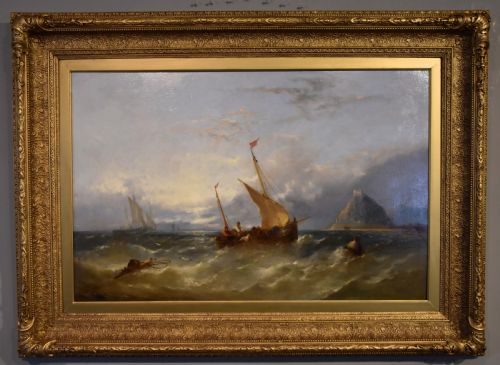
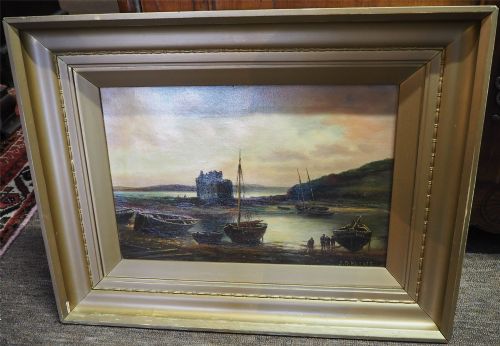
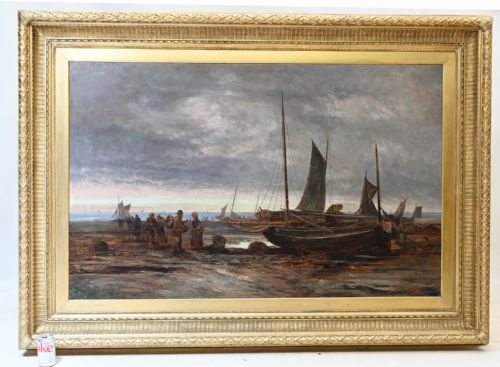
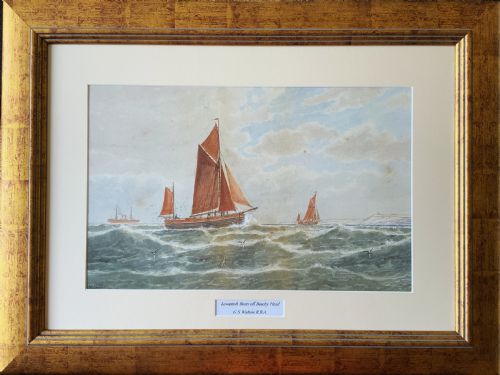
Fishing boat wall art comprises original paintings and works on paper centred on maritime scenes, harbours, and coastal vessels. The selection draws primarily from nineteenth-century Victorian pieces and early twentieth-century British and Dutch school works.
Buyers encounter oil paintings on canvas and board alongside watercolour paintings and pastel drawings. Subjects range from calm harbours in Cornwall and Norfolk to dramatic seascapes with vessels navigating rough waters.
How They Were Made
Artists utilised oil paint on canvas or wooden board to build textured, layered maritime scenes with rich pigment depth. Watercolours applied to paper capture the translucency of coastal light and sea spray.
Many works retain their original period frames constructed from moulded and gilded wood. Support materials include paper, card, and stretched canvas prepared with traditional priming.
Listings feature works from the nineteenth and twentieth centuries, spanning Victorian maritime art, British Impressionism, and mid-century modern Cornish school paintings.
What Varies in Quality
Quality rests in the artist's handling of atmospheric light, water movement, and structural detail within the rigging and hulls. Stronger works display confident brushwork and accurate perspective rather than stiff, formulaic composition.
The survival of the original surface, stability of the canvas or paper, and the integration of period framing influence the overall integrity of the piece.
James Orrock·George Stanfield Walters·Charles Napier Hemy·William Lee Hankey·Gustave De Bréanski·Pieter Cornelis Dommersen·George Gregory·Ernest F Hill·Paul H Ellis·Henri Ottman
The Fishing Boat Wall Art Glossary
- Seascape
- A work of art depicting the sea, coastal views, or marine vessels in various weather conditions. These compositions focus heavily on the interaction between water, sky, and light.
- Oil on Canvas
- A painting technique using pigments bound in a drying oil applied to stretched woven fabric. This medium allows for thick impasto application and deep colour saturation.
- Watercolour
- A painting method where coloured pigments are suspended in a water-based solution on paper. It relies on the white of the paper to show through translucent washes.
- Impressionism
- A style of painting emphasising loose brushstrokes and the shifting effects of light rather than precise detail. Artists working in this manner aim to capture a fleeting visual impression.
- Provenance
- The documented history of ownership of a work of art. Clear provenance helps verify the authenticity and attribution of historical paintings.
Fishing Boat Wall Art: Frequently Asked Questions
How do I date a fishing boat painting?
Dating relies on stylistic clues, framing techniques, and the vessel types depicted in the artwork. Nineteenth-century works often feature traditional sailing trawlers, while mid-century pieces show early motorisation.
Signatures, artist registry dates, and exhibition labels on the reverse provide further chronological context for the piece.
Where should I hang maritime art?
Maritime paintings suit spaces with steady ambient light away from direct sunlight, which can fade watercolours and oils over time. Hallways, studies, and living rooms with neutral wall colours allow the coastal tones to stand out.
Ensure the room maintains stable humidity levels to protect nineteenth-century canvases and paper supports from warping.
What is the difference between oil and watercolour marine art?
Oil paintings utilise heavy pigments on canvas or board, offering robust textures and deep, saturated tones suited to stormy seas. Watercolours use pigment washes on paper to capture bright, luminous coastal light and subtle atmospheric haze.
Oils generally require sturdy wooden frames, whereas watercolours need glass protection and acid-free mounts.
How do I care for antique marine watercolours?
Antique watercolours require placement away from direct sunlight and high-humidity areas to prevent fading and paper degradation. Acid-free backing materials during framing protect the paper from yellowing over the decades.
Professional conservation cleaning should only be undertaken if discolouration or foxing appears on the paper.