


Fireplace Shovel and Poker
A fireplace shovel and poker form the core of any hearth setup, bringing functional utility and period character to the chimney breast.
Fireplace Shovel and Poker
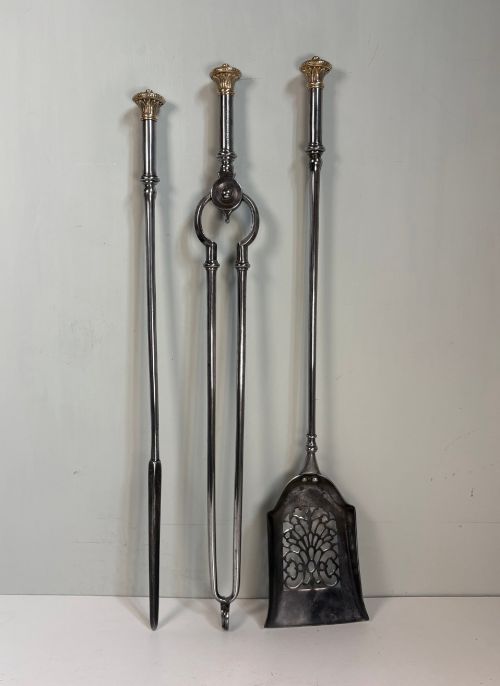
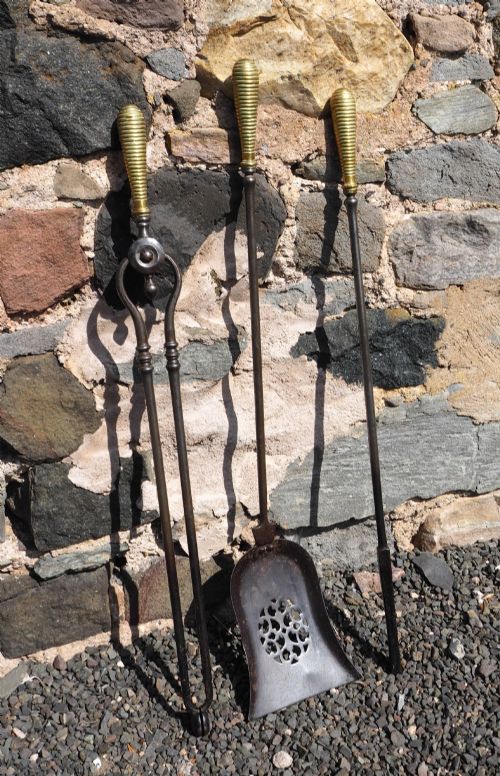
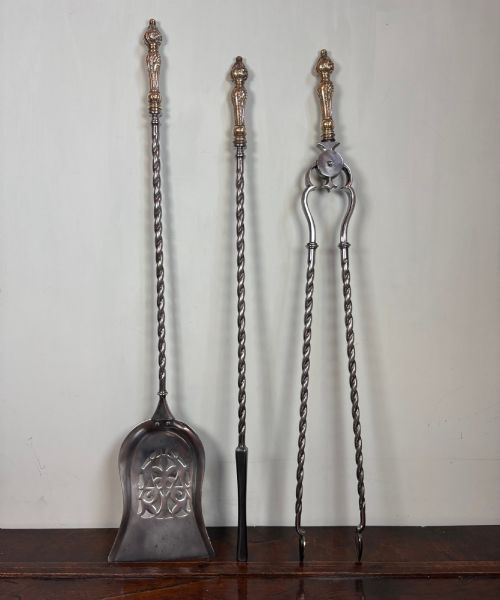
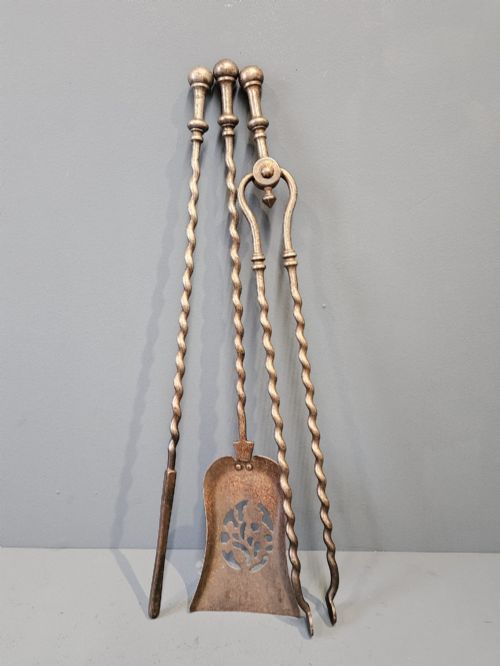
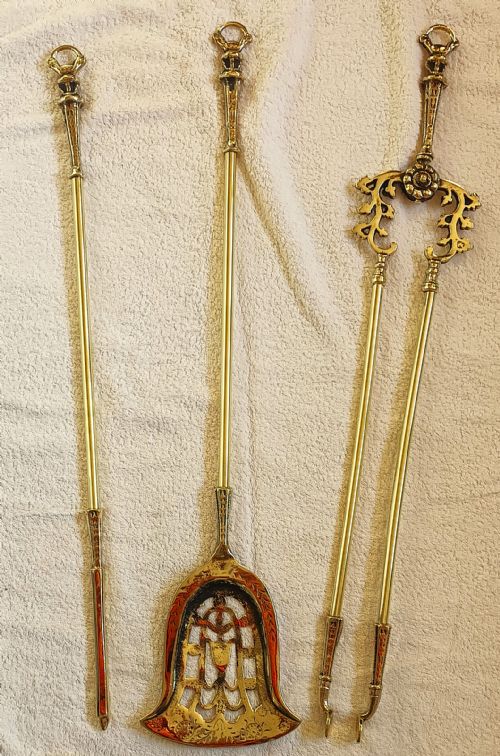
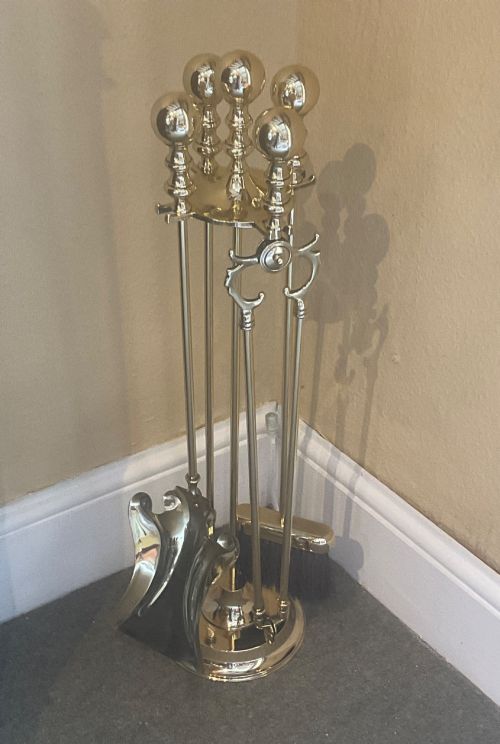
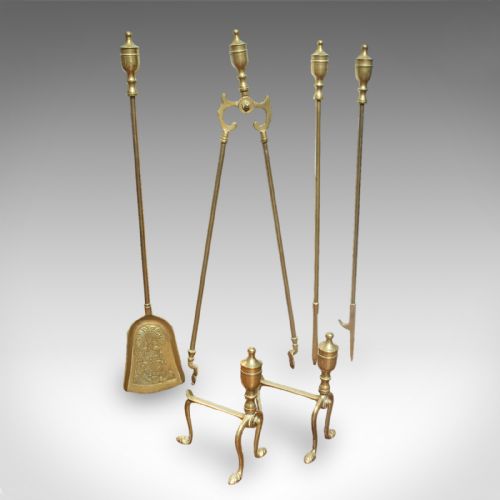
A fireplace shovel and poker are essential hearth implements used historically for tending coal and wood fires, clearing ash, and managing embers. You are looking at sets originating from the Georgian, Victorian, and Edwardian eras, spanning the eighteenth, nineteenth, and early twentieth centuries. The versions you are most likely to meet on this page are brass or steel fire iron sets, often supplied as part of larger companion suites.
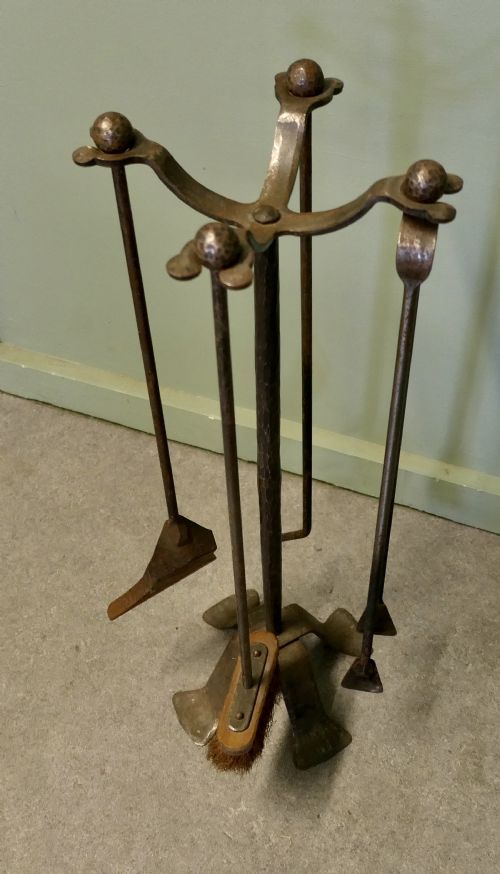
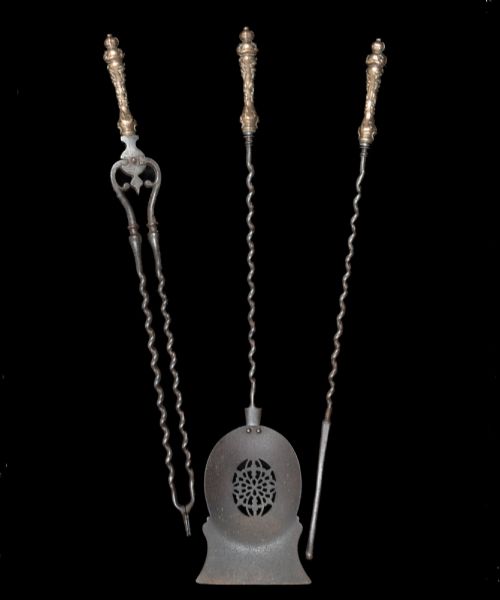
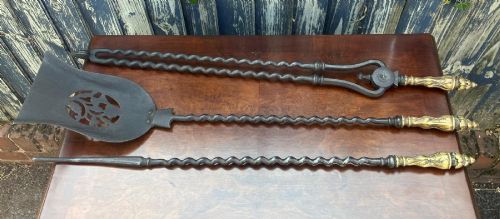
Many examples arrive grouped as a triad of fire irons containing a shovel, poker, and tongs, occasionally accompanied by fire dogs or a dedicated stand. These pieces emerge in styles ranging from classic Regency and Rococo to the distinctive forms of the Arts and Crafts movement. English country house and French country origins appear frequently among the listings, reflecting varied domestic environments from grand manors to modest hearths.
Materials and construction
Makers utilised durable metals such as brass, iron, steel, polished steel, wrought iron, and gunmetal to withstand intense hearth temperatures. Brass components frequently display polished finishes or gilt details, whilst steel and iron provide the necessary structural strength for heavy daily work.
Handles often incorporate decorative elements like rope twists, and certain pieces combine steel blades with brass shafts or grips to balance utility with visual warmth.
A sturdy nineteenth-century poker retains the honourable battle scars of countless coal fires banked down for the night.
Evaluating quality and finish
The distinction between ordinary utility items and superior hearth accessories rests upon the weight of the metal, the crispness of casting or forging, and the integrity of the joins. High-grade sets exhibit substantial heft in the hand, balanced proportions, and careful finishing to handles and terminals.
A superior piece shows refined surface treatment, such as finely polished steel or cleanly detailed brass mounts, whereas lesser examples display crude joins, lightweight tubing, or worn, simplified decoration.
The Fireplace Shovel and Poker Glossary
- Companion set
- A collection of fireplace tools, typically comprising a shovel, poker, and tongs, designed to be stored together near the hearth. These suites ensure all necessary maintenance tools remain ready for use.
- Fire dogs
- Metal supports placed on either side of a hearth to hold logs above the hearth floor. They often match the accompanying fire irons in material and style.
- Polished steel
- Iron alloy treated to achieve a bright, reflective surface finish. This material offers high tensile strength alongside a formal, gleaming appearance.
- Rope twist
- A decorative spiral pattern carved or cast into the handle of a fire tool. This technique provides both visual texture and a secure grip.
- Gilt brass
- Brass treated with a thin layer of gold or gold-coloured finish to enhance brilliance. It adds a decorative sheen suited to formal drawing-room hearths.
Fireplace Shovel and Poker: Frequently Asked Questions
What tools come in a set?
Standard sets typically include a shovel for clearing ash, a poker for adjusting fuel, and matching tongs for handling logs or coal.
Additional pieces such as fire dogs or stands sometimes accompany the core tools in larger companion suites.
How do I date these items?
Dating relies on stylistic markers such as Regency lines, Victorian brass casting techniques, or Arts and Crafts simplicity.
Material choices like gunmetal or polished steel also point toward specific manufacturing decades within the nineteenth and twentieth centuries.
Were these used daily?
Most surviving tools saw active service in domestic fireplaces across English country houses and urban drawing rooms.
Heavier iron and steel variants often handled rugged coal fires, whilst polished brass sets served more formal reception rooms.
How do I display them?
Hearth tools look best arranged beside the chimney breast, either suspended from a fender or displayed in a companion stand.
Matching the metal finish of the tools to other fireside accessories creates a cohesive room scheme.