

Fireplace Overmantle
A fireplace overmantle sits directly above the hearth, designed to anchor a room with architectural scale and reflecting light.
Fireplace Overmantle
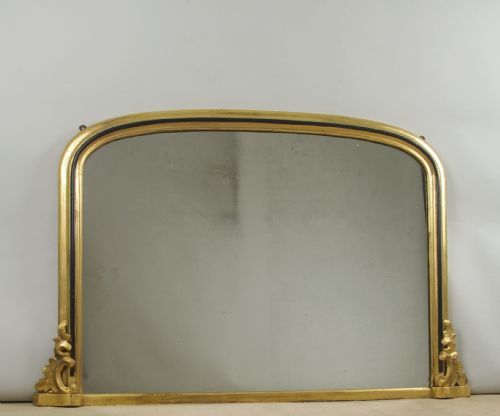
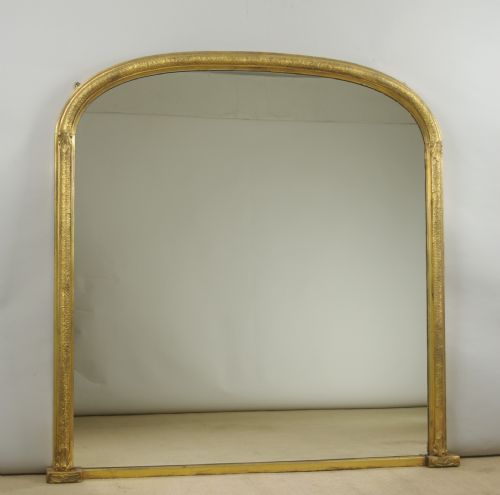
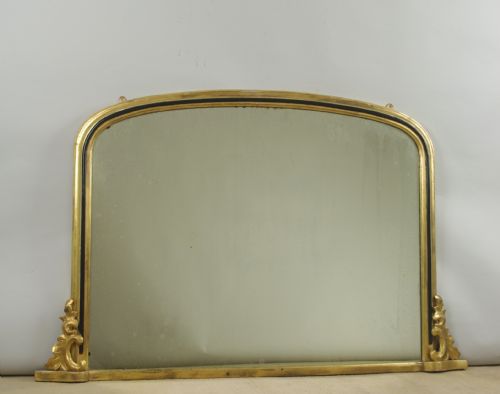
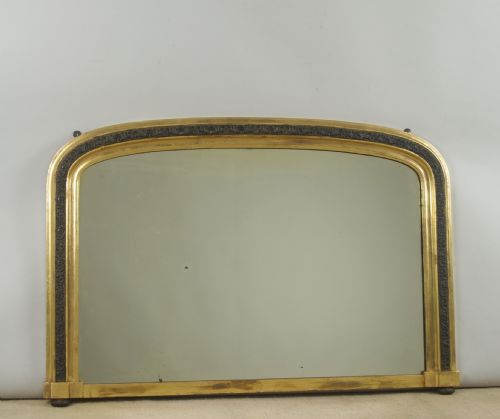
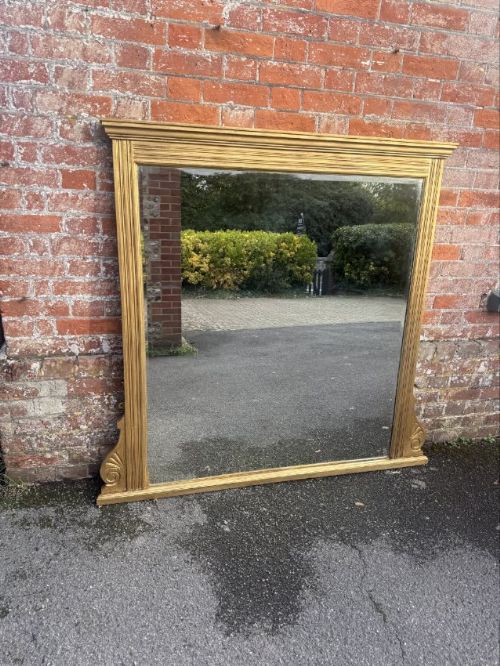
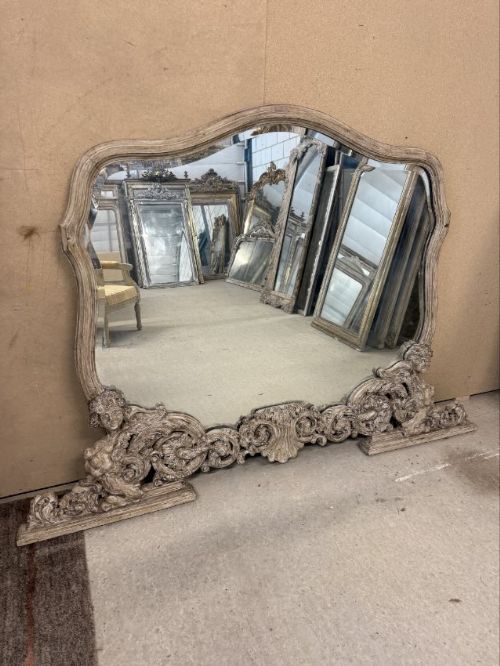
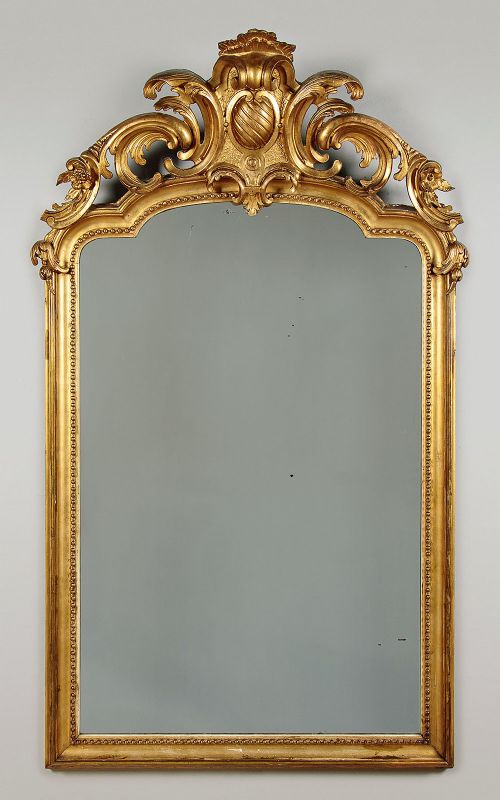
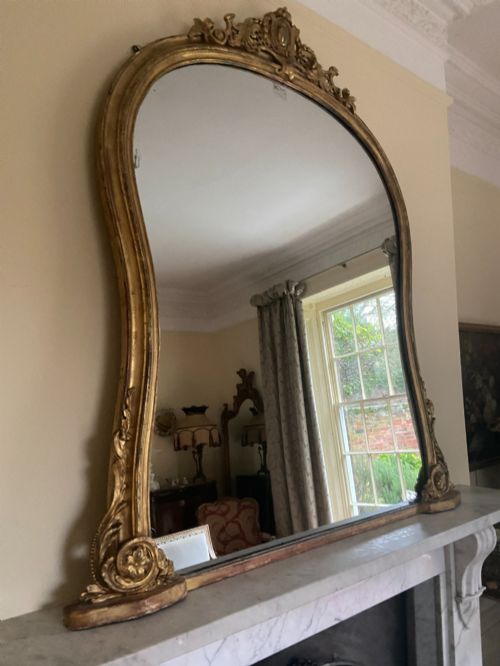
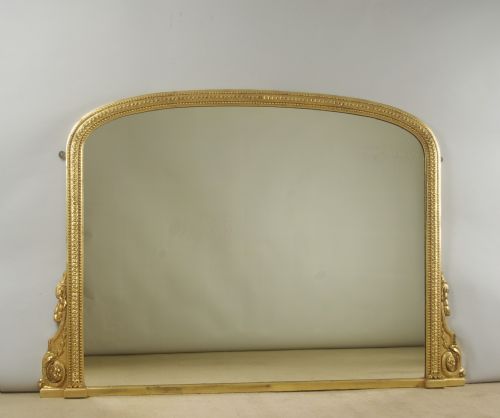
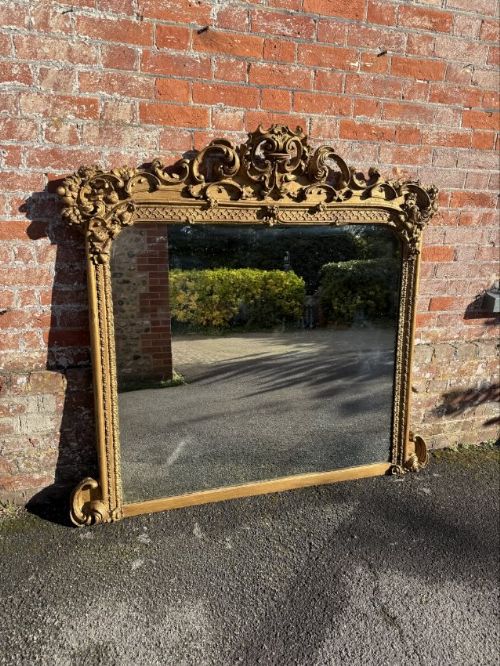
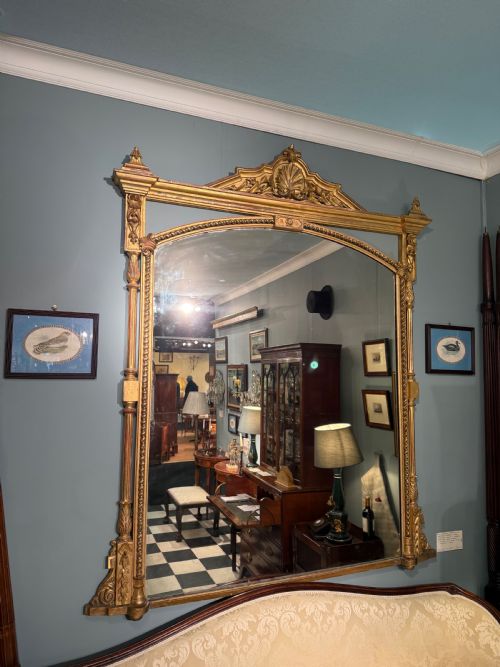
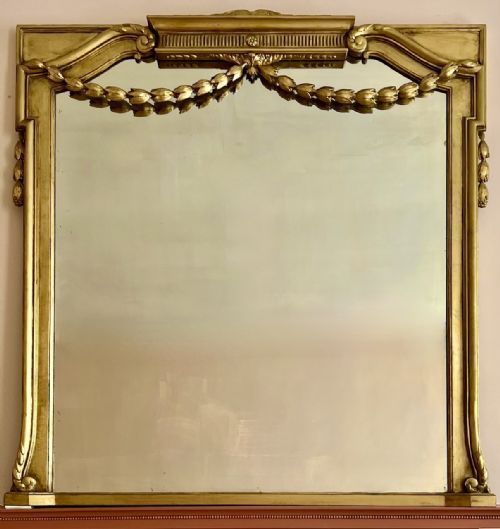
A fireplace overmantle is a large mirror specifically proportioned to hang on the wall above a chimney breast. When searching for a fireplace overmantle, a buyer encounters substantial wall mirrors designed to command attention in a principal room.
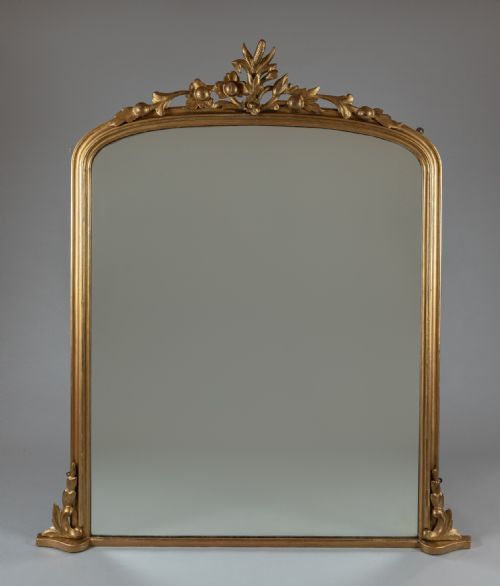
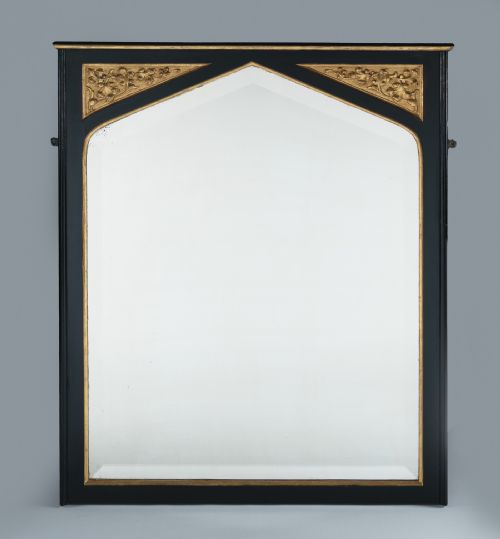
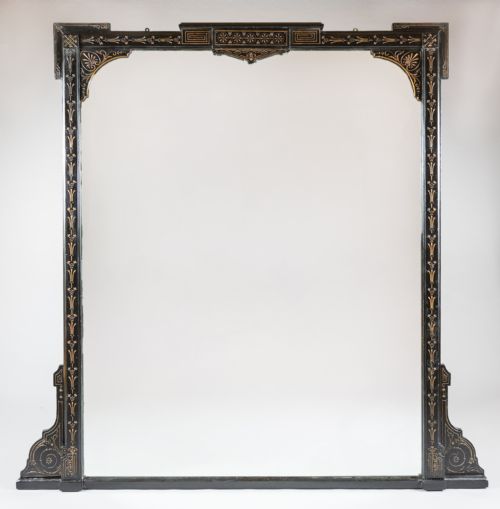
Most examples found here originate from the nineteenth century, spanning periods from the Victorian era back through Regency designs. These pieces often feature arched tops or rectilinear wooden frames built to fit the specific masonry widths of period hearths.
How they were made
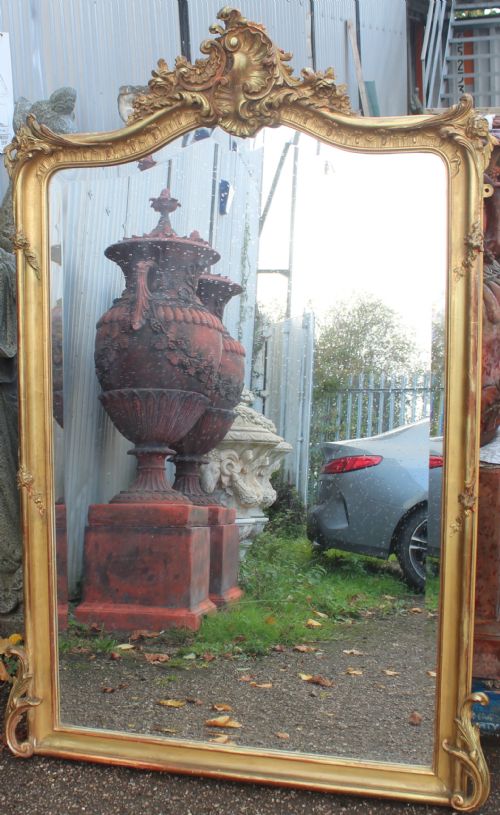
Cabinet makers constructed the foundational frames using carved wood such as walnut, rosewood, or softer timbers, layering gesso and composition mouldings to build up high-relief decorative details. Artisans then applied gold leaf, liquid gilding, or painted finishes directly over the prepared surfaces.
Mirror glass was set into the rebates behind protective backboards, frequently utilising heavy plate glass that retains its original reflective qualities or exhibits light foxing.
Fireplace Overmantle Retail Price Guide 2026
Typical asking prices for fireplace overmantle among the pieces listed under this phrase on Sellingantiques today, from the lower quarter to the upper quarter. They describe what is for sale here now, not the wider market.
Some nineteenth-century makers snuck nautical rope twist carvings into inland drawing rooms just to keep sailors happy on dry land.
What varies in quality
The distinction between standard production and top tier work rests on the crispness of the carved wooden details and the depth of the gesso mouldings. Finer pieces demonstrate precision in rope twist, tulip, or column framing without excessive filling of the carved recesses.
Originality of gilding and the preservation of the antique mirror plate determine the overall integrity of the piece, as later re-gilding alters the surface character.
The Fireplace Overmantle Glossary
- Gesso
- A plaster-like mixture applied to wooden frames as a smooth base for gilding. It allows craftsmen to carve intricate decorative motifs before applying gold leaf.
- Composition
- A moulded mixture of whiting, resin, linseed oil and glue pressed into decorative ornaments. It provides a durable alternative to hand-carving complex patterns on frames.
- Giltwood
- Timber that has been coated with thin sheets of gold leaf or metallic powder. This finish catches the ambient light of a room.
- Overmantel
- A mirror or decorative panel designed specifically to be placed above a fireplace mantelpiece. It serves to visually complete the chimney breast architecture.
- Foxed glass
- Mirror plate showing dark spots or a speckled cloudy patina due to the degradation of the backing silver over time. This ageing process appeals to many period interior decorators.
Fireplace Overmantle: Frequently Asked Questions
How do I hang a heavy overmantle mirror safely?
These large mirrors carry substantial weight from their wooden frames and glass plates, requiring secure fastening directly into masonry or heavy wall studs using appropriate brackets.
Professional installation ensures the load distributes evenly across the wall rather than relying on standard picture hooks.
Did these mirrors always belong above fireplaces?
While manufactured specifically for the chimney breast, many nineteenth-century overmantle mirrors work effectively on principal walls in hallways or dining rooms.
Their substantial scale allows them to function as standalone floor or wall mirrors in modern interiors.
How do I identify a Victorian overmantle?
Victorian examples frequently display architectural arched tops, robust gesso ornamentation, and rich gilt finishes designed to match nineteenth-century interior proportions.
Earlier Regency pieces often show lighter neoclassical framing, while later Victorian variations introduce ebonised woods and parcel-gilt details.
Should I replace foxed mirror glass?
Original mirror glass with light foxing preserves the authenticity and historical character of a nineteenth-century piece.
Replacing the glass removes the aged patina that collectors value in antique mirrors.