
Fireplace Fender Guard
A fireplace fender guard brings order to a hearth while protecting a room from stray embers.
Fireplace Fender Guard
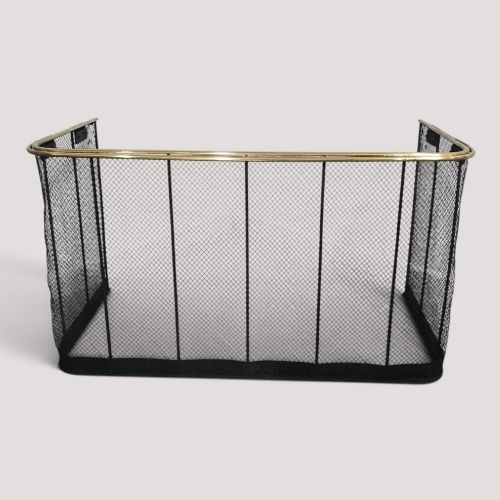
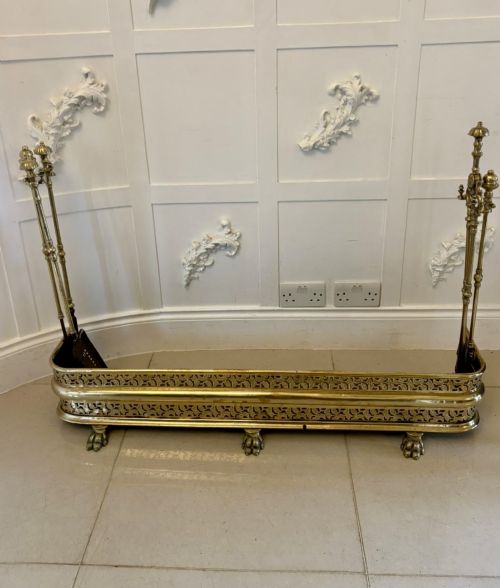
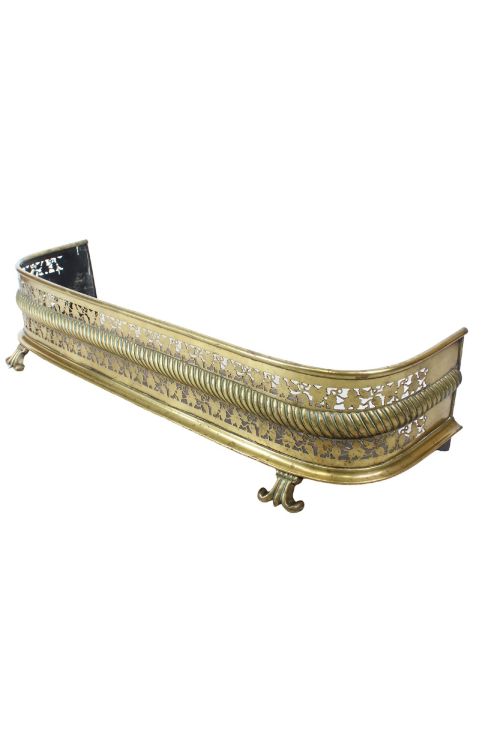
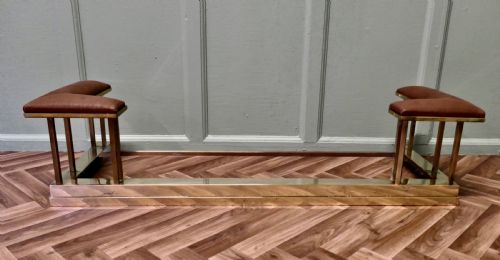
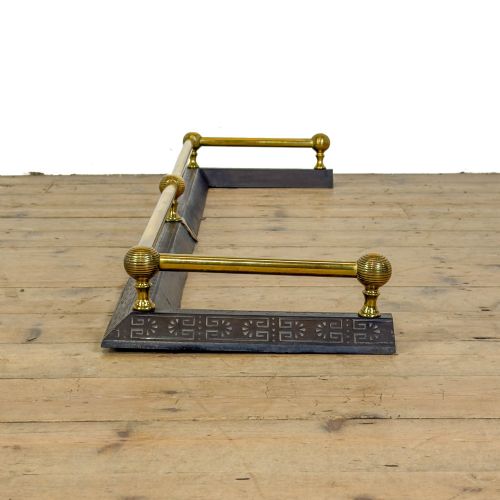
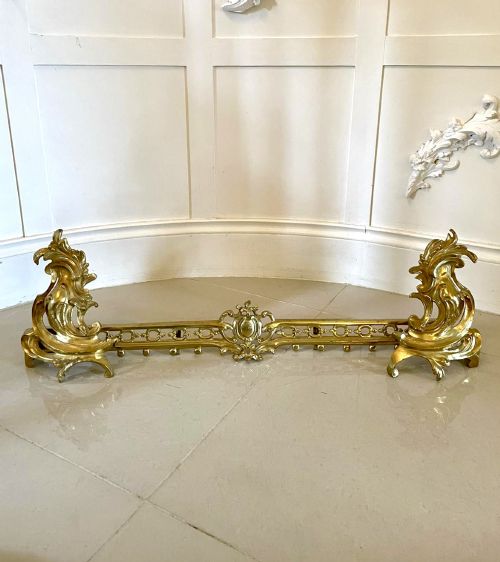
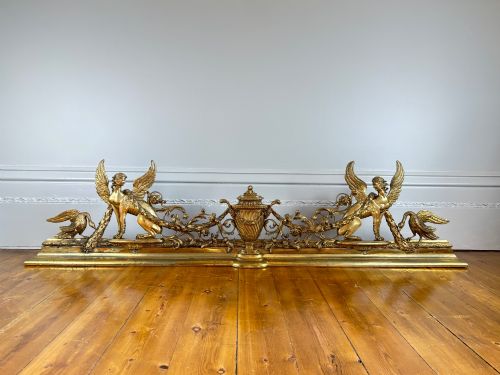
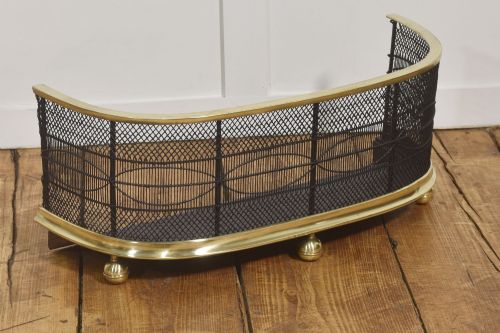
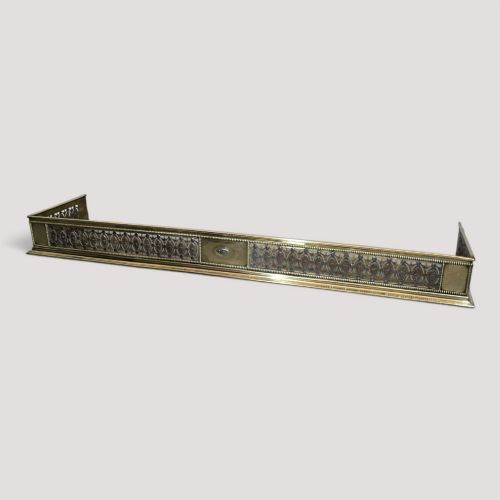
A fireplace fender guard establishes a physical boundary around the hearth, separating the open fire from the room. These functional hearth boundaries appear in multiple forms, including low metal kerbs, enclosing club fenders with upholstered seats, and folding spark guards designed to catch flying embers.
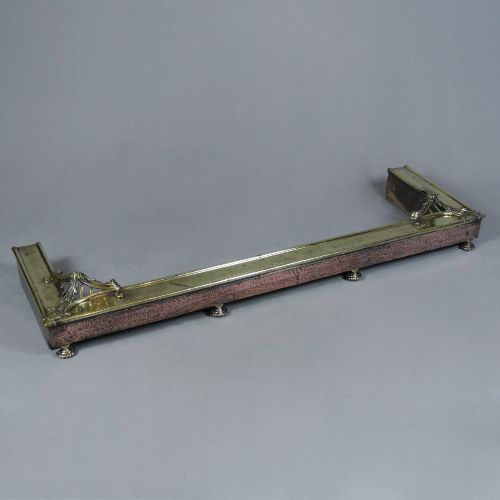
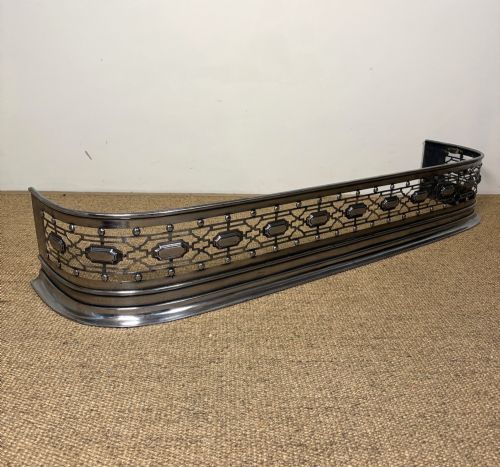
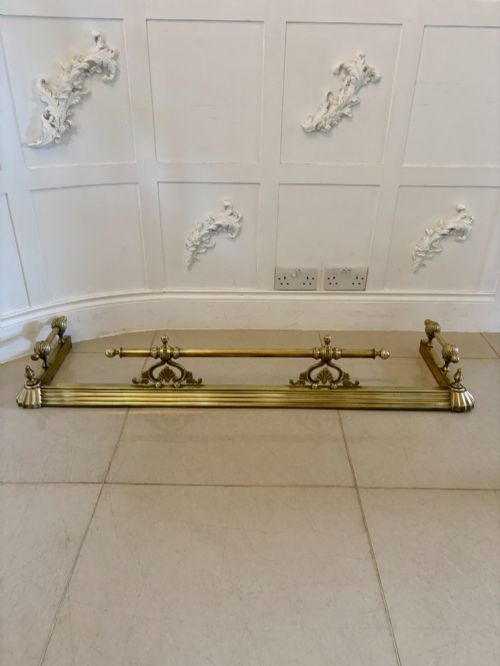
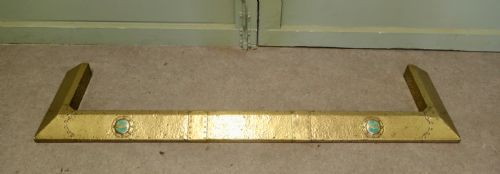
The selections available here span several distinct periods, drawing heavily from the Georgian, Victorian, and Edwardian eras. Victorian brass and iron examples dominate the current group, alongside earlier steel designs and later Art Deco and Arts and Crafts interpretations.
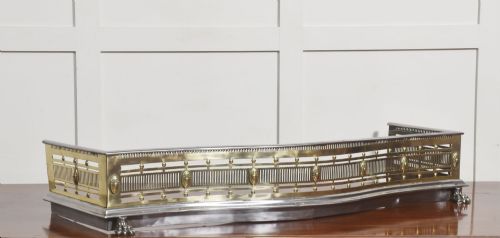
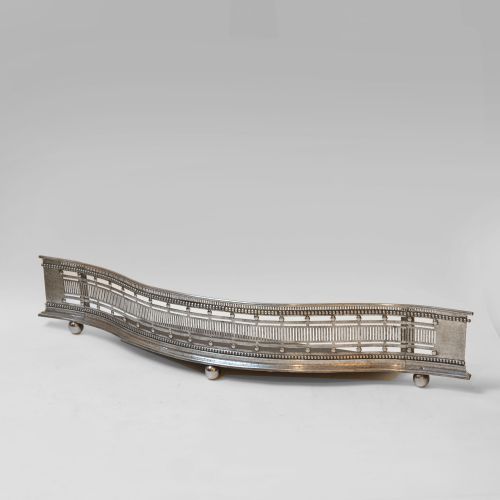
Makers utilised various configurations to suit different hearth dimensions, ranging from extendable models to fixed serpentine shapes and large nursery guards. Buyers will find that these pieces serve both a protective role and an architectural function within a period room.
What varies in quality
Construction methods and metal gauge determine the structural integrity of a hearth guard. Heavier cast components and thick gauge brass or steel provide greater stability and durability than thin, lightweight alternatives.
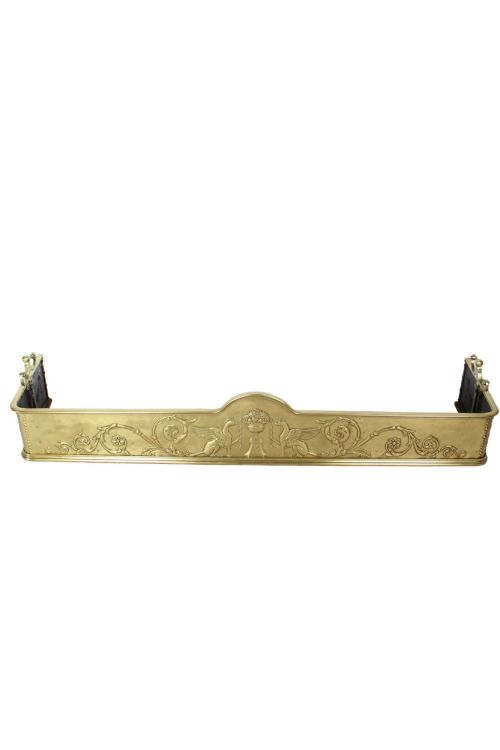
The refinement of decorative detail separates standard production pieces from finer examples. Pierced metalwork, hand-chased ornamentation, and original surface patination indicate a higher degree of initial craftsmanship and careful preservation.
Listings include sturdy iron and steel frames alongside polished brass, riveted copper, and wire mesh guards from the nineteenth and early twentieth centuries.
E F Caldwell New York
The Fireplace Fender Guard Glossary
- Club fender
- A low, metal-framed hearth guard featuring upholstered corner seats on either side of the fireplace opening. These seats allowed individuals to sit close to the fire while containing the hearth.
- Nursery fender
- A tall wire mesh or iron guard designed to enclose the entire hearth area for child safety. These taller structures prevented young children from getting too close to open flames.
- Spark guard
- A folding or fixed metal screen made of fine wirework designed to catch flying embers. They provide protection without entirely blocking the radiant heat of the fire.
- Fire kerb
- A low metal barrier that sits directly on the hearth stone to contain rolling logs and ash. They offer a minimal profile compared to larger enclosing fenders.
- Patera
- A circular ornamental motif carved or applied in relief, resembling a classical libation dish. Makers frequently incorporated them into Victorian and Georgian metalwork.
Fireplace Fender Guard: Frequently Asked Questions
What is a club fender?
A club fender is a low hearth guard equipped with leather-upholstered seats on either side. This design creates a comfortable seating area directly around the fireplace.
Originally popular in country houses and libraries, these pieces allowed people to warm themselves close to the fire safely and sociably.
How do I measure for a fender?
Measure the width and depth of your hearth stone carefully to ensure the guard fits the perimeter. Take into account any protruding hearth tiles or the clearance needed for fire irons.
Some period fenders feature adjustable mechanisms, allowing slight alterations in width to fit specific fireplace openings.
Are spark guards safe to use?
Wire mesh spark guards provide an effective barrier against spitting embers and falling coals. They block flying sparks while still allowing the warmth of the fire to enter the room.
Ensure the mesh is intact and stable before placing it in front of an active open fire.
How do I tell Victorian from Georgian pieces?
Georgian pieces often feature fine steel construction with linear pierced decoration and restrained classical proportions. They tend to look lighter and more austere in their metalwork.
Victorian examples frequently utilise heavier brass, elaborate pierced patterns, and decorative elements like patera or applied copper highlights.