



Fireplace Coal Urn
A fireplace coal urn brings functional metalwork into the sitting room, offering a neat way to store solid fuel beside the hearth.

Fireplace Coal Urn
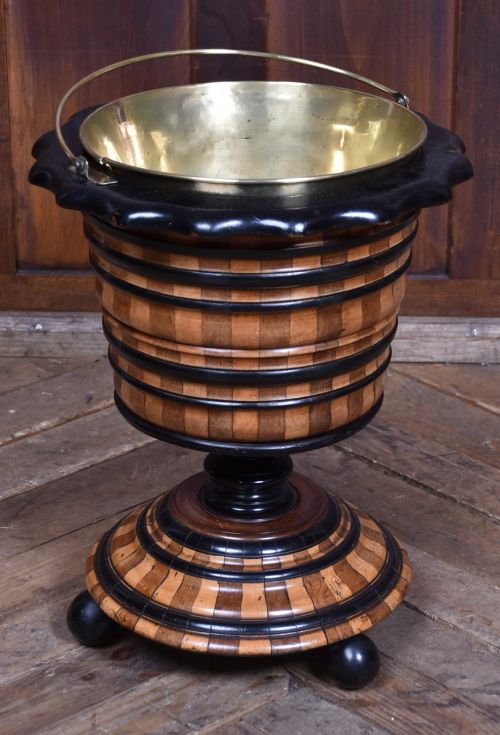
When you search for fireplace coal urn items, you encounter hearth accessories designed for domestic fuel storage, spanning periods from the eighteenth century to the twentieth century. These containers include helmet coal scuttles, copper buckets, cauldrons, and peat bins formed in brass, copper, and iron.
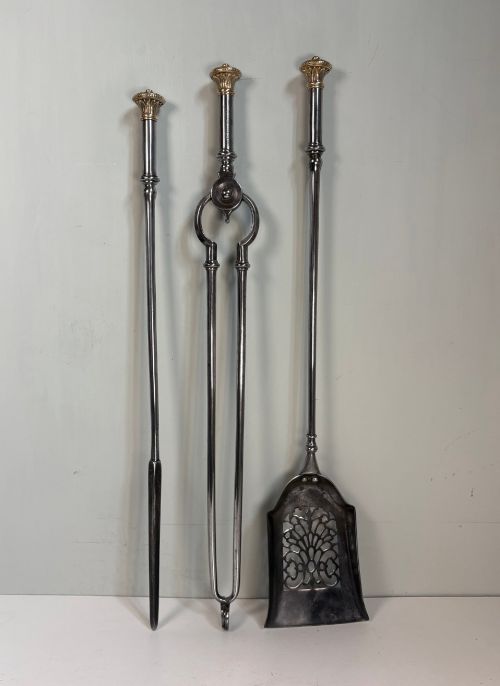
Many examples incorporate mixed hardwoods, rosewood, and ebonised wood handles or bodies, while others remain entirely of beaten metal. The selection ranges from freestanding fire baskets and fire tools to lidded containers intended to keep dust contained.
How they were made
Makers utilised sheet brass and copper, hammering, spinning, or joining the metal plates to form watertight vessels and articulated scuttles. Dinanderie techniques appear on decorative vessels, creating textured surfaces through hand-beating.
Wooden elements such as rosewood, boxwood inlay, and mixed hardwoods provide structural handles, plinths, and lids. Steel and iron feature heavily in the accompanying fire tools and grates, forged to withstand high hearth temperatures.
Fireplace Coal Urn Retail Price Guide 2026
Typical asking prices for fireplace coal urn among the pieces listed under this phrase on Sellingantiques today, from the lower quarter to the upper quarter. They describe what is for sale here now, not the wider market.
Object forms span fire tools, peat buckets, teestoofs, log bins, and planters from the eighteenth century onward.
What varies in quality
The calibre of a piece rests upon the weight of the metal gauge and the crispness of any applied hand-beating or boxwood inlay. Substantial gauge brass and copper retain their structural integrity better over decades of heavy service.
Artistry in the joinery of wooden components and the refinement of swing handles distinguish superior workshop output from standard utility items. The integration of period liners, such as brass inserts within Dutch teestoofs, preserves the interior from moisture and wear.
William Soutter And Sons
The Fireplace Coal Urn Glossary
- Dinanderie
- A medieval term revived for ornamental brass and copperware produced in Belgium and France, featuring hammered surface patterns. This technique yields textured decorative vessels.
- Teestoof
- A traditional Dutch footstove or warming container fitted with a metal liner to hold hot embers. These small vessels often utilise brass construction.
- Jardiniere
- A decorative ornamental pot or stand designed to hold growing plants or cut foliage, frequently repurposed as a log bin. They appear in copper and brass across various periods.
- Helmet scuttle
- A coal container shaped with an elevated spout and flared brim resembling a classical helmet. This form allows fuel to be poured directly into the fire basket.
- Metamorphic
- Describing an object designed to transform its function or shape through mechanical parts, such as a scuttle that tilts on a fixed stand. These pieces showcase clever nineteenth-century hardware.
Fireplace Coal Urn: Frequently Asked Questions
What is a fireplace coal urn used for?
These metal and wooden containers were manufactured to hold coal, logs, or peat close to the domestic hearth for easy refuelling.
They kept domestic fuel contained and tidy, preventing coal dust from spilling directly onto the carpet or flooring of the sitting room.
How do I clean antique brass and copper?
Most dealers recommend leaving a stable, aged patina intact rather than aggressively polishing historical metalwork.
Dusting with a dry cloth or using a mild soapy solution for interior grime preserves the surface character accumulated over generations.
Are these pieces safe for modern fires?
Many historical coal scuttles and buckets function adequately for storing logs beside contemporary wood burners or open grates.
However, one should inspect internal liners for corrosion or leaks before loading them with damp timber or loose coal.
How do I date an antique coal bucket?
Stylistic indicators such as Art Nouveau hand-beating or Regency Adam motifs help narrow the manufacturing era alongside material choices like rosewood.
Construction details, including handmade rivets and the presence of maker marks, provide further clues to the decade of origin.