


Fine Wool Carpet
When you handle a fine wool carpet, you hold centuries of regional weaving traditions and extraordinary natural dyeing in your hands.
Fine Wool Carpet
A fine wool carpet encompasses woven floor coverings and decorative textiles originating primarily from Persia, the Caucasus, Central Asia, and China, spanning production dates from the mid-nineteenth century into the mid-twentieth century.
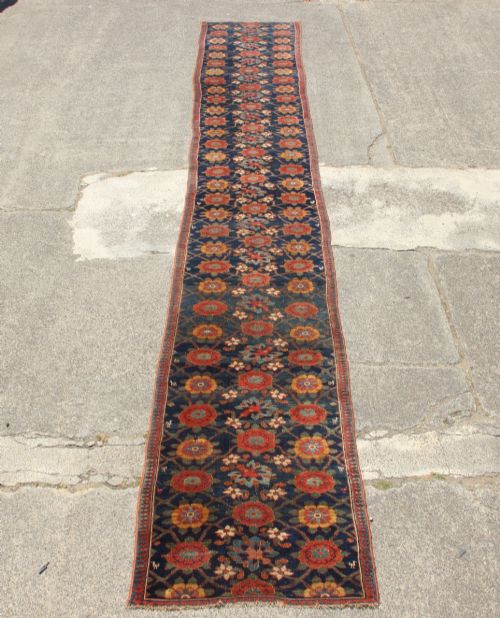
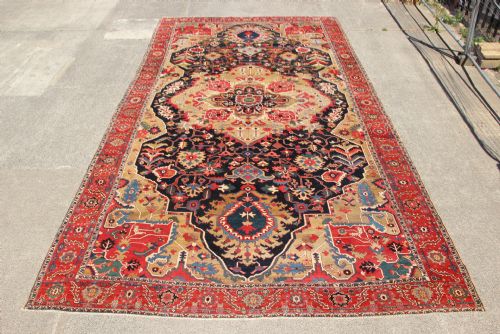
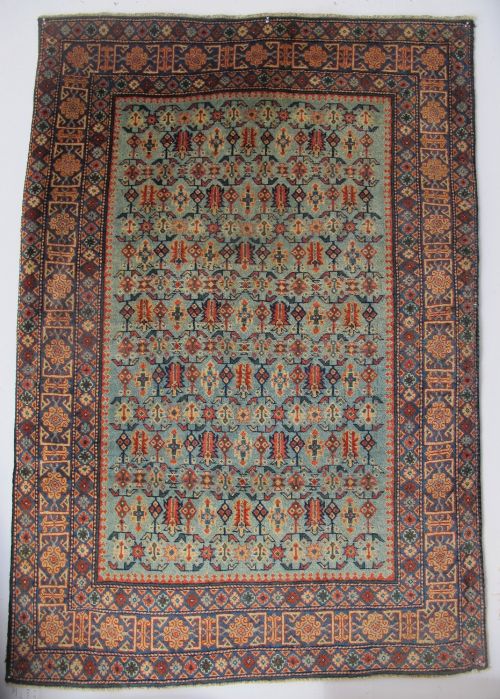
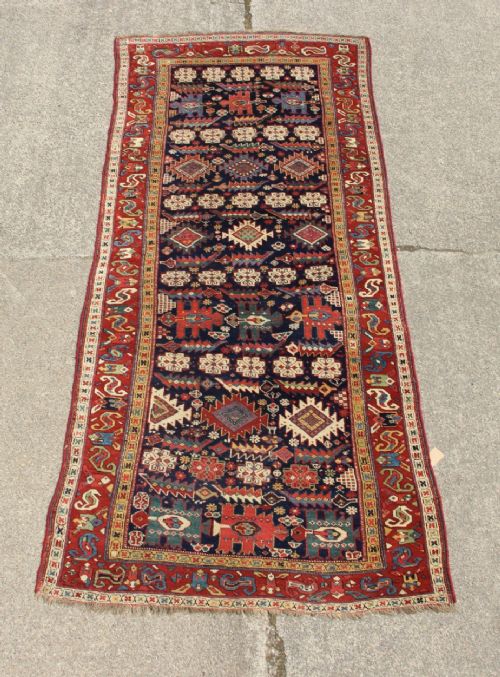
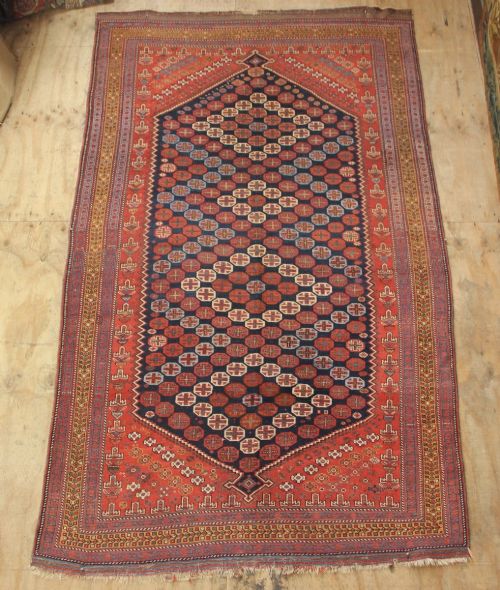
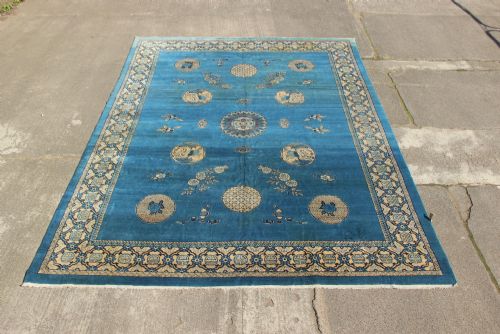
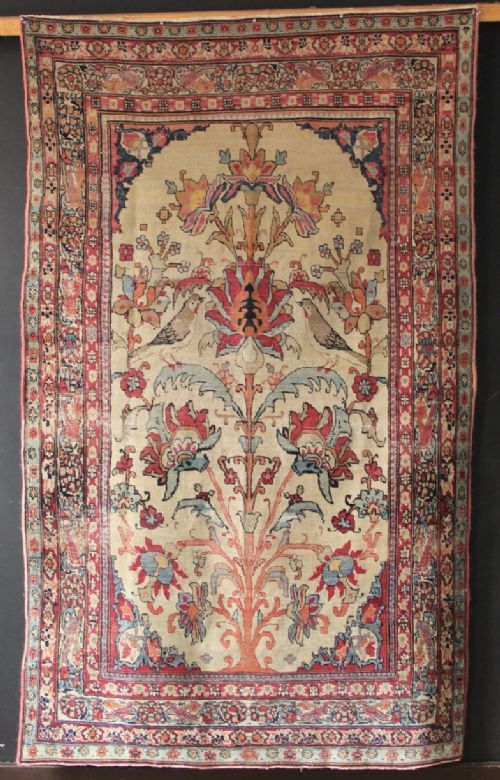
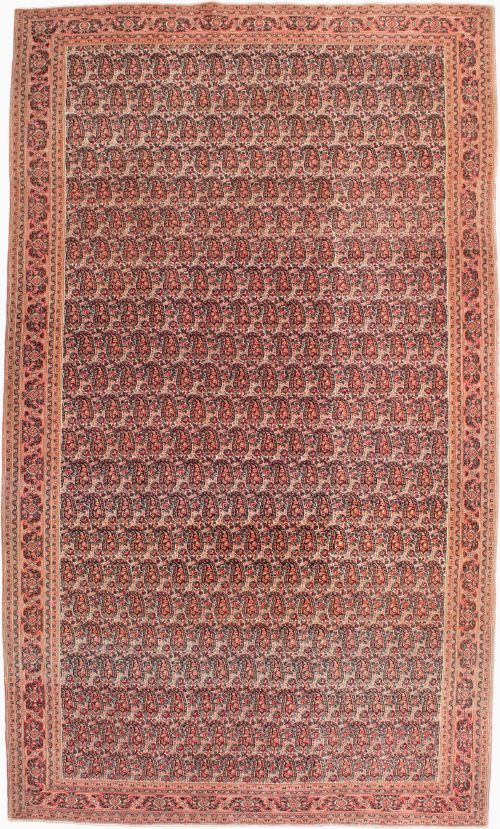
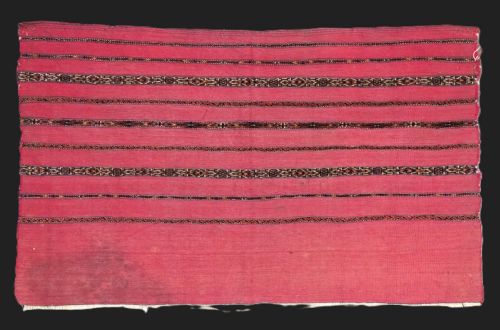
The pieces represented in this category range from intimate hearth-sized mats and prayer rugs to expansive room-sized carpets and elongated runners featuring traditional tribal and city designs.
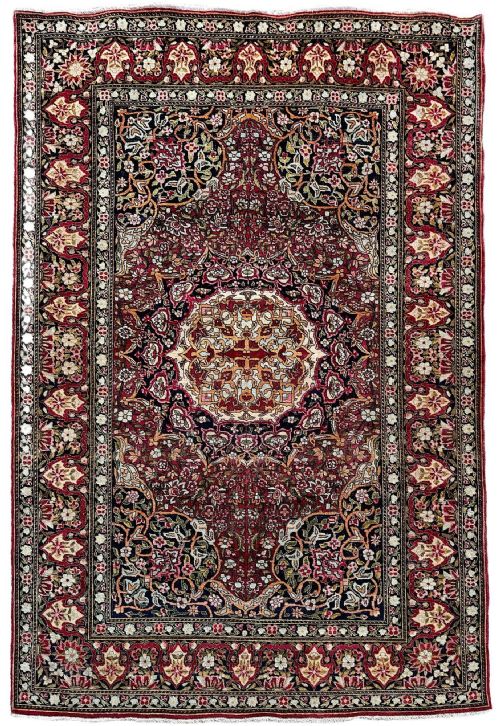
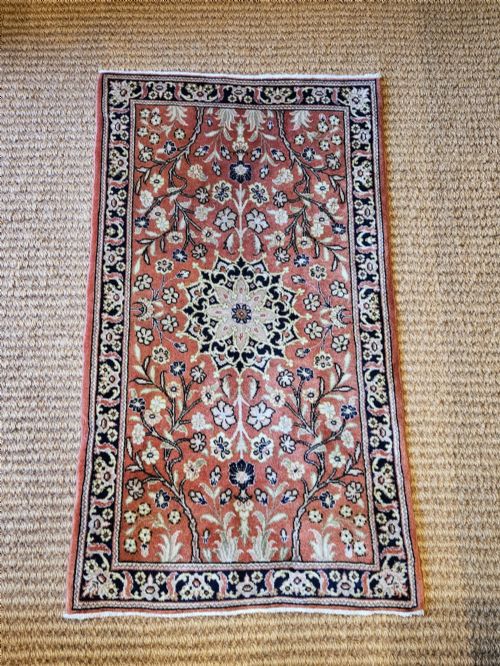
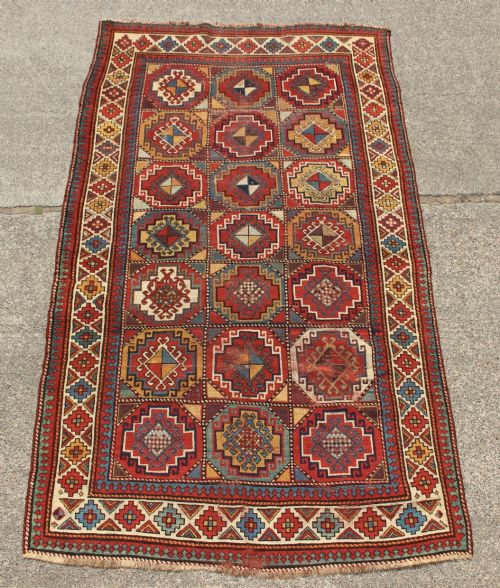
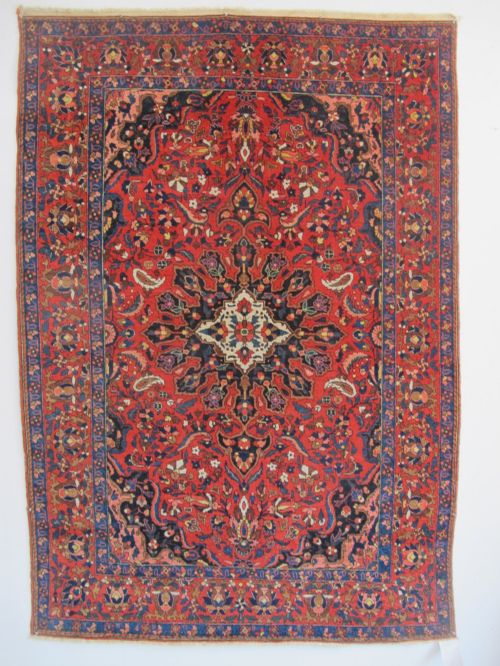
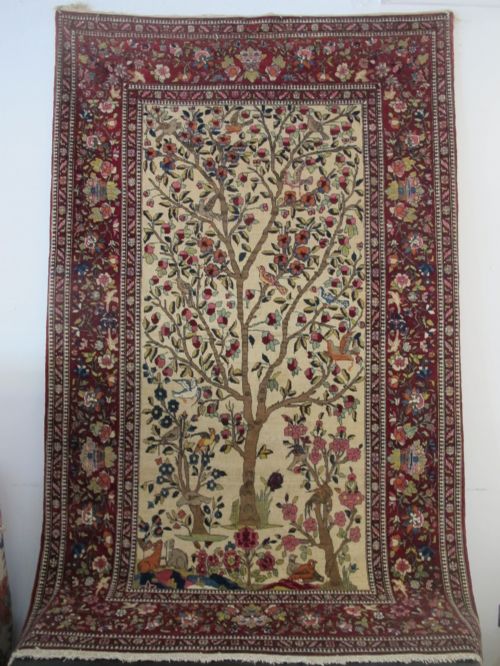
Buyers seeking a fine wool carpet typically encounter regional styles such as Isfahan, Tabriz, Heriz, Kazak, and Tekke Turkmen, each displaying distinct geometric or floral motifs bound to their specific geographic roots.
Materials and Construction
These carpets rely principally on wool pile foundations, occasionally incorporating cotton for structural warps and wefts, and in select examples, employing silk details to highlight specific design elements.
Weavers utilised natural dyes to achieve deep, enduring colour palettes across the various tribal and urban workshops represented in the archive.
Several nomadic weavers included small personal charms or deliberate asymmetrical knots to ward off the evil eye.
Defining Quality Variations
The primary distinction in quality lies in the density of the weave and the precision of the knotting executed by the weaver, which dictates the crispness of the geometric or floral pattern.
The purity and handling of the wool, alongside the complexity and saturation of the natural dyes, separate standard regional examples from exceptional collector pieces.
The Fine Wool Carpet Glossary
- Warp
- The vertical foundation threads stretched lengthwise on a loom before weaving begins. These stationary threads carry the tension of the piece.
- Weft
- The horizontal threads passed across the warp threads to hold the knots in place. They secure the structural integrity of the woven textile.
- Pile
- The upright yarn surface formed by the ends of knots tied to the warp and weft. This surface provides the functional texture of the carpet.
- Natural Dyes
- Colorants derived from plant, insect, and mineral sources rather than synthetic chemicals. These substances yield complex, rich hues that age gracefully.
- Medallion
- A central ornamental design motif placed in the middle of the carpet field. This focal point anchors the surrounding composition.
- Runner
- A long, narrow carpet format designed specifically for corridors, hallways, or staircases. These pieces accommodate restricted spatial dimensions.
Fine Wool Carpet: Frequently Asked Questions
How do I care for my carpet?
Vacuum your carpet gently without using a rotating brush roll to protect the delicate wool pile.
Professional specialist cleaning is essential to preserve the natural dyes and structural integrity over time.
Where were these pieces made?
Origin locations span traditional weaving centres and nomadic regions across Persia, the Caucasus, Central Asia, and China.
Specific towns and tribes developed distinct visual vocabularies that identify their geographic provenance.
Can I place rugs in high traffic areas?
Durable wool construction allows these textiles to withstand normal foot traffic in residential settings.
Placing a quality underlay beneath the piece prevents slipping and reduces friction against the floorboards.
How do I identify different regional styles?
Study the specific arrangement of motifs, such as the geometric medallions of Caucasian pieces or the flowing florals of Persian city rugs.
Knotting technique and palette choices further clarify whether a piece originates from a tribal workshop or an urban centre.