




Fine Porcelain Dish
A fine porcelain dish brings centuries of painted artistry and fired craftsmanship to the table.
Fine Porcelain Dish
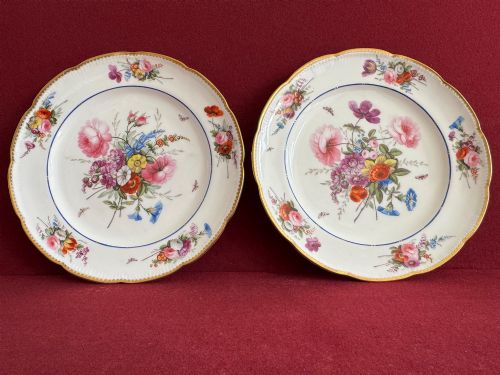
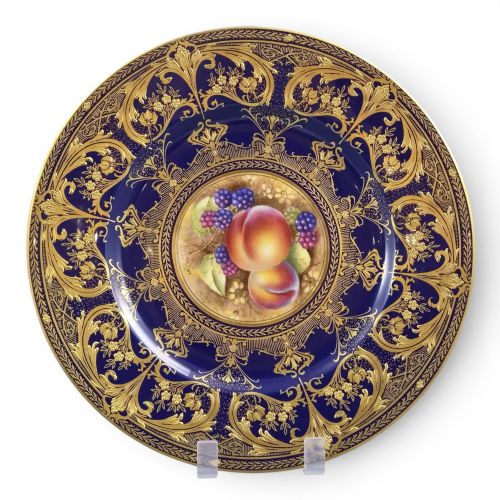
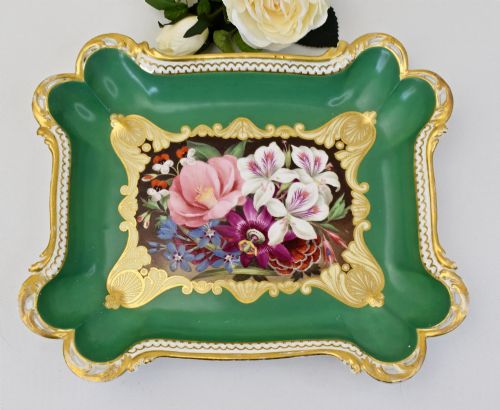
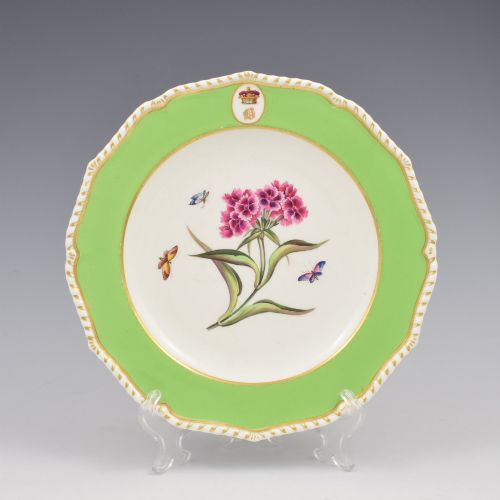
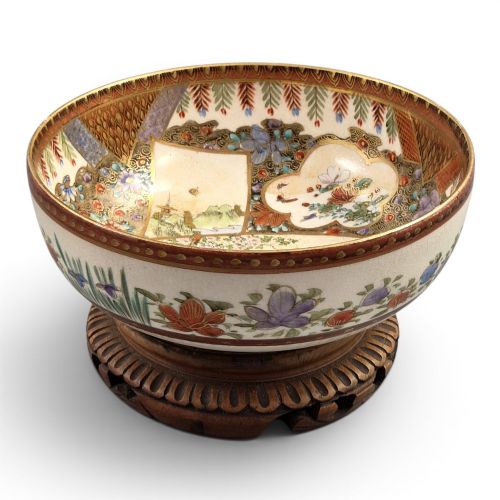
A fine porcelain dish represents centuries of ceramic achievement, encompassing everything from delicate eighteenth-century leaf-shaped pickle dishes to nineteenth-century cabinet plates and large chargers. These objects serve as both functional tableware and decorative display pieces, reflecting the distinct aesthetic values of Georgian, Victorian, and Regency periods alongside major Asian traditions. Collectors searching for a fine porcelain dish encounter items shaped as fans, bowls, trays, and deep saucers painted with botanical studies, armorial crests, and figurative scenes.
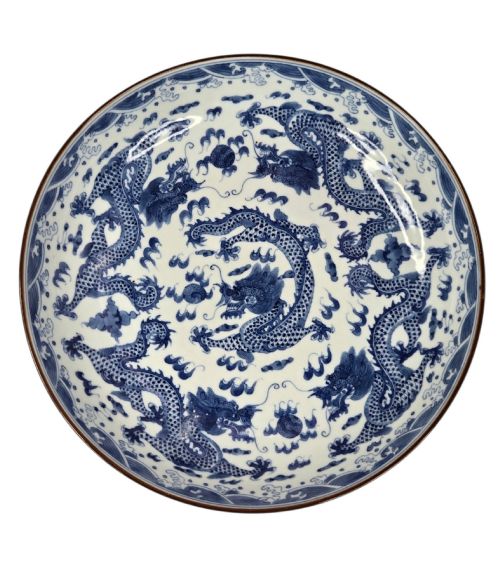
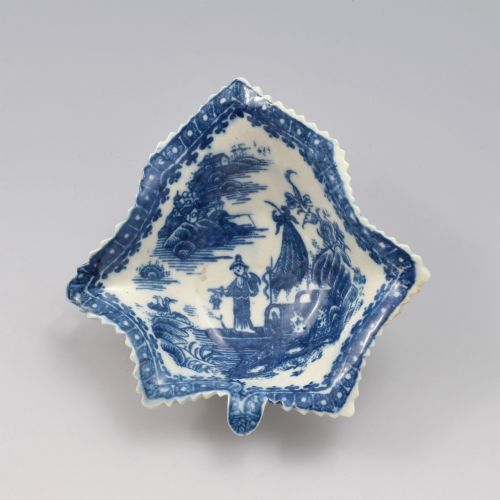
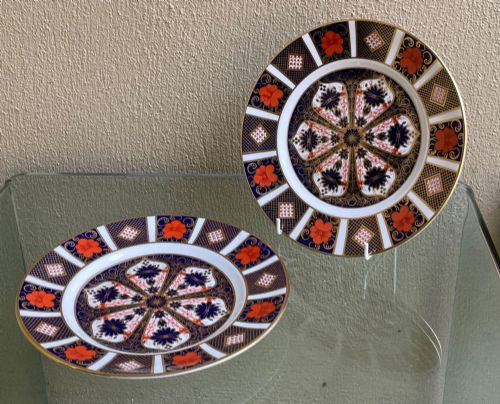
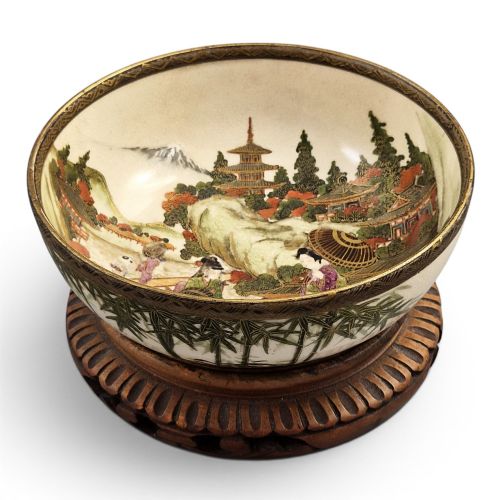
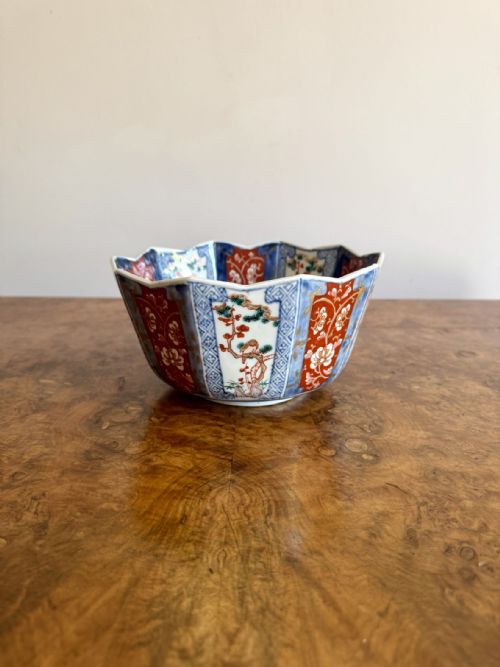
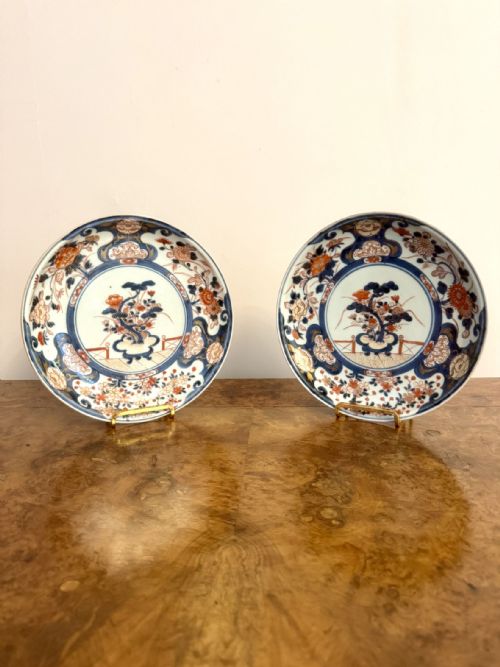
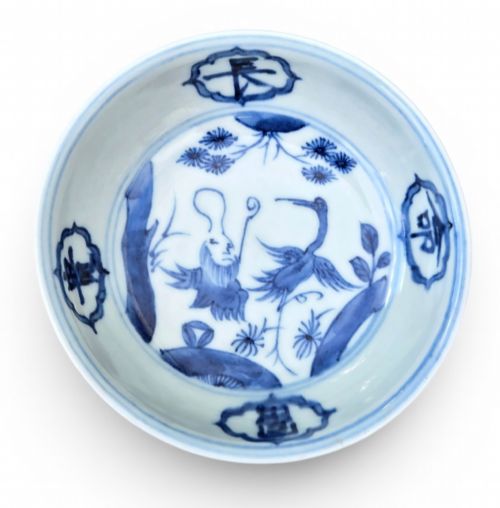
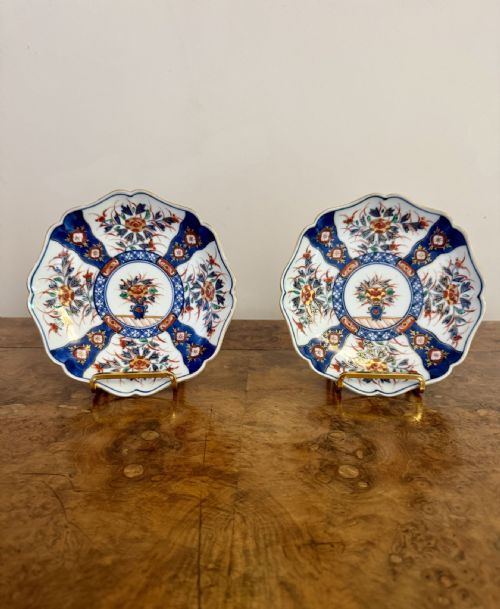
The specimens seen here span English porcelain factories like Worcester, Coalport, and Derby, as well as Chinese export wares, Qing Dynasty chargers, and Japanese Satsuma and Imari pieces. English examples often feature hand-painted botanical specimens or armorial designs intended for dessert service, while Asian works display intricate blue and white dragons, famille rose enamels, and court life scenes. Each form demonstrates the specific utility and decorative ambition of its respective era, from small Caughley pickle dishes to substantial Japanese bowls.
How they were made
Potters constructed these objects using refined clay bodies, including soft-paste porcelain and bone china, which were shaped either by hand, on the wheel, or pressed into moulds such as the Caughley leaf-shaped pickle dishes. Once formed and initial-fired, the pieces received underglaze blue painting or delicate hand-painted enamel decoration before undergoing subsequent firings to vitrify the glaze. Artisans applied rich gold leaf, gilt accents, and detailed enamel work over the glaze, requiring immense skill to fix the colours without warping the delicate porcelain body.
Japanese and Chinese workshops employed specialised glaze techniques, producing coral-orange grounds, famille verte palettes, and cloisonné-style totai shippo finishes on porcelain. English decorators working for factories like Royal Worcester, Minton, and Doulton Burslem utilised finely ground mineral pigments to paint fruit, courtly scenes, and botanical subjects by hand. The combination of high-temperature kiln work and meticulous brushwork ensured that each fine porcelain dish achieved durability alongside intricate visual detail.
Fine Porcelain Dish Retail Price Guide 2026
Typical asking prices for fine porcelain dish among the pieces listed under this phrase on Sellingantiques today, from the lower quarter to the upper quarter. They describe what is for sale here now, not the wider market.
Materials recorded across the inventory include soft-paste porcelain, enamel, gold leaf, and traditional ceramic glazes.
What varies in quality
The standard of a piece depends heavily on the ambition of the painting and the precision of the porcelain body, distinguishing factory-standard output from masterworks decorated by named artists. Hand-painted botanical plates by specific decorators or armorial dessert services commissioned for aristocratic patrons display a level of artistic execution far exceeding generic transfer-printed items. The crispness of the underglaze cobalt, the richness of the enamel colours, and the application of gold leaf determine the visual hierarchy of these ceramics.
Provenance and factory origin also dictate the standing of a dish within its category, with documented works from eighteenth-century English manufactories or imperial Chinese kilns commanding greater attention. The intricacy of the moulding, such as deep lobed serving edges or specialised fan shapes, tests the limits of the potter's art during the firing process. Pieces bearing artist signatures, factory marks from periods such as the Qianlong or Guangxu reigns, or specific Regency armorials represent the upper tier of surviving examples.
Royal Crown Derby·Royal Worcester·Barr Flight And Barr·Coalport·Minton
The Fine Porcelain Dish Glossary
- Cabinet plate
- A decorative plate intended solely for display in a cabinet or on a wall rather than for dining use. These pieces often feature elaborate hand-painted scenes and heavy gilding.
- Armorial
- A ceramic decorated with a family coat of arms or crest, typically commissioned for wealthy households during the Georgian and Regency eras. Such pieces hold particular documentary and genealogical value.
- Imari
- A style of Japanese export porcelain characterised by a distinctive palette of underglaze blue, iron red, and abundant gold leaf. The tradition originated in Arita and heavily influenced European porcelain design.
- Soft-paste porcelain
- An artificial porcelain composition made from white-firing clay mixed with glass frit or ground glass, fired at lower temperatures than hard-paste. It possesses a warm, slightly translucent body common in eighteenth-century English wares.
- Charger
- A large decorative plate or dish, frequently measuring well over thirty centimetres across, used historically for serving food or as a grand centrepiece on a table or sideboard.
- Famille rose
- A major palette of Chinese ceramic enamels introduced in the Qing dynasty, dominated by opaque pink or purple colours mixed from colloidal gold. The style depicts floral, bird, and figurative compositions with subtle tonal gradations.
Fine Porcelain Dish: Frequently Asked Questions
How were antique dessert plates used?
These plates formed part of the final course of a formal meal, which typically consisted of fresh fruit, sweetmeats, nuts, and cheeses served after the savory dishes were cleared away. Wealthy hosts utilised specialised botanical or armorial services to display their refinement and wealth to assembled guests.
As dining habits evolved through the Regency and Victorian periods, the dessert course became an elaborate social ritual requiring dedicated sets of matched plates, trays, and comports. Guests admired the painted fruit or family crests while partaking in the final delicacies before retiring from the dining room.
What is the difference between bone china and porcelain?
True porcelain utilises hard-paste formulas of kaolin and petuntse fired at extreme temperatures, producing a vitrified and exceptionally durable body. Bone china incorporates calcined bone ash into the paste mixture, which allows the factory to fire thinner walls while retaining remarkable strength and a warmer, whiter tone.
English manufactories developed bone china during the late eighteenth and early nineteenth centuries to rival imported Asian wares. Both materials provide a smooth, non-porous surface ideal for fine enamel painting and gilding.
How do I identify Japanese Imari from Chinese export porcelain?
Japanese Imari wares typically employ a dense, saturated palette featuring iron red and deep underglaze blue combined with heavy gold leaf, often painted on a slightly greyer or thicker porcelain body. The motifs lean toward stylized chrysanthemums, brocade patterns, and architectural screens characteristic of the Edo and Meiji periods.
Chinese export porcelain of comparable styles generally exhibits finer, whiter potting with more naturalistic flora and fauna executed underglaze or in famille rose enamels. Examining the foot ring, glaze pooling, and stylistic conventions helps clarify the geographic origin of the piece.
Can antique porcelain dishes be used for food today?
While these ceramics were originally created for dining, historic tableware requires careful handling due to age-related wear on surface gilding and fragile lead-based enamels. Modern dishwashers and harsh detergents will quickly degrade hand-painted decoration and delicate gold leaf accumulated over centuries.
Collectors generally choose to display cabinet plates and serving dishes on stands or use them strictly for dry presentations. Hand washing in lukewarm water with mild soap is essential if an antique dish ever returns to the table.