




Fine Persian Wool Carpet
A fine persian wool carpet brings centuries of textile tradition into a room through intricate hand-knotted designs.
Fine Persian Wool Carpet
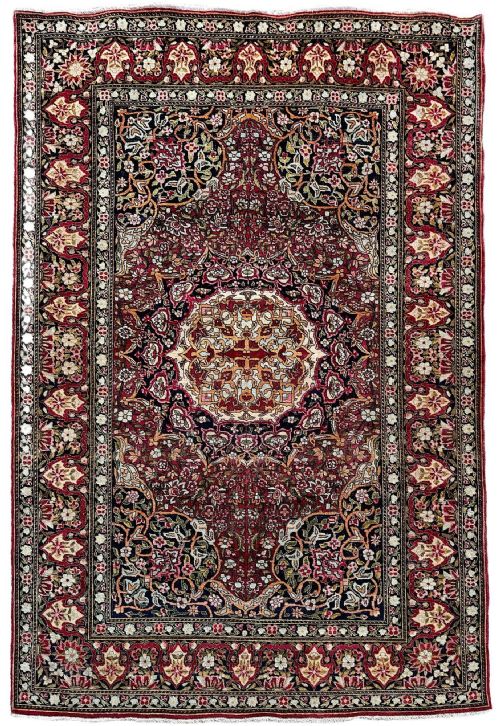
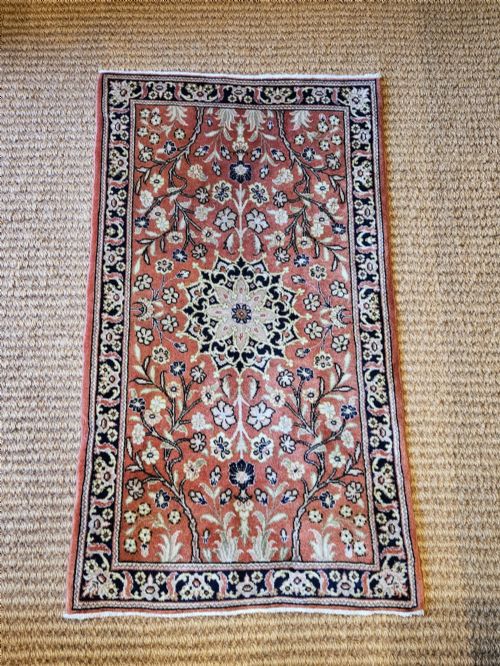
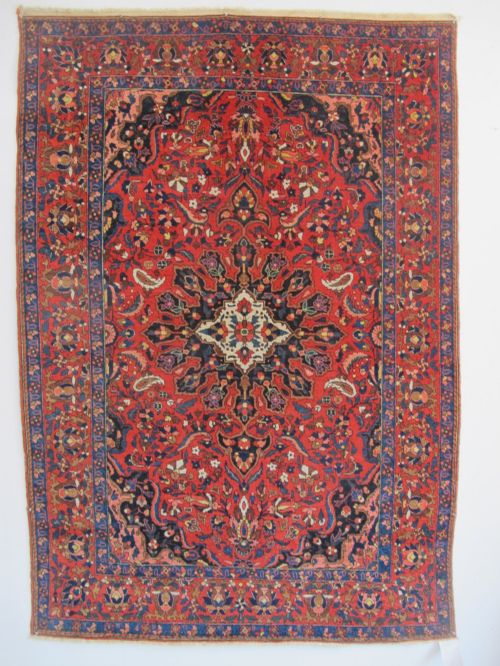
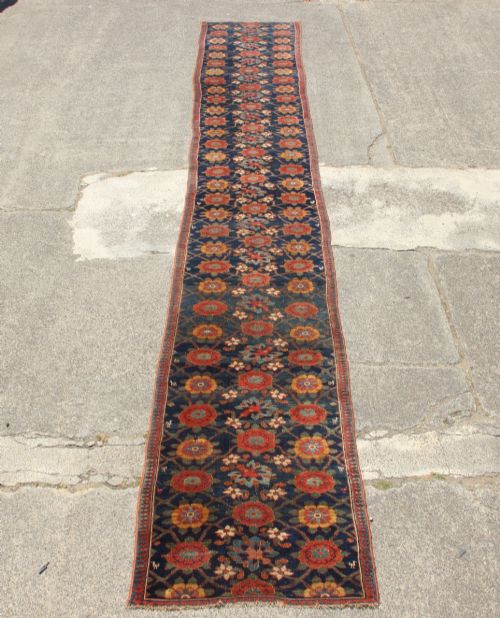
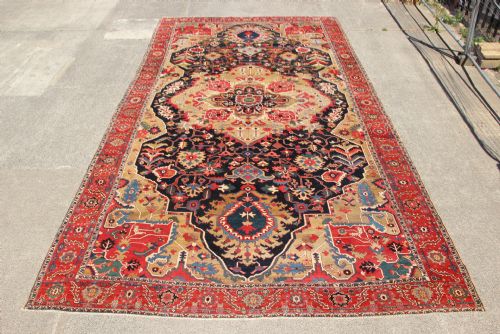
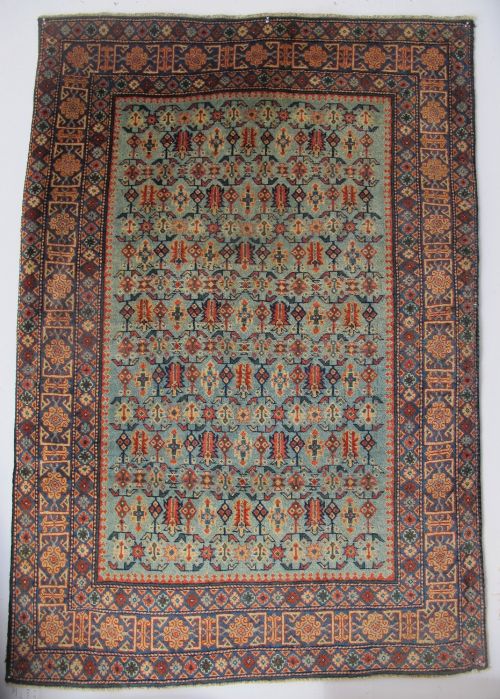
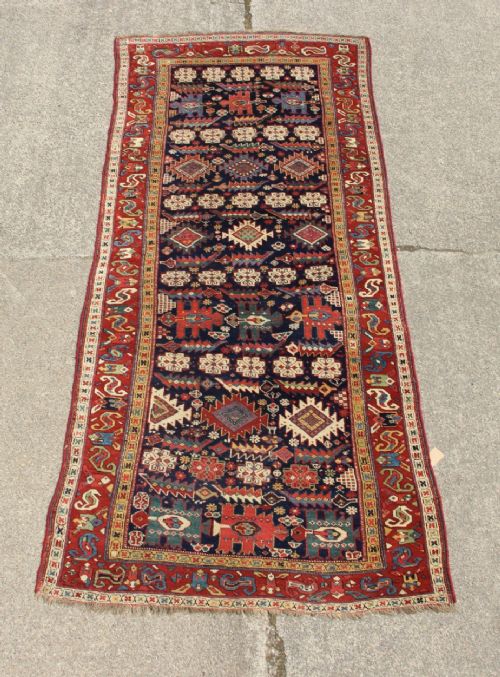
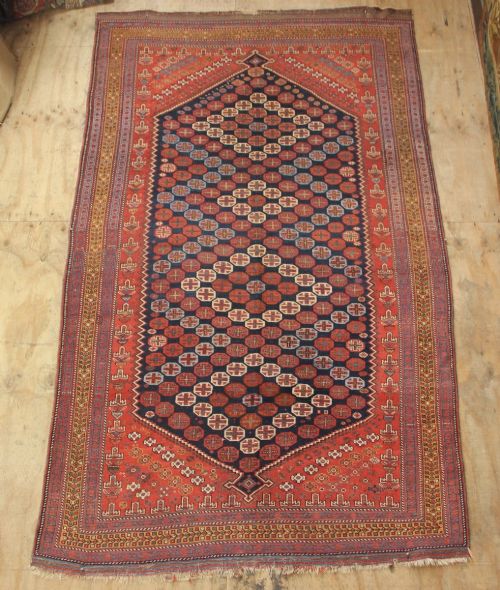
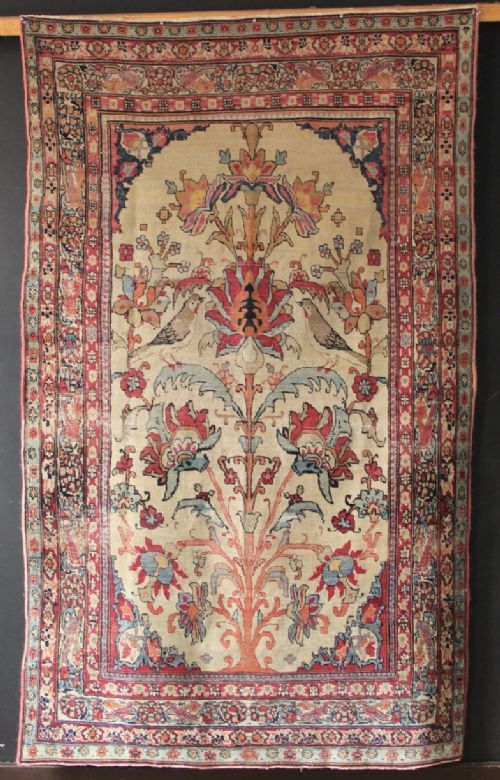
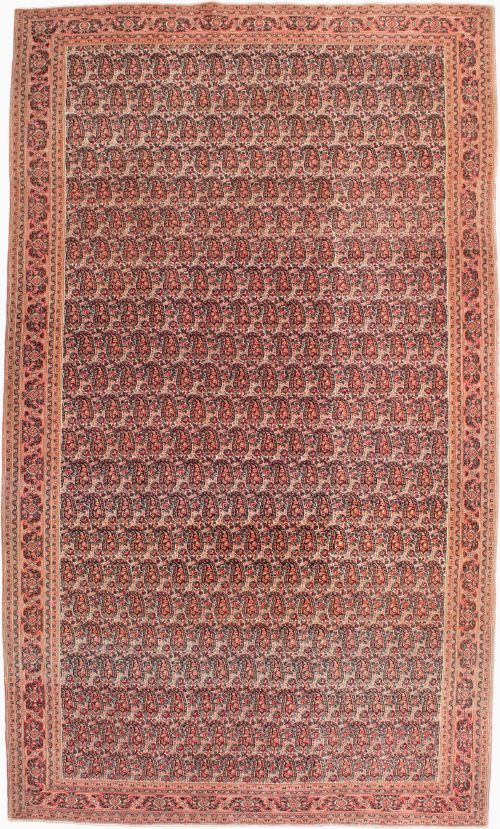
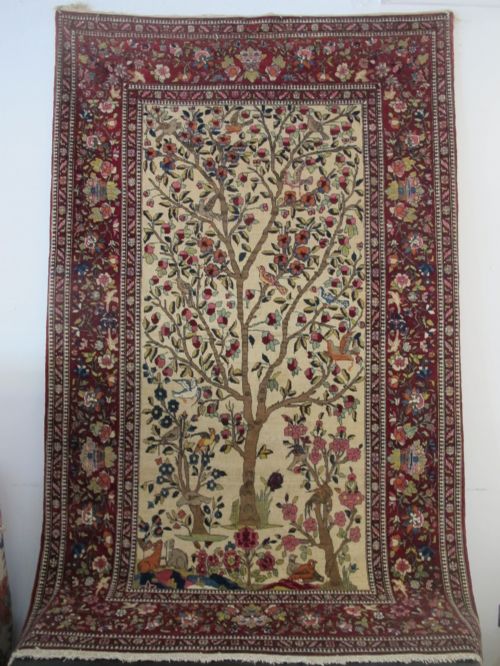
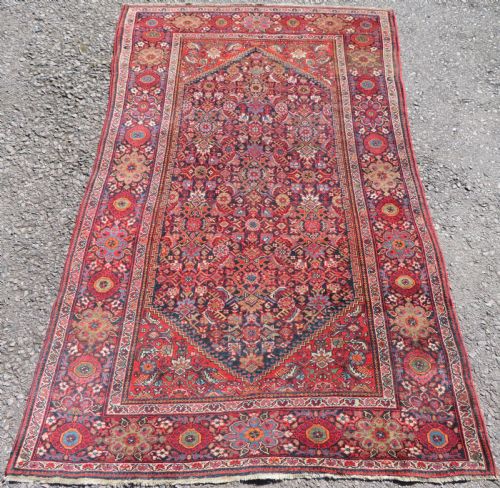
A fine persian wool carpet encompasses regional floor coverings originating from workshops and tribal centres across Persia, spanning the late nineteenth century to the early twentieth century. Buyers seeking this phrase encounter formats ranging from compact hearth rugs and long runners to exceptionally large room-sized carpets. The selection includes specific regional identities such as Isfahan, Tabriz, Heriz, Kashan, and Qum, alongside Kurdish and Afshar tribal pieces.
These textiles display distinct structural characteristics, from geometric lattice patterns and floral vase designs to central medallions. Materials generally combine a wool pile with cotton foundations, occasionally enhanced by silk highlights in specific regional productions. The dating of these pieces chiefly centres around the decades between 1860 and 1940, capturing periods of traditional craftsmanship.
Materials and Construction
The construction relies fundamentally on hand-knotted wool pile secured onto warp and weft foundations typically composed of cotton. Artisans utilised natural and early synthetic dyes to colour the wool yarns before hand-knotting individual strands onto the vertical loom.
Certain specific regional pieces incorporate silk highlights alongside the standard wool pile to accentuate intricate floral or geometric motifs. The density of the hand-knotting varies according to whether the piece originated from a structured urban workshop or a nomadic tribal weaver.
Current listings feature Persian wool carpets spanning production dates from 1860 to 1940, incorporating cotton and silk materials across diverse regional styles.
Evaluating the Weave
Knot density and structural precision fundamentally separate finer urban workshop carpets from simpler nomadic or village weaves. Urban centres such as Isfahan, Tabriz, and Kashan typically achieved higher knot counts, allowing for complex pictorial and curvilinear designs.
The choice of materials also dictates the standard of the piece, where superior grades of wool yield a softer handle and more resilient pile. Furthermore, the complexity of the design layout and the depth of the regional tradition influence the character of each carpet.
Mohtasham Kashan·Ahmadi Isfahan
The Fine Persian Wool Carpet Glossary
- Medallion
- A central ornamental motif positioned in the middle of the carpet field. This design element often dictates the symmetrical layout of the surrounding floral or geometric patterns.
- Warp
- The vertical foundation threads stretched tightly on the loom before knotting begins. Cotton is the standard material used for these structural threads in Persian weaving.
- Weft
- The horizontal threads passed across the warp strands after rows of knots are completed. They bind the knots firmly in place and determine the structural rigidity of the rug.
- Pile
- The dense surface layer of wool, cotton, or silk loops that stands upright from the foundation. This is the portion of the textile that absorbs wear and displays the colour palette.
- Runner
- A long, narrow format of carpet designed specifically for hallways, corridors, or staircases. These pieces measure significantly greater in length than in width.
Fine Persian Wool Carpet: Frequently Asked Questions
How do I clean an antique carpet?
Maintenance requires gentle specialist cleaning rather than standard domestic methods. Professional textile conservators should handle washing to protect the wool pile and dye integrity.
Regular light vacuuming without a rotating power brush helps remove surface dust safely between professional washes.
Can I place these under heavy furniture?
Heavy furniture can compress the wool pile over extended periods if left in a fixed position. Distributing weight evenly or using protective cups helps mitigate deep indentations in the pile.
Rotating the rug periodically also ensures even wear across high-traffic areas and sun exposure zones.
What is the difference between village and workshop rugs?
Village and tribal pieces typically feature bolder geometric motifs reflecting local nomadic traditions. Urban workshop productions usually display refined curvilinear designs with much higher knot densities.
Both styles utilise hand-knotted wool, but the execution and design planning differ significantly between regional groups.
How do I identify regional styles?
Regional identification relies on recognising specific colour palettes, border motifs, and medallion structures characteristic of areas like Heriz, Tabriz, or Sarouk. Examining the weave density and foundation materials also offers strong clues to origin.
Comparing structural details against documented regional examples helps clarify the specific provenance.