

Fine Jewellery Drops
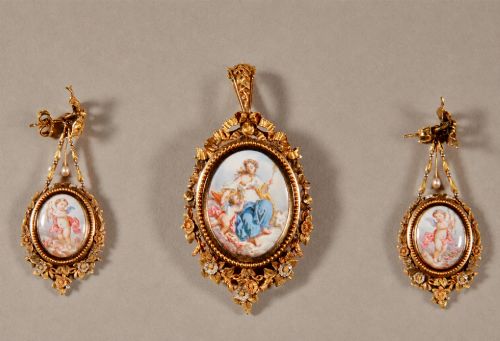
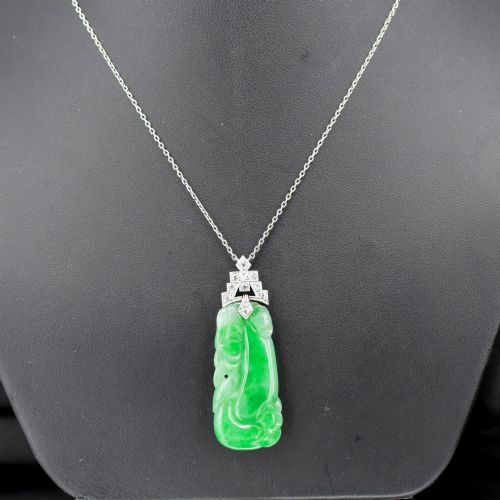
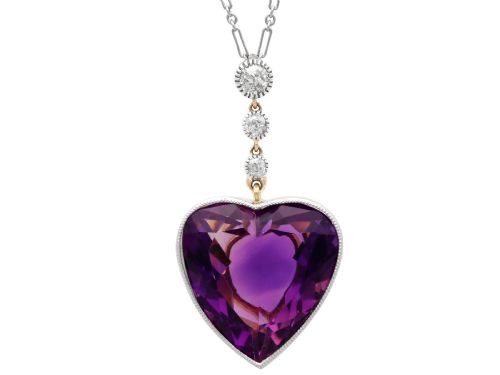
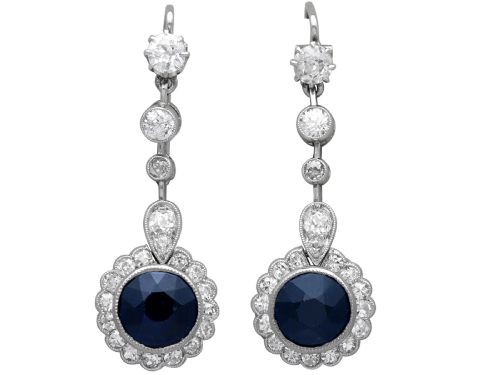
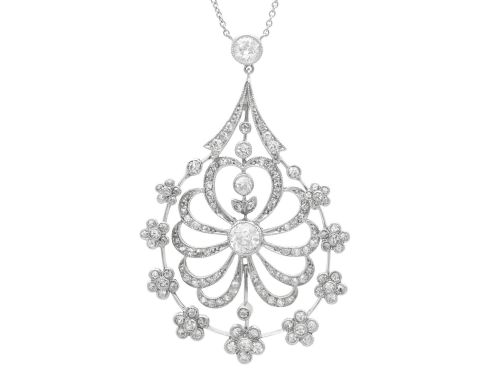
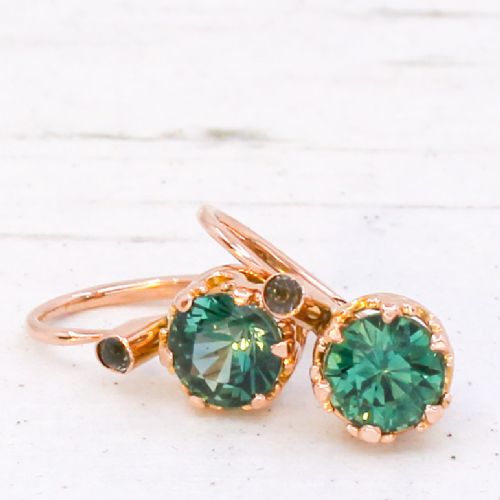
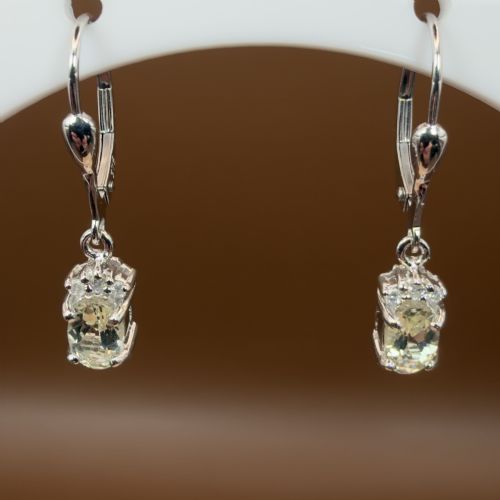
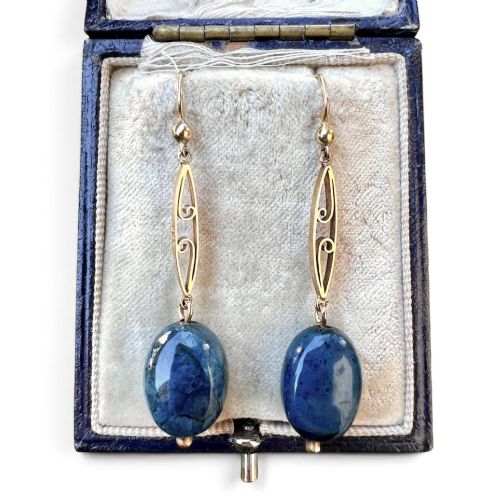
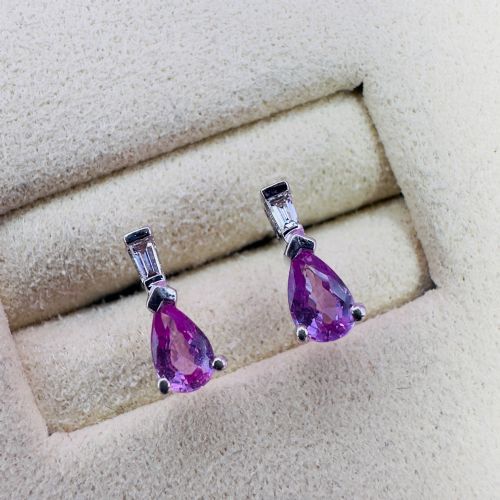
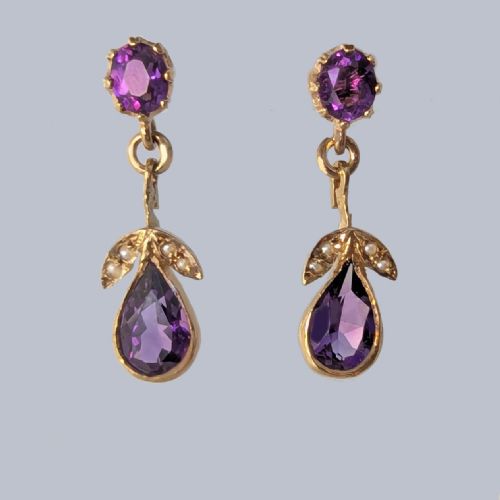
Fine jewellery drops suspend stones and metals from hooks or chains, combining movement and craftsmanship across periods from Victorian work to the mid-century.
Fine Jewellery Drops
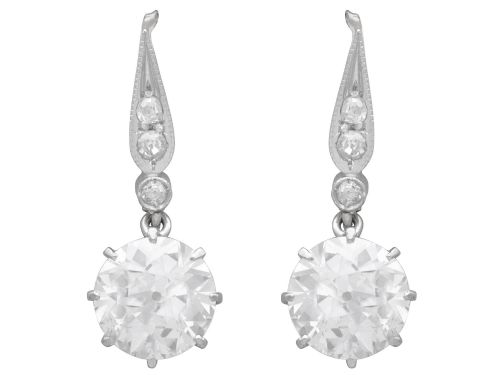
When searching for fine jewellery drops, buyers encounter articulated earrings and hanging pendants designed to catch the light with every movement. These items span from the late nineteenth century through the Edwardian era and the Art Deco period into the mid-twentieth century.
How they were made
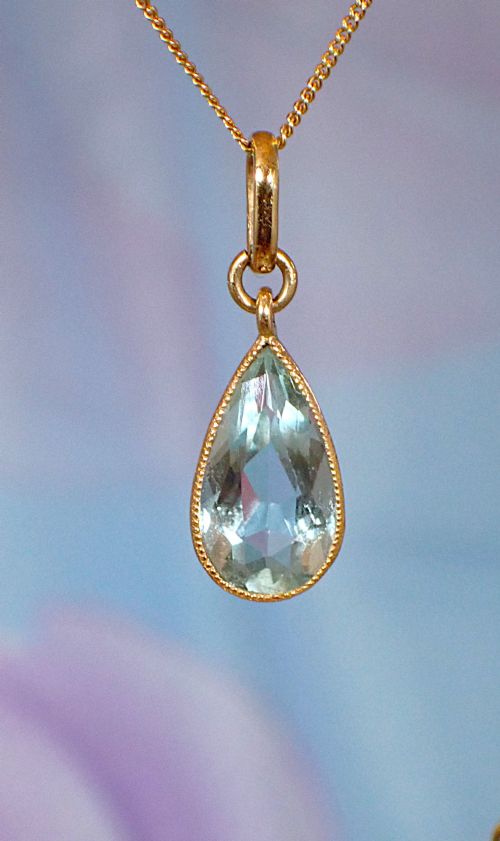
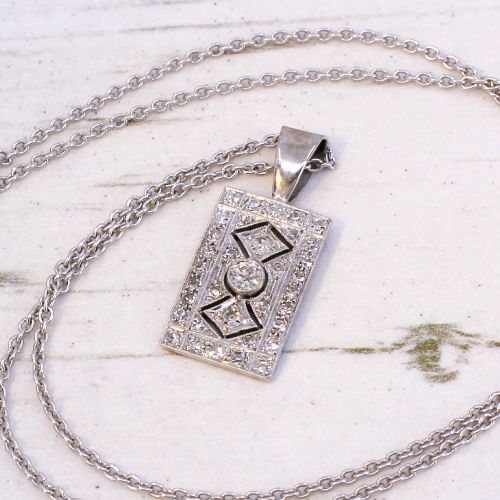
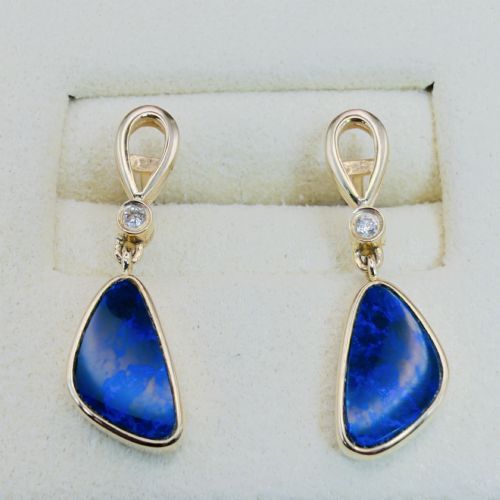
Metals such as platinum, silver, and various purities of gold provide the structural framework for these drops, often paired together during the Edwardian period to contrast white metal against yellow gold backs. Stones are secured using millegrain edges, bezel settings, and delicate claw mounts that highlight the cut of the gem.
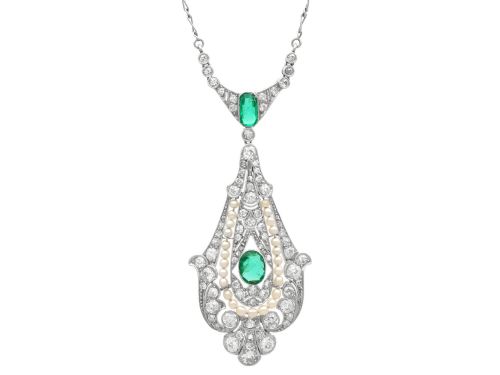
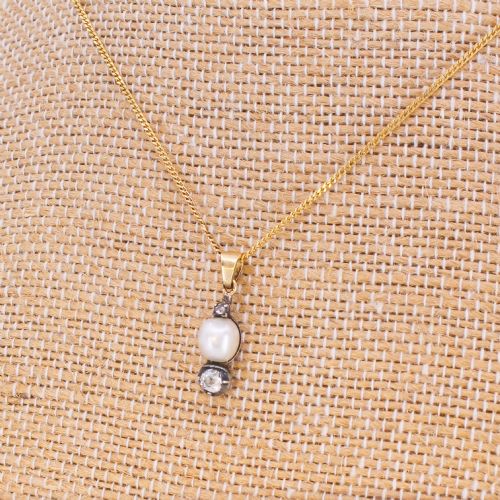
Gemstones include old-cut diamonds, seed pearls, natural pearls, and coloured stones like emerald, amethyst, and aquamarine. Goldsmiths utilised piercing and fine wirework to create flexible joints and lightweight mounts that allow the hanging elements to sway naturally.
Fine Jewellery Drops Retail Price Guide 2026
Typical asking prices for fine jewellery drops among the pieces listed under this phrase on Sellingantiques today, from the lower quarter to the upper quarter. They describe what is for sale here now, not the wider market.
Materials range from platinum and yellow gold to seed pearls, coral, amethyst, aquamarine, and diamond.
What varies in quality
Quality rests upon the proportion and matching of the stones, particularly where graduated diamonds or paired coloured gems form the drop. Finer examples display meticulous attention to the reverse of the setting, with open-back mounts that permit light to pass directly through the pavilion.
The precision of the metalwork distinguishes superior pieces, visible in the neatness of millegrain borders and the durability of articulated hinges. Original elements, such as matching chains on pendants or intact hook fittings, elevate the integrity of an antique drop.
The Fine Jewellery Drops Glossary
- Drop earrings
- Earrings designed to suspend below the earlobe rather than rest directly against it, introducing movement.
- Millegrain
- A decorative technique featuring a row of tiny raised metal beads along the edge of a setting, common in Edwardian and Art Deco pieces.
- Old-cut diamond
- A diamond cut before modern brilliant standards, typically possessing a smaller table, higher crown, and open culet.
- Lavalier
- A pendant necklace featuring a central stone or drop suspended from a smaller motif along a fine chain, popular in the early twentieth century.
- Bezel setting
- A method of securing a gemstone where a thin metal collar wraps entirely around the girdle of the stone.
Fine Jewellery Drops: Frequently Asked Questions
How do I care for antique drop earrings?
Store these pieces individually in soft pouches to prevent stones from scratching one another. Avoid ultrasonic cleaners, especially for pearls and softer coloured gems, and wipe them gently with a dry cloth after wearing.
Check the hinge backs and hook connections periodically to ensure the metal has not worn thin through regular use. Professional inspection helps maintain the security of old-cut stones in their original mounts.
What is the difference between a pendant and a drop?
A pendant hangs specifically from a neck chain, whereas a drop can refer to earrings or necklace components that suspend below a fixed point. Both designs share the primary characteristic of movement.
Necklace drops often incorporate articulated links to ensure the central stone faces forward during wear. Pendants rely on the drape of the chain to maintain their central position on the chest.
How can I tell an Edwardian drop from an Art Deco one?
Edwardian drops typically feature platinum-topped gold, delicate filigree, and floral or bow motifs set with pearls and old-cut diamonds. The aesthetic emphasises lightness, lace-like metalwork, and flowing curves.
Art Deco drops introduce geometric precision, strong vertical lines, and contrasting coloured stones like sapphires or emeralds alongside diamonds. These pieces favour stark symmetry and angular settings over organic floral shapes.
Can I wear these everyday?
Many antique drops withstand regular wear if handled with care, though delicate seed pearls and high-carat gold require mindfulness. Removing earrings before sleeping or exercising prevents strain on the hooks and hinges.
Sturdier platinum and diamond configurations from the early twentieth century handle daily rotation well. Inspecting the prongs and settings annually ensures the gemstones remain secure during routine use.