

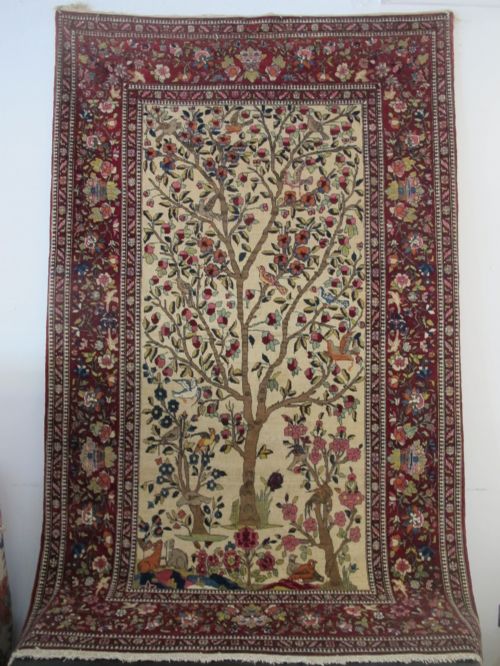


Fine Hand Knotted Rug
A fine hand knotted rug brings the rich texture and enduring craft of nineteenth and early twentieth-century weaving directly into a room.
Fine Hand Knotted Rug
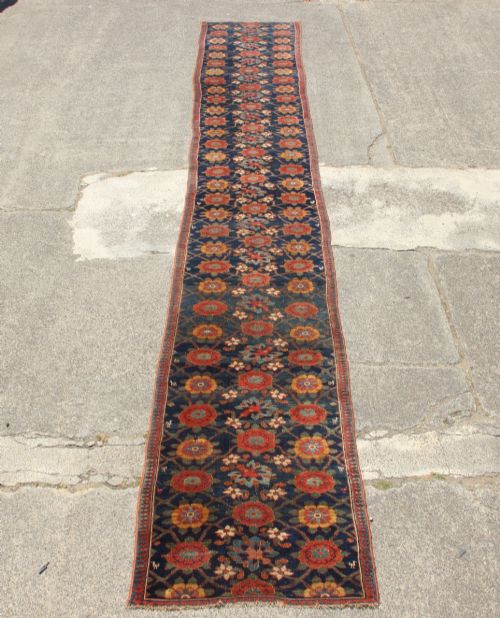
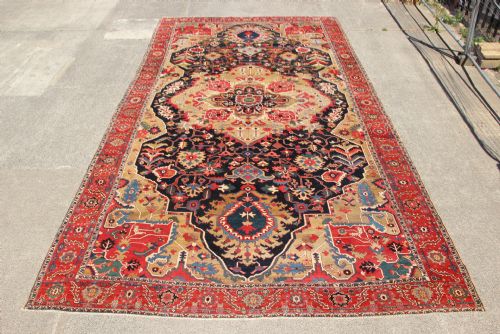
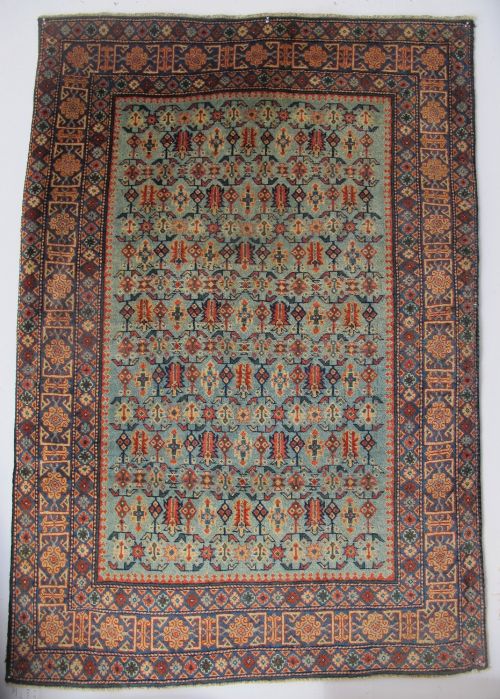
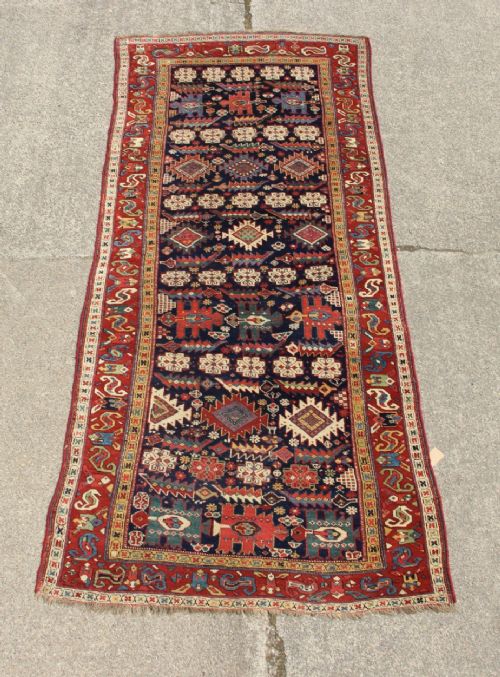
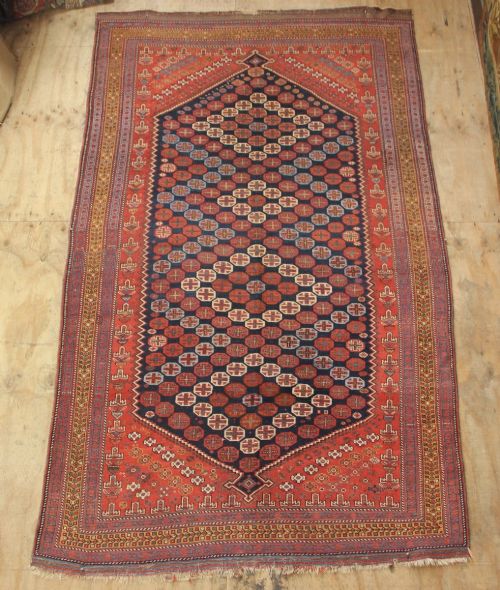
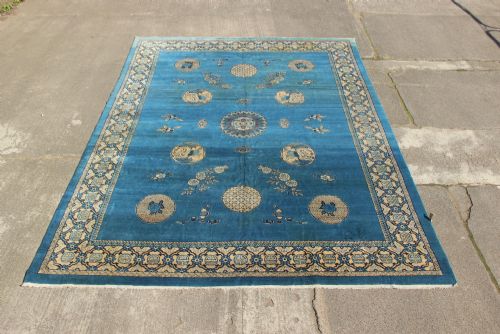
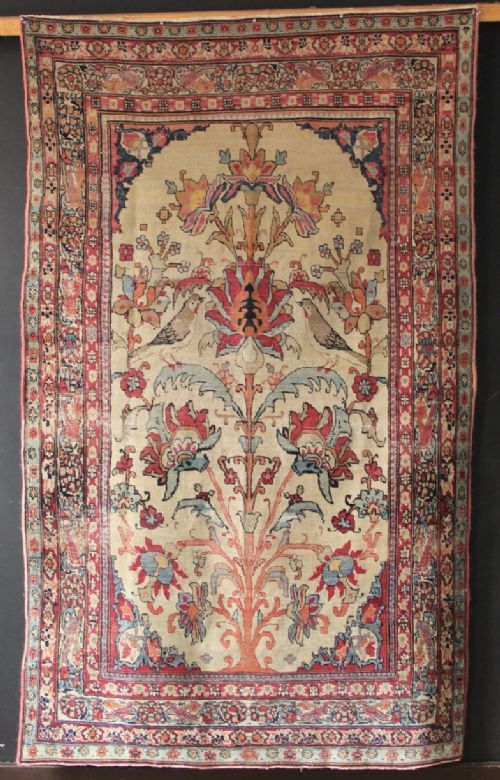
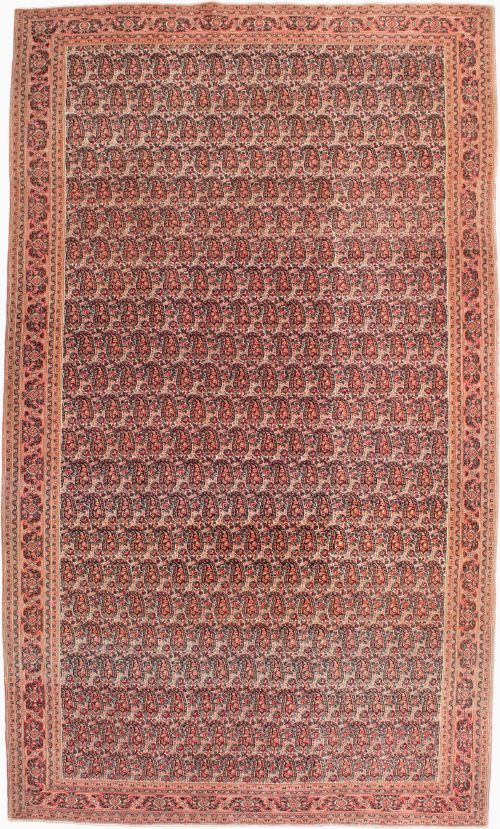
A fine hand knotted rug encompasses traditional floor coverings and carpets originating primarily from Persian, Caucasian, and regional workshops dating from the mid-nineteenth century through to the early twentieth century. These textiles include standard area sizes, hearth-sized mats, long runners, and large room-scale carpets created for domestic use or decorative display.
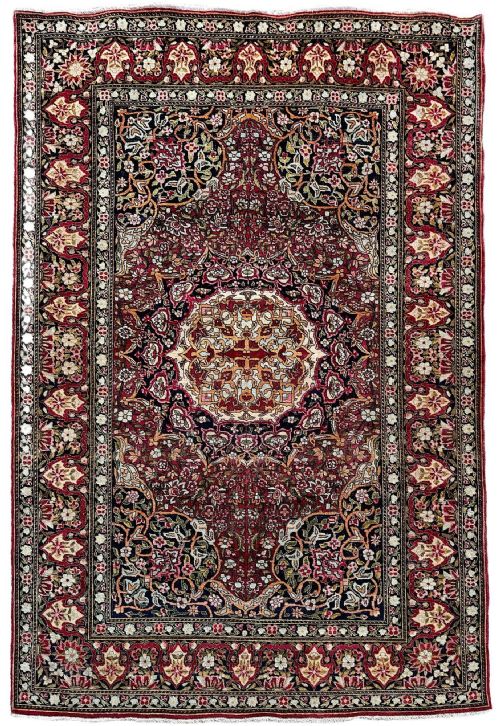
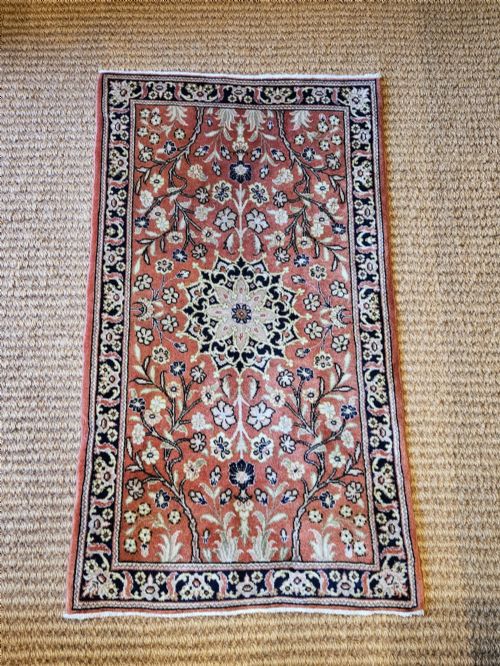
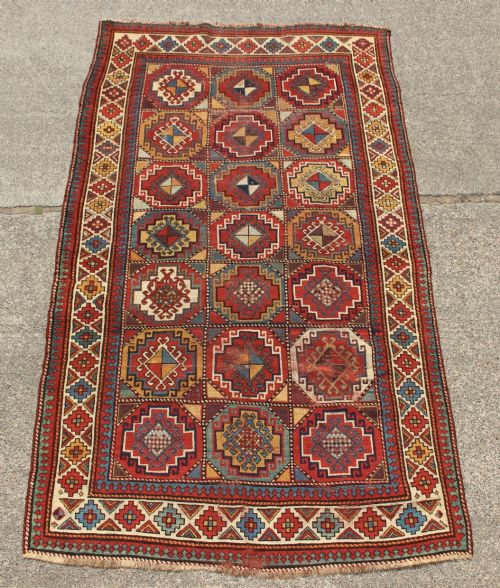
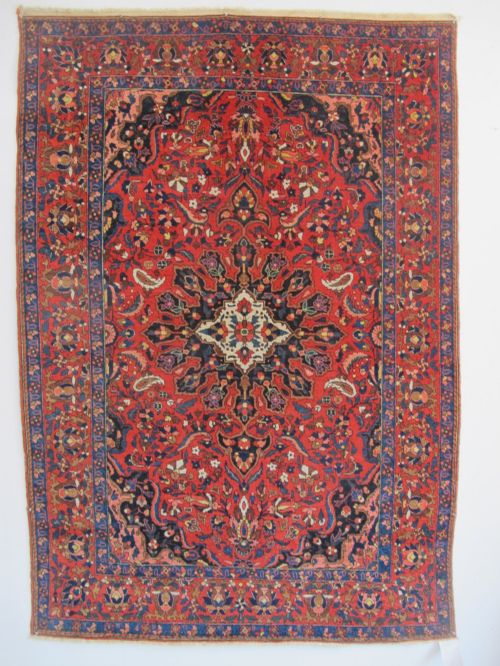
The pieces encountered most frequently on this page span the Victorian and Edwardian eras, featuring regional styles such as Tabriz, Heriz, Isfahan, Kashan, and various tribal weaves. They range from compact corridor runners to expansive room carpets, showcasing structured medallion layouts, all-over floral repeats, or geometric tribal patterns.
Buyers select these items to anchor traditional or eclectic interiors with genuine historical textiles that display authentic regional motifs. Each piece reflects the specific aesthetic traditions of its weaving origin, whether that involves the geometric precision of Caucasian work or the refined curves of Persian city carpets.
Materials and Technique
The foundational construction relies on natural fibres, predominantly wool and cotton, alongside occasional examples utilising fine silk. Weavers employed hand-spun wool for its resilience and capacity to hold rich coloration, mounted on sturdy cotton or wool foundations.
Colour comes from natural dyes applied to the yarns before knotting, producing deep and stable hues that weather decades of use gracefully. The intricate patterns emerge through meticulous hand-knotting techniques executed across dense vertical warps and horizontal wefts.
Object forms on this page range from compact face torbas and hearth rugs to extensive room-sized carpets and long corridor runners.
Factors of Quality
Knot density dictates the clarity of the design, with finer weaves allowing for intricate floral curves and precise geometric outlines. The complexity of the design scheme, from simple tribal repeats to elaborate pictorial or medallion compositions, reflects the skill invested by the maker.
The selection of materials plays a major role, distinguishing standard wool carpets from exceptionally fine silk pieces or those utilising superior hand-spun yarns and natural dyes. Overall condition, structural integrity, and the preservation of original edge finishes and ends further separate examples across the range.
Mohtasham Kashan·Ahmadi Isfahan
The Fine Hand Knotted Rug Glossary
- Warp
- The vertical threads stretched tightly on the loom that form the structural foundation of the textile. The visible fringes at either end of the rug are the extensions of these warps.
- Weft
- The horizontal threads passed alternately over and under the warp threads after each row of knots to bind the structure together. It secures the pile firmly in place.
- Pile
- The durable surface of the rug formed by the cut ends of the knotted yarn. The height and density of this fibrous layer determine the tactile feel and visual depth.
- Medallion
- A distinct central ornamental design motif placed in the middle of the field. This symmetrical feature is common in classical Persian and regional carpet layouts.
- Runner
- A long, narrow format designed specifically for corridors, hallways, or staircases. These pieces provide linear coverage while displaying repeating border and field patterns.
Fine Hand Knotted Rug: Frequently Asked Questions
How do I clean an antique rug?
Maintenance requires gentle surface care rather than aggressive washing to preserve the natural wool fibres and dyes. Professional cleaning by a specialist in antique textiles is recommended when deep maintenance becomes necessary.
Regular, cautious vacuuming without a rotating power brush helps remove embedded dust from the pile. Keeping the textile away from direct, harsh sunlight prevents the natural dyes from fading prematurely over time.
Are these rugs suitable for daily use?
Traditional construction methods using robust wool and sturdy cotton foundations make these textiles durable enough for everyday environments. Placing a quality underlay beneath the piece adds cushioning and prevents slipping on hard floors.
High-traffic areas benefit from placing sturdy runners or room carpets where foot traffic distributes evenly across the pile. Proper placement ensures the antique textile withstands regular domestic life while maintaining its structural integrity.
How do I identify the period?
Dating relies on analysing stylistic elements, material choices, structural tightness, and regional weaving characteristics recorded across comparative examples. Nineteenth-century pieces often display specific structural traits and softer dye patination acquired through age.
Comparing the border arrangements, knot structure, and secondary colours against documented regional types helps narrow down the production era. Subtle variations in the wool preparation also provide clues to the approximate decade of manufacture.