

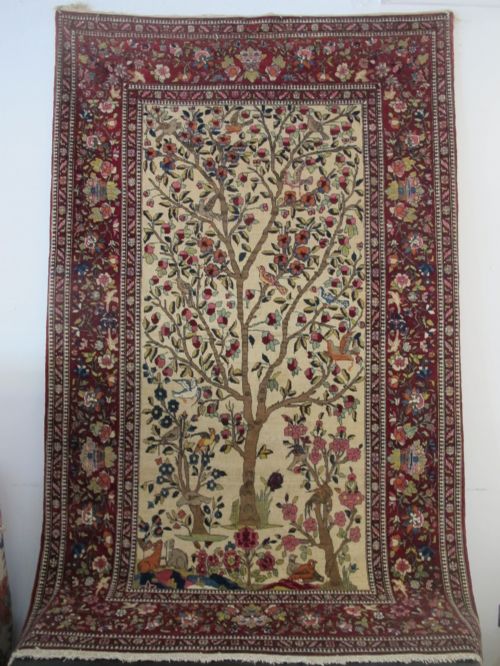


Fine Hand Knotted Carpet
When you search for a fine hand knotted carpet, you seek a durable floor covering built by hand from wool, cotton, and silk.
Fine Hand Knotted Carpet
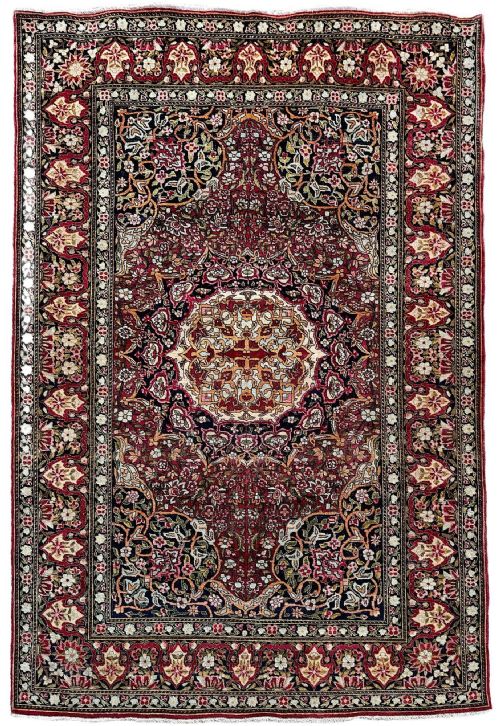
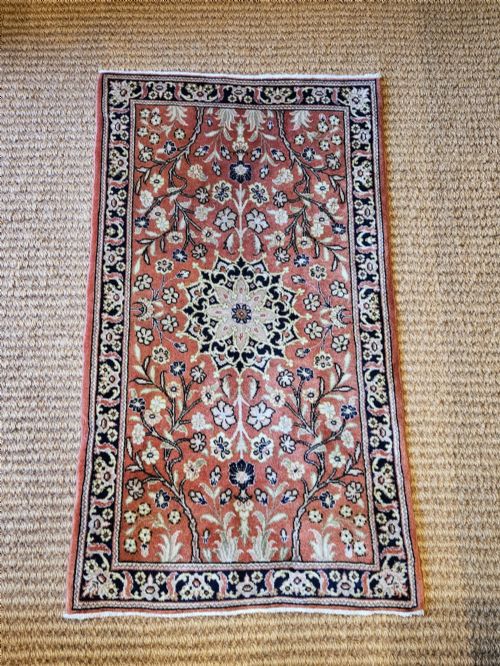
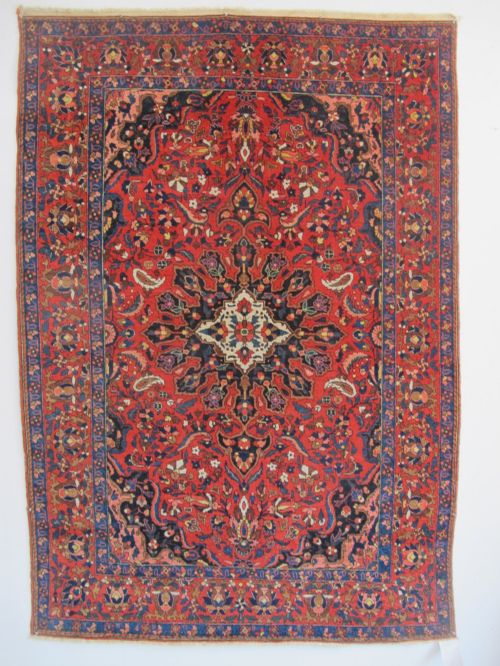
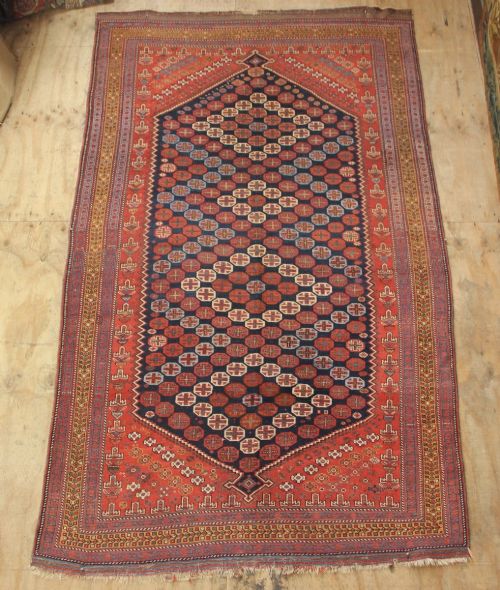
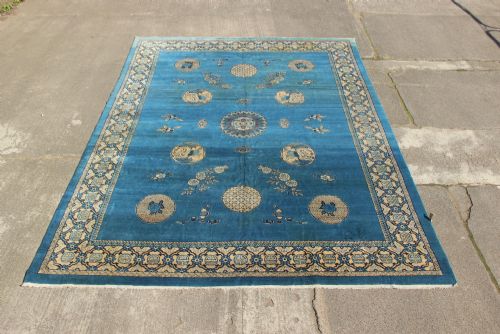
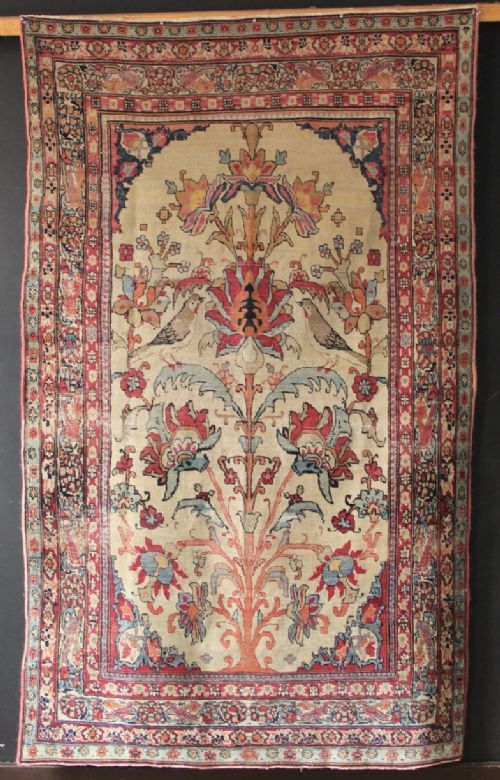
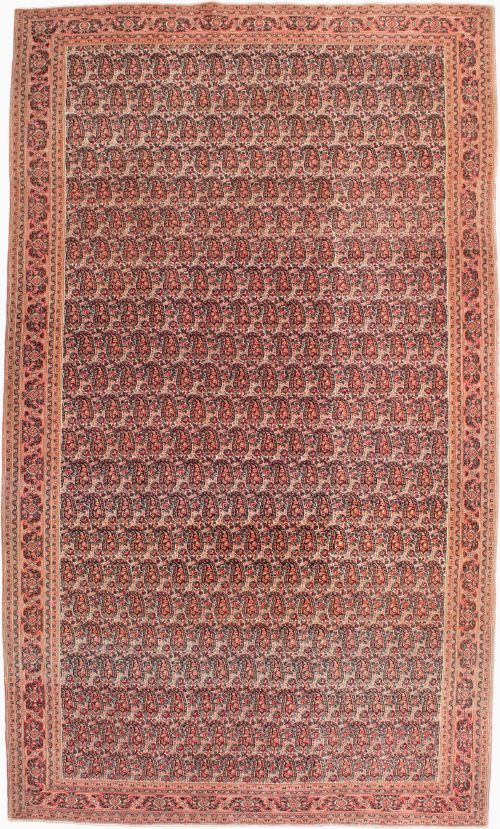
A fine hand knotted carpet brings centuries of regional weaving tradition into a domestic interior, spanning formats from small hearth rugs to large room-sized floor coverings. Buyers searching this phrase encounter examples originating from Persian centres such as Isfahan, Tabriz, and Kashan, alongside Caucasian and Chinese works.
The pieces on this page primarily date from the late nineteenth and early twentieth centuries, capturing periods of traditional craftsmanship. Forms include long runners, prayer rugs, and square formats designed for specific spatial functions in homes.
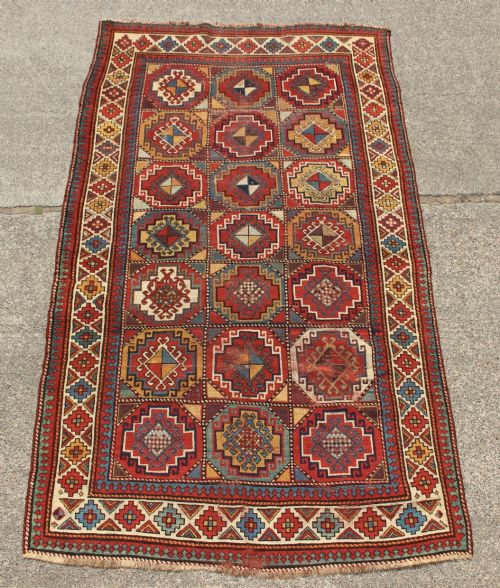
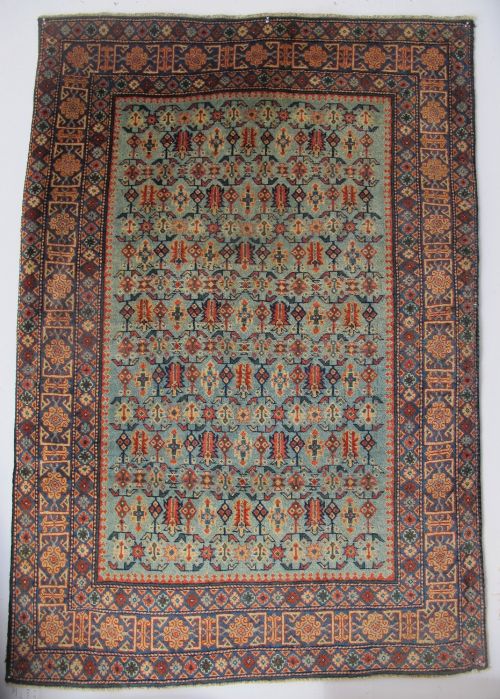
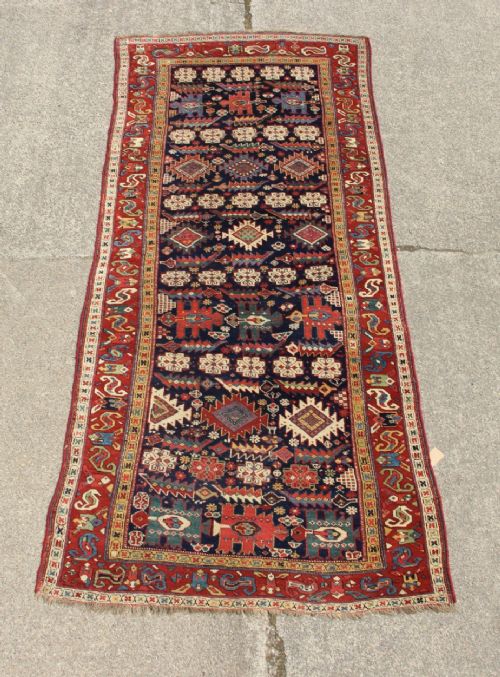
Regional styles dictate the visual structure, with traditional Persian, Kurdish tribal, and Caucasian designs dominating the selection. Each piece reflects the specific weaving vocabulary of its district, whether geometric Caucasian medallions or flowing floral Persian motifs.
Materials and construction methods
Construction relies on a foundation of cotton or wool warps and wefts, into which individual knots of hand-spun wool or silk are tied by hand. This dense knotting technique creates a flexible yet resilient textile that maintains its structural integrity over decades of use.
Dyers utilised natural dyes to colour the wool and silk fibres, producing rich tones that mellow gracefully with age. The combination of durable animal and plant fibres ensures the pile withstands regular foot traffic while retaining tactile softness.
Many antique nomadic weavers tucked small intentional flaws into their carpets to ward off the evil eye and claim humility before perfection.
Distinctions in execution and design
Quality rests on the density of the knotting and the precision of the execution, where tighter knots allow for sharper definition in complex floral or geometric patterns. Finer weaves demand greater time and skill from the weaver, resulting in a more supple handle and clearer graphic layout.
The choice of materials also divides the range, with select pieces incorporating fine silk highlights or entirely silk piles that catch the light. Furthermore, the harmony and saturation of the natural dyes distinguish superior examples from standard production.
Mohtasham Kashan·Ahmadi Isfahan
The Fine Hand Knotted Carpet Glossary
- Warp
- The vertical threads stretched lengthwise on the loom that form the foundational skeleton of the carpet. The exposed ends often appear as a fringe at either end.
- Weft
- The horizontal threads passed back and forth between the warp threads to bind the knots in place. They provide structural stability across the width of the textile.
- Pile
- The upright cut ends of the knotted yarn that form the usable surface of the carpet. Its height and density determine the plushness and durability of the piece.
- Medallion
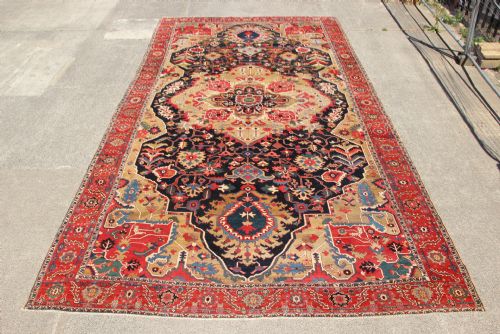
- A central ornamental design motif placed in the middle of the field. Many regional styles use this focal point to anchor the surrounding geometric or floral patterns.
- Runner
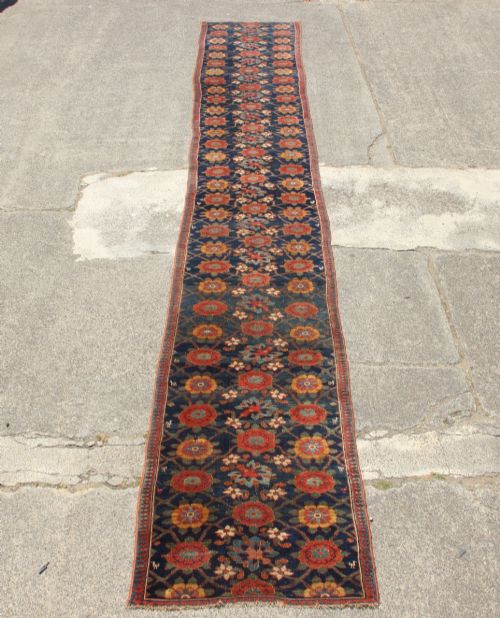
- A long, narrow carpet format traditionally used in hallways, corridors, or alongside beds. These pieces measure significantly longer than they are wide.
Fine Hand Knotted Carpet: Frequently Asked Questions
How do I choose the right size?
Measure your floor space carefully to ensure the carpet fits the room's proportions, leaving a uniform border of exposed flooring around the edges. Smaller formats suit entryways or hearths, while larger carpets anchor main living areas.
Consider how furniture placement interacts with the dimensions so that key pieces sit comfortably on or entirely off the rug.
How should I clean my carpet?
Regular gentle vacuuming without a rotating brush roll prevents dust and grit from settling deep into the wool or silk pile. Address spills immediately by blotting with a clean, dry cloth rather than rubbing.
Professional specialist cleaning is recommended for deep maintenance to protect natural dyes and delicate fibres.
Are these pieces suitable for hallways?
Long runner formats are specifically suited for corridors, hallways, and narrow spaces where foot traffic is frequent. The durable construction of wool pile handles regular walking while adding warmth to transitional zones.
Ensure a quality underlay is placed beneath the runner to prevent slipping and cushion the fibres.
How do I identify regional styles?
Study the primary motifs, such as geometric medallions in Caucasian pieces or intricate floral vases in Persian Kashan and Isfahan works. The colour palette and border arrangements also point directly to specific towns or tribal groups.
Comparing knot structure and foundation materials helps confirm the geographical origin of older textiles.