



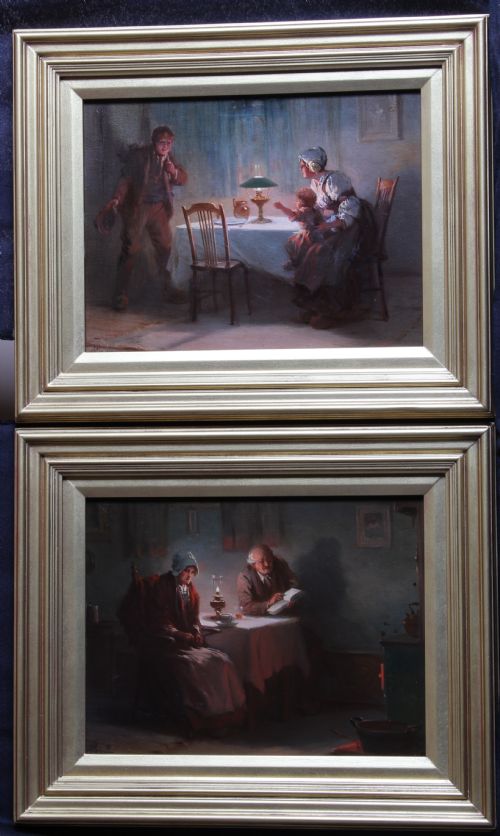


Fine Art Oil Pair
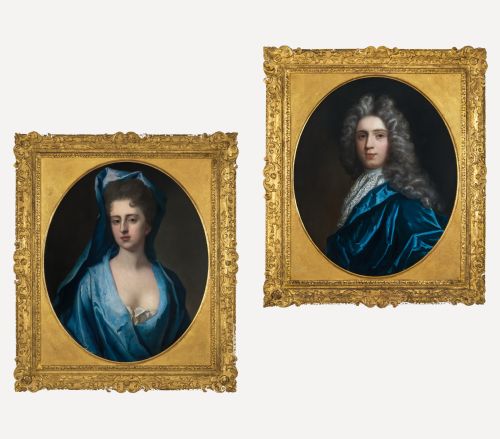
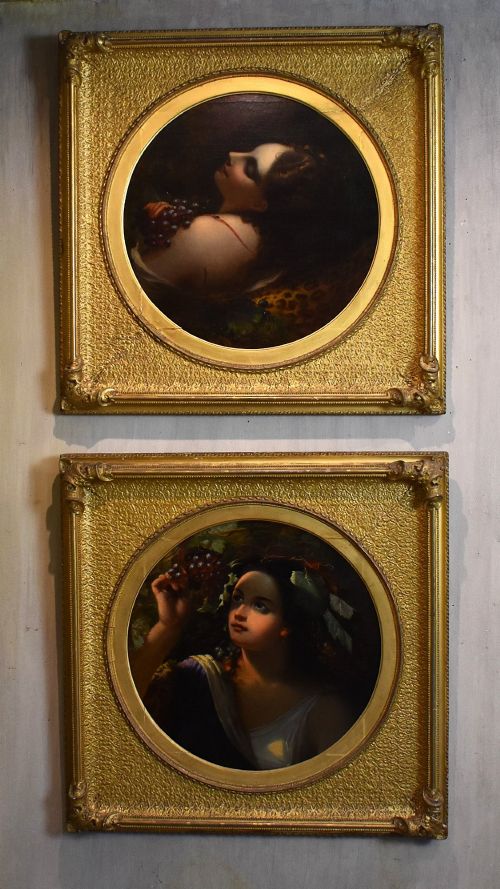
A fine art oil pair brings matched balance to a room, offering two complementary oil paintings that share a single hand, period or subject.
Fine Art Oil Pair
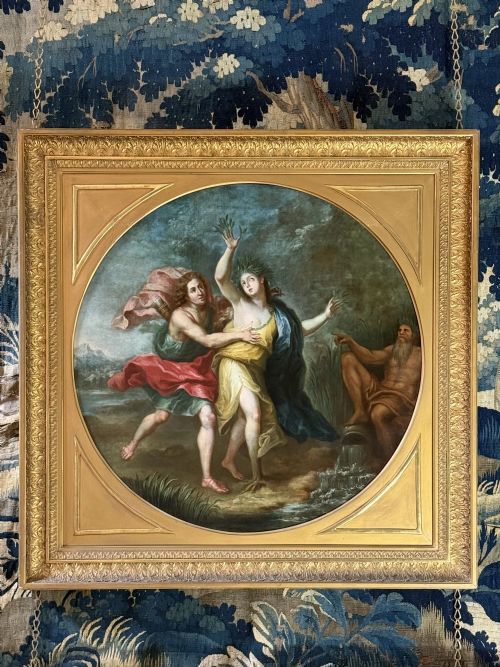
A fine art oil pair consists of two related oil paintings conceived together, most commonly found as portraits of husbands and wives, companion landscapes or paired still lifes. These works span from the seventeenth century through to the early twentieth century, taking in Dutch Golden Age, Victorian, Georgian and French Rococo styles.
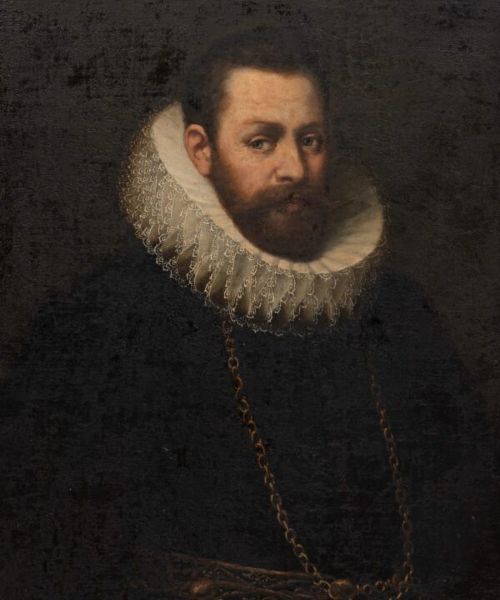
The most frequent examples encountered here are nineteenth-century and eighteenth-century portraits of gentlemen and ladies, alongside Dutch forest scenes, marine views and floral still lifes. They originate from various European traditions, including English, Dutch, Spanish and Italian schools.
Matched compositions often hang together to create symmetry in a drawing room or study, maintaining consistent scale, palette and framing across both canvases.
Materials and construction
These works are painted in oil paint on canvas or board, utilising traditional grounds and supports appropriate to their respective periods. The physical structure of each piece relies upon wooden stretcher frames that tension the canvas.
Many of these paintings are housed in original or period frames constructed from wood and gesso, finished with gold leaf or giltwood. Composition ornaments are frequently applied to elaborate frames to create intricate moulded details.
Fine Art Oil Pair Retail Price Guide 2026
Typical asking prices for fine art oil pair among the pieces listed under this phrase on Sellingantiques today, from the lower quarter to the upper quarter. They describe what is for sale here now, not the wider market.
Listings feature works from the seventeenth, eighteenth and nineteenth centuries, including Victorian and Georgian periods.
Distinctions in quality
Quality in a fine art oil pair rests upon the mastery of the brushwork and the expressive depth achieved by the artist, distinguishing skilled hand-painted execution from more formulaic studio output. Cohesion between the two companion pieces also matters, as successful pairs maintain equal vigour and balance in composition.
The preservation of the original surface and the condition of the giltwood or gesso framing contribute significantly to the integrity of the pair. Works by recorded historical painters command attention for their documented provenance and technical execution.
Michael Dahl·Thomas Murray·Charles Antoine Coypel·Theodore Jensen·Abraham Hulk I·Pieter Cornelis Dommersen·Jan Evert Morel·Francois Boucher·Alfred Vickers Senior·Nicolaes Maes·Joseph Emmanuel Weiser·Walter Meegan·George Augustus Williams·John Holland Snr
The Fine Art Oil Pair Glossary
- Oil on canvas
- Pigments bound in a drying oil, typically linseed, applied to a woven fabric support. This combination allows for rich colour blending and textured impasto.
- Giltwood
- Wood, such as oak or pine, that has been carved and coated with gold leaf. It forms the traditional ornate framing for many historical paintings.
- Gesso
- A paint mixture consisting of a neutral binder mixed with chalk, gypsum or pigment. It is applied to wood frames to create a smooth surface for gilding.
- Dutch Golden Age
- A period in Dutch history spanning the seventeenth century noted for exceptional achievements in painting. Works from this tradition often feature detailed portraiture and landscapes.
- Genre painting
- The pictorial representation of scenes from everyday life. These works depict ordinary people engaged in common activities rather than grand historical narratives.
Fine Art Oil Pair: Frequently Asked Questions
Why were paintings created as pairs?
Companion paintings were traditionally commissioned to balance symmetrical architectural spaces within a home, such as either side of a fireplace or doorway.
In portraiture, a husband and wife were routinely painted on separate canvases of identical dimensions to hang together as a matrimonial pair.
How should I hang a matched pair?
Hang the two canvases at equal height, keeping the centres at standard eye level to create visual harmony on the wall.
Ensure the distance between the frames allows them to read as a single unified display without crowding the surrounding space.
How do I care for antique oil paintings?
Keep the paintings away from direct sunlight and maintain stable room temperatures to prevent the canvas and wooden stretchers from warping.
Dust the frames gently with a soft, dry brush and avoid applying any liquid cleaners directly to the painted surface.
How can I tell the period of the frame?
Period frames often display hand-carved wooden mouldings, traditional gesso application and genuine gold leaf that shows subtle signs of age.
Construction techniques, such as corner joinery and the type of wood used behind the gilding, help indicate whether a frame is original to the canvas.