



Fine Art Oil Landscape
Fine art oil landscape paintings capture natural scenery using oil pigments on canvas or wood panel, bringing historical views and rural atmospheres directly into a room.
Fine Art Oil Landscape
A fine art oil landscape presents a painted view of natural terrain, rural vistas, or coastal scenes created primarily during the eighteenth, nineteenth, and early twentieth centuries. These works span distinct regional movements, including British Impressionism, Scottish Impressionism, and continental European schools.
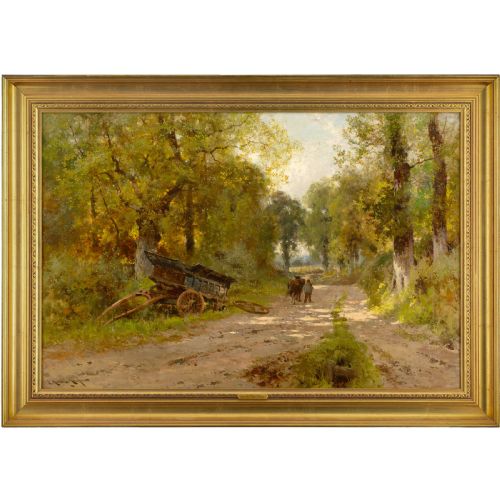
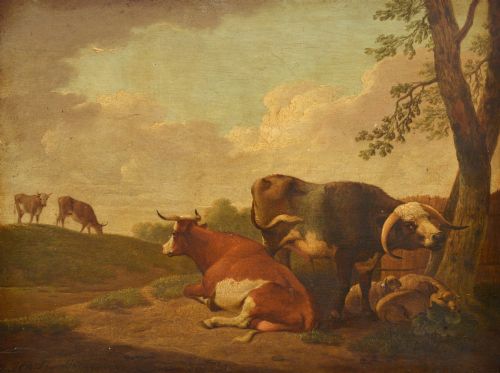
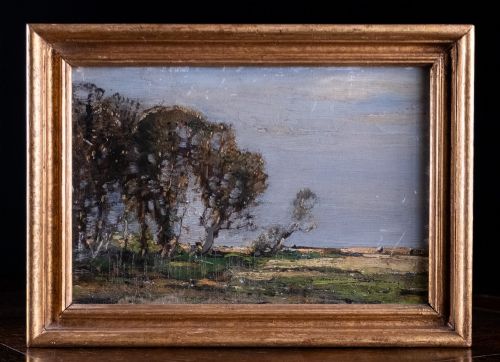
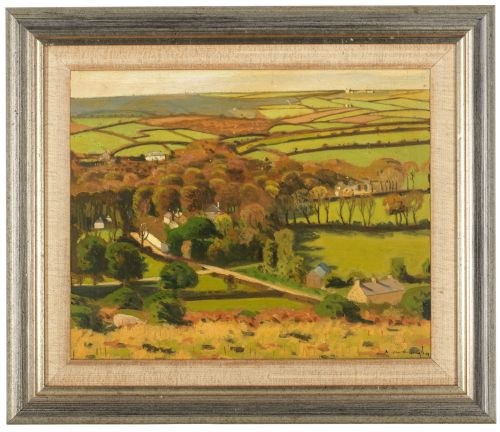
Buyers frequently encounter nineteenth-century rural views featuring pastoral scenes with livestock, river paths, and wooded tracks alongside later twentieth-century modernist interpretations. The selection encompasses both framed gallery pieces and smaller oil studies on wood panel or board.
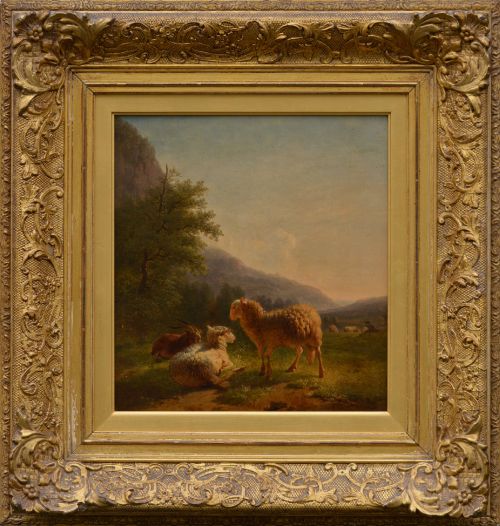
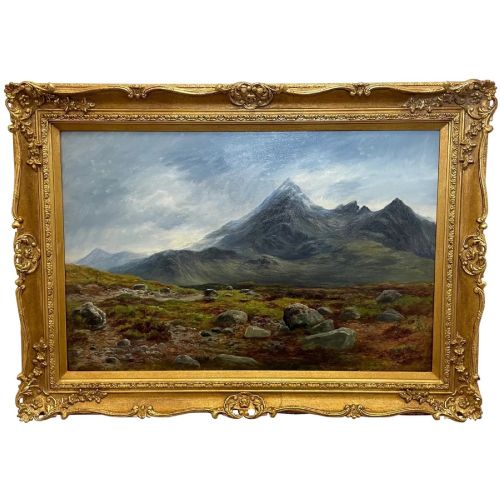
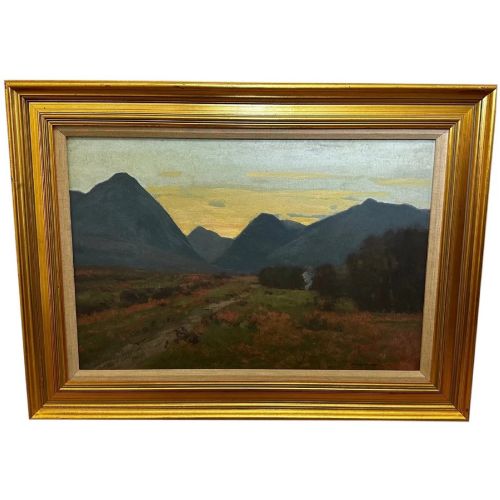
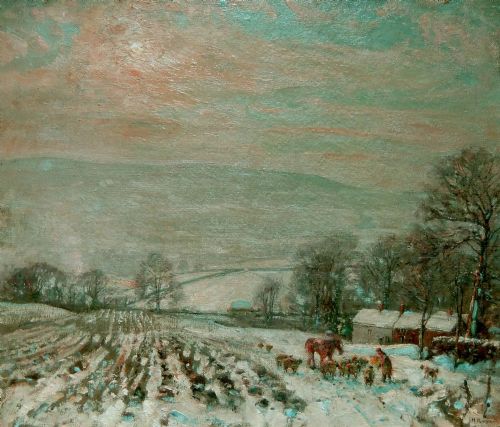
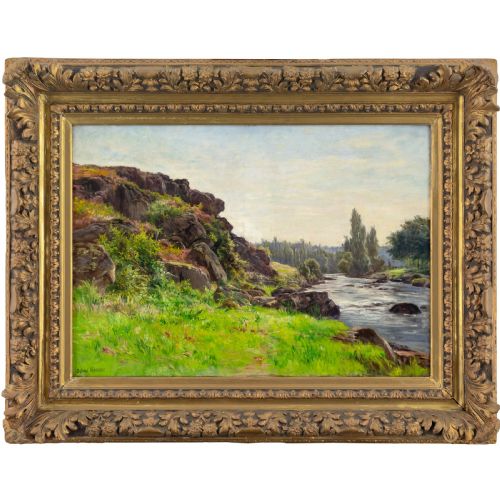
Subject matter ranges from quiet countryside rivers and highland sheep pastures to Venetian canals and mythological settings framed by open skies. Each canvas records the specific topography and atmospheric conditions observed by the painter during its creation.
How They Were Made
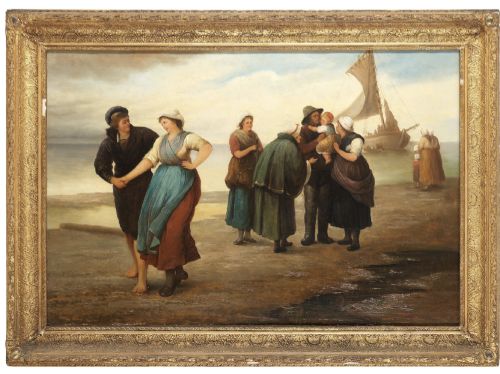
These works rely on oil paint applied to prepared canvas, wood panel, or board substrates, often framed within decorative swept gilt wood or gesso mouldings. Painters built up pigment through layered brushwork to achieve depth in foliage, water, and atmospheric skies.
The physical support dictates much of the texture, with heavy-weave canvas retaining distinct brush marks while wood panels provide a rigid, smooth ground for finer detail. Many historic pieces retain their original gilded plaster frames, which complement the tones of the oil pigments within.
Represented subjects include highland sheep pastures, coastal paths, Venetian canals, and quiet wooded riverbanks.
What Varies in Quality
Quality rests upon the artist's ability to manipulate light and atmosphere, distinguishing fluid, confident brushwork from rigid or formulaic composition. Superior examples demonstrate a careful balance of tone and perspective that draws the viewer into the depicted space.
The preservation of the original paint surface and the integrity of the support material determine the longevity and visual impact of the work. Finely carved or moulded gilt wood frames that match the period of the painting further elevate the overall presentation.
Eugène Verboeckhoven·William Beattie Brown·Tom Campbell·Frederick Marriott·John Horace Hooper·Hendrik Willem Schweickhardt·Kershaw Schofield·George Houston·Herbert Royle·Robert Morson Hughes·Gabriel Mathieu·Jacob Philipp Hackert·Alfred Pollentine·Peter Brannan·Harald Foss·Alfred East·John Lowrie Morrison·Charles Hunt·Adriana Verelst·Abraham Cooper·Joseph Farquharson·Paul Désiré Trouillebert·Umberto Volpato·Thomas Hodgson Liddell·Robert Watson
The Fine Art Oil Landscape Glossary
- Oil on Canvas
- Pigment bound in drying oil applied to a stretched woven fabric support. This traditional medium allows for rich blending of colours and textured impasto effects.
- Gilt Wood
- Timber substrate coated with a thin layer of gold leaf or metallic powder. It provides a reflective, ornate border that enhances the colours of the painting.
- Gesso
- A paint mixture consisting of a binder mixed with chalk, gypsum, or pigment used to prepare wood or canvas surfaces. It creates a smooth, durable ground for oil painting.
- Wood Panel
- A rigid flat piece of timber used as a painting support instead of fabric. Panels offer a stable surface that prevents the cracking often seen on aged canvas.
- Impressionism
- A nineteenth-century painting style characterised by relatively small, thin yet visible brush strokes and open composition. It prioritises an accurate depiction of light and its shifting qualities.
Fine Art Oil Landscape: Frequently Asked Questions
What is a fine art oil landscape?
A fine art oil landscape is an original painting executed with oil-based pigments on canvas, wood, or board that depicts natural scenery, countryside vistas, or coastal views. These artworks utilise the versatility of oil paint to render subtle changes in light, weather, and foliage.
Created across various historical periods, these pieces serve as both historical records of changing rural environments and decorative works designed for display in domestic interiors.
How do I date an oil landscape?
Dating an oil landscape involves examining the style of the painting, the type of canvas or wood support, and the construction of the frame. Victorian and earlier works often feature hand-stretched canvas on pegged wooden strainer frames and specific pigment signatures typical of their era.
Signatures, exhibition labels on the reverse, and the clothing style of any depicted figures also provide reliable clues to the exact decade of creation.
How should I display an oil painting?
An oil painting should be hung away from direct sunlight and steady heat sources to prevent the canvas from drying out or the pigments from fading. Maintaining a stable room temperature protects both the painted surface and the wooden frame from warping.
Proper wall placement also ensures the gilded frame catches ambient light without causing distracting glares on the varnish layer.
What is the difference between canvas and panel?
Canvas consists of a woven fabric stretched tightly over a wooden frame, offering a flexible surface that responds to atmospheric changes. Wood panels provide a rigid, unyielding base that often allows for finer detail and greater protection against punctures.
Both supports were used across different centuries, with panels frequently found in smaller cabinet-sized works and earlier landscape studies.