



Fine Art Country Landscape
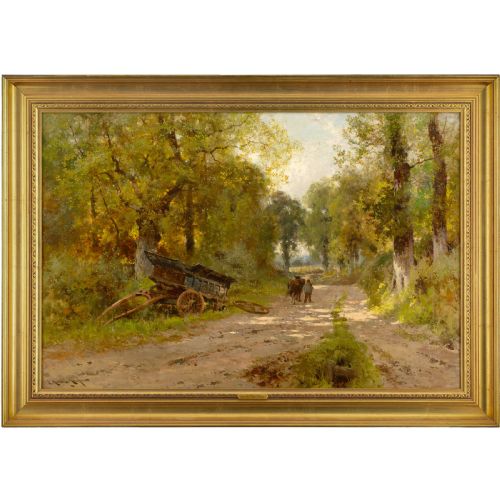
Fine art country landscape paintings capture rural life, quiet pastures, and agrarian scenes across centuries of British and European tradition.
Fine Art Country Landscape
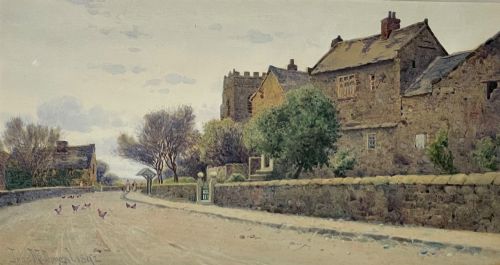
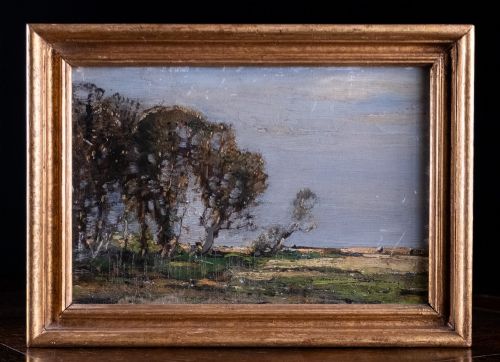
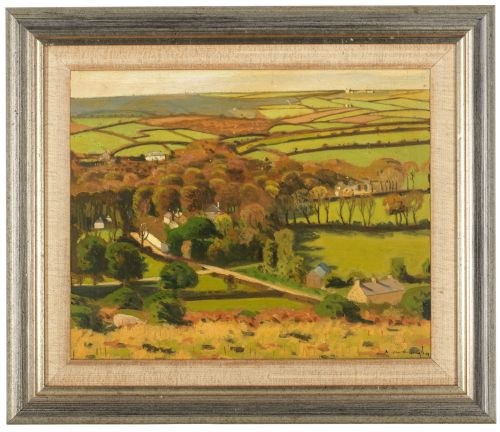
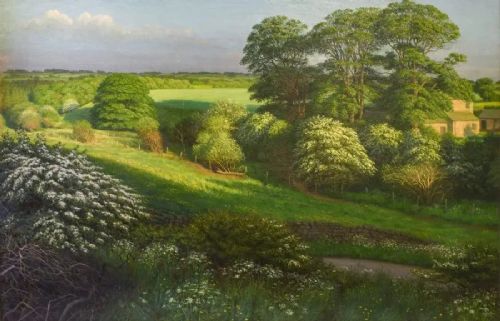
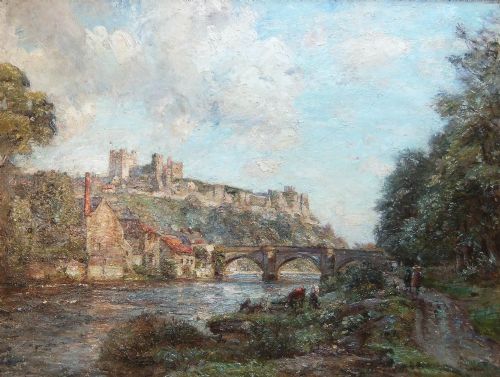
A fine art country landscape records rural vistas, village views, and agricultural scenes executed by professional artists across the eighteenth, nineteenth, and early twentieth centuries. These works reflect changing attitudes towards the countryside, moving from idealised pastoral compositions to more direct realism and impressionistic light studies.
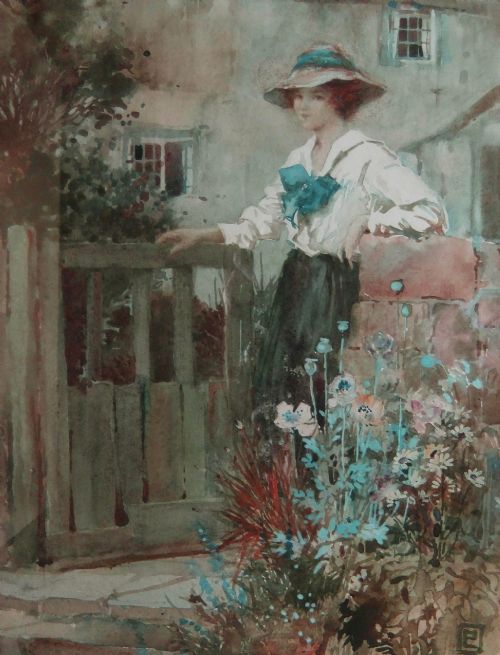
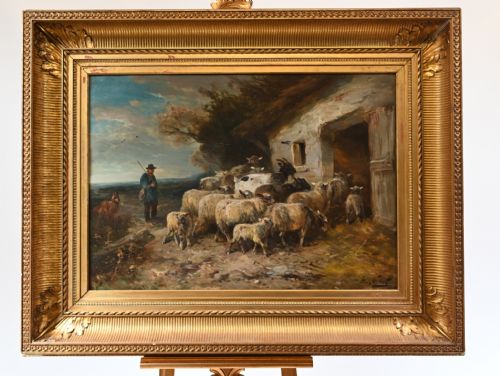
The most common examples on this page are oil paintings on canvas or board and watercolour paintings on paper, often housed in period giltwood frames. Subjects range from quiet riverside paths and Yorkshire dales to farmyards populated by cattle, sheep, and heavy horses.
Pieces span multiple periods including the Georgian era, Victorian period, and Edwardian decades, capturing regional British locations alongside continental European scenes influenced by the Barbizon School.
Materials and methods behind the canvas
Artists relied primarily on oil paint applied to stretched canvas or prepared wooden boards, building up layers from dark earth underpaintings to rich highlights. Watercolours on paper offered a lighter, more immediate medium often utilised for topographical views and rapid plein air sketches.
Frames play a crucial role in the presentation of these works, frequently constructed from wood adorned with gesso mouldings and finished in gold leaf or gilt. Some nineteenth-century canvases utilise structural reinforcement, such as earlier canvases laid down onto modern backing boards for stability.
Listings feature works spanning the Georgian, Victorian, and Edwardian eras, executed in oil and watercolour across British and French provincial landscapes.
Distinguishing quality in pastoral art
Quality rests in the confidence of the brushwork and the artist's command of natural light, atmospheric perspective, and anatomical proportion in figures and livestock. Superior works demonstrate deliberate composition that guides the eye naturally through the rural space rather than relying on formulaic tree framing or repetitive foliage.
The integrity of the surface and the framing choice also dictate standing, as original swept gilt frames matched to the period carry greater historical weight than modern replacements. Skilled handling of pigment texture, whether through smooth glazes or thick impasto, separates accomplished academy painters from competent jobbing artists.
John Horace Hooper·John McDougal·Kershaw Schofield·Robert Morson Hughes·Raymond Booth·Herbert Royle·Paul Désiré Trouillebert·Percy Lancaster·Henry Schouten·Edgar Woollatt·Harry Freckleton·Thomas Sidney Cooper·John Constable·William Greaves·Jean baptiste Joseph Pater·James Orrock·Eugene Verboeckhoven·George Hilditch·John Frederick Herring·George Morland·Hendricus Joseph Dillens·Ernest Higgins Rigg·James Thomas Linnell·Henri Joseph Harpinies·John Atkinson
The Fine Art Country Landscape Glossary
- Gesso
- A traditional paint mixture consisting of a binder mixed with chalk, gypsum, or pigment, used to prepare wood or canvas surfaces and to build up decorative mouldings on picture frames. This ground layer provides a smooth, stable base for gilding and fine painting.
- Giltwood
- Timber, often carved wood or composition ornament, coated with fine gold leaf or metal powder for a decorative metallic finish. It defines the traditional framing style associated with nineteenth-century oil paintings.
- Impasto
- Paint applied thickly to a canvas, standing out in relief from the plane and retaining the visible marks of the brush or palette knife. This technique introduces tactile depth and catches light across the surface.
- Watercolour
- A painting method in which the paints are made of pigments suspended in a water-based solution, typically applied to absorbent paper. It allows for translucent washes and delicate atmospheric effects.
- Barbizon School
- A nineteenth-century French art movement dedicated to realism in landscape painting, emphasising direct observation of nature, loose brushwork, and atmospheric tone. Painters associated with this group profoundly influenced European landscape traditions.
Fine Art Country Landscape: Frequently Asked Questions
How do I identify the date of a landscape painting?
Dating relies on a combination of stylistic clues, the framing, canvas stamps, and biographical details of the artist. Costume, agricultural equipment, and architectural details depicted in the scene also offer reliable chronological markers.
Signatures, exhibition labels, and inscriptions on the reverse of the stretcher or board frequently provide definitive dates or narrow down the period of execution.
Were watercolour paintings intended to be hung permanently?
Watercolours were traditionally mounted behind glass and framed just like oil paintings, though their sensitivity to light meant they required careful placement away from direct sun. Many nineteenth-century watercolours served as finished gallery pieces rather than mere preparatory studies.
Collectors often kept delicate watercolours in portfolios for seasonal rotation to preserve their fugitive pigments from fading.
What is the difference between oil on canvas and oil on board?
Canvas provides a flexible, woven textile support that absorbs paint differently and can be easily re-stretched over time. Board offers a rigid, stable wooden or paper-pulp substrate that resists sagging and puncture.
Painters often selected board for smaller plein air sketches due to its portability, whereas larger gallery commissions routinely demanded stretched canvas.
How should I care for an antique oil painting?
Preserving an oil painting requires stable indoor humidity and temperature levels to prevent cracking or warping of the wooden stretcher and canvas support. Avoid hanging works in direct sunlight or above active heat sources.
Dust should be removed gently from the surface and frame with a soft, dry brush, avoiding any moisture or chemical cleaning agents.