

Fine Necklace
A fine antique necklace brings together period gold, platinum, pearls and gemstones in wearable pieces spanning the Victorian era to the mid-century.
Fine Necklace
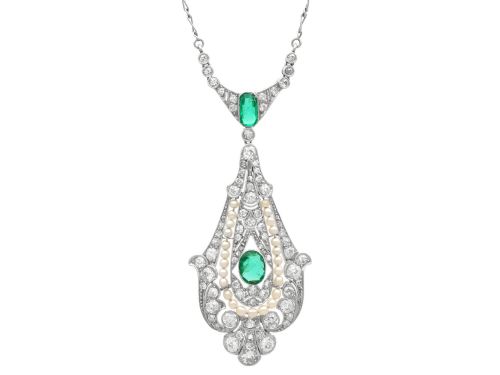
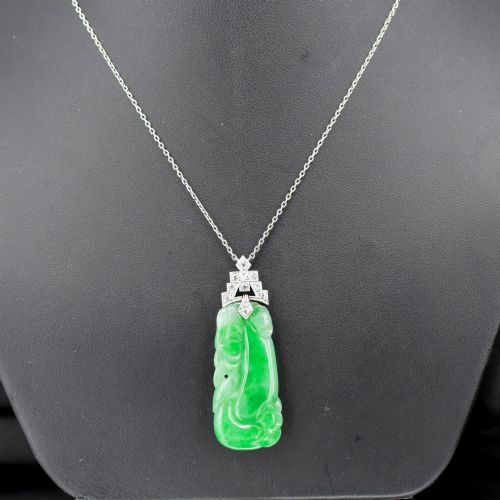
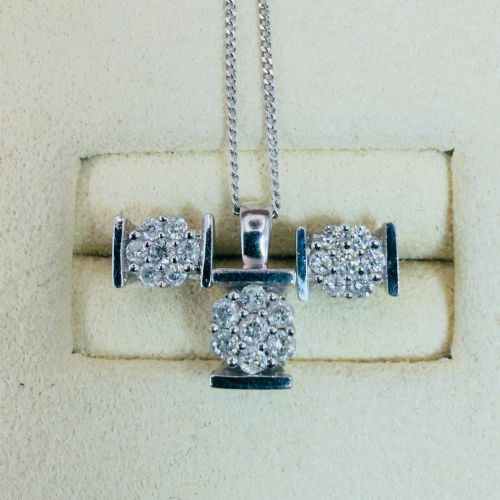
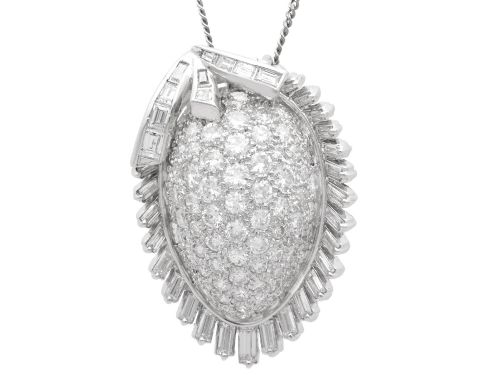
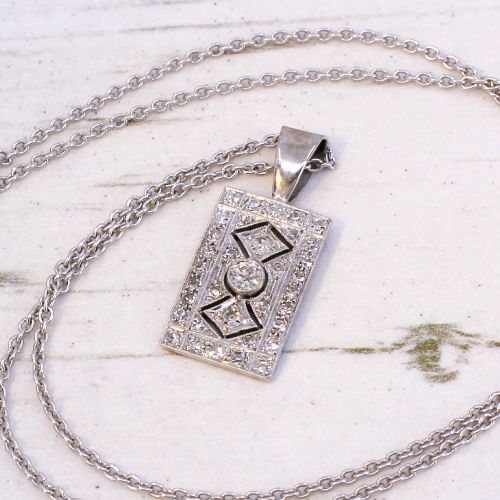
A fine antique necklace encompasses pendants, chains, chokers and multi-strand pearl arrangements spanning the Victorian, Edwardian, Art Deco and mid-century periods. Buyers searching for a fine antique necklace encounter delicate lavalier pendants set with seed pearls alongside platinum diamond drops and substantial gemstone clusters.
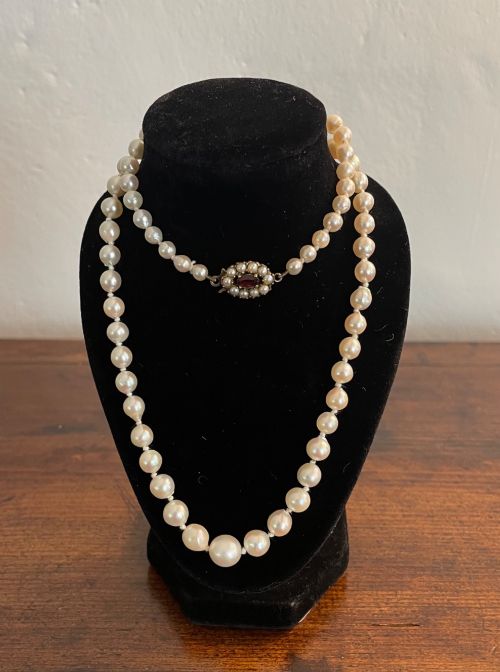
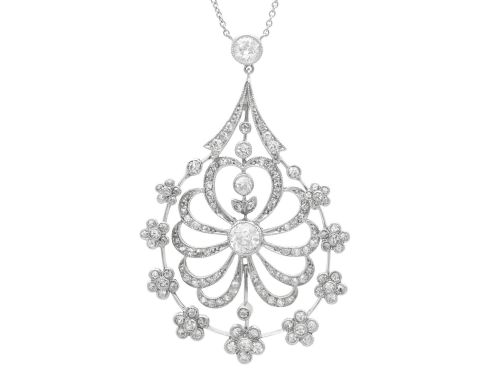
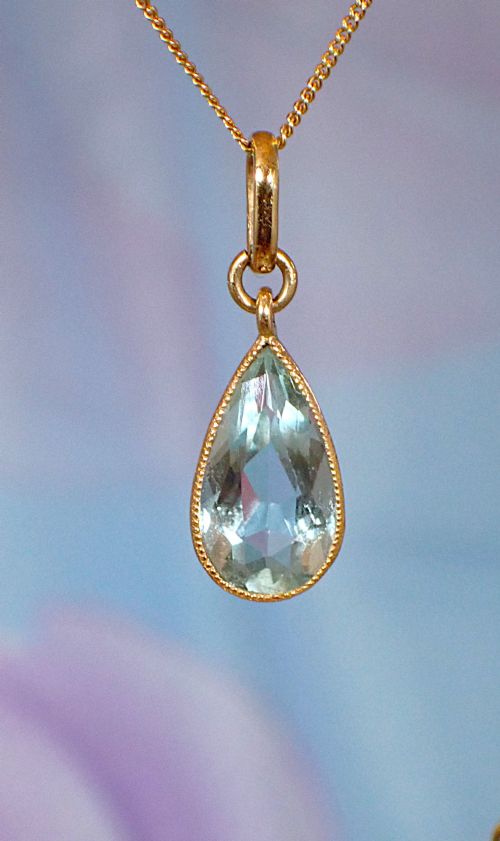
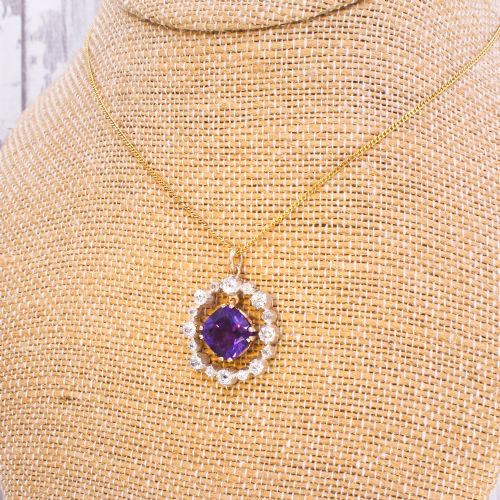
The pieces on this page originate from workshops working in yellow gold, white gold, rose gold and platinum. Forms range from simple pearl strands with gemstone clasps to intricate Edwardian diamond bow necklaces and substantial amethyst or aquamarine centerpieces.
How they were made
Makers constructed these pieces using combinations of platinum, yellow gold, white gold and rose gold, often pairing precious metals with natural or cultured pearls. Platinum became prominent in Edwardian and Art Deco pieces for its strength in fine wirework and millegrain settings, while gold forms the structural basis for Victorian, Edwardian and mid-century designs.
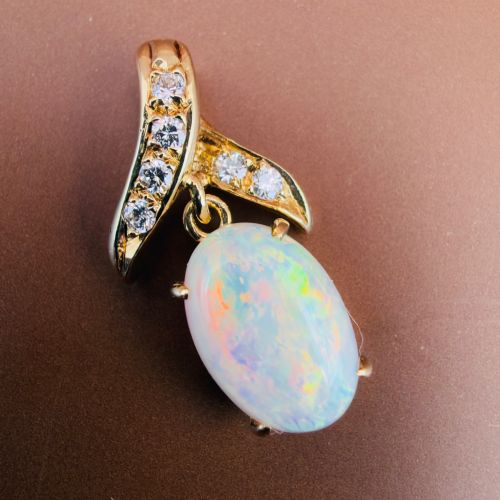
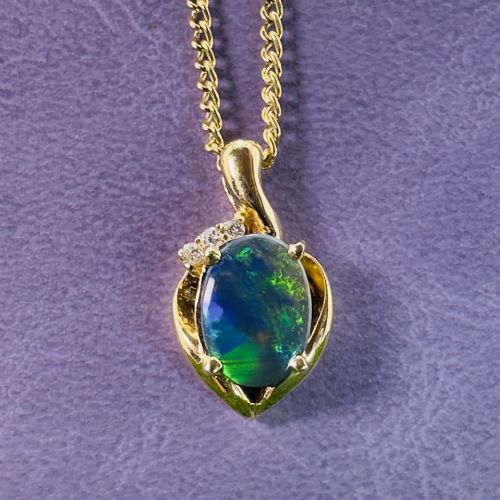
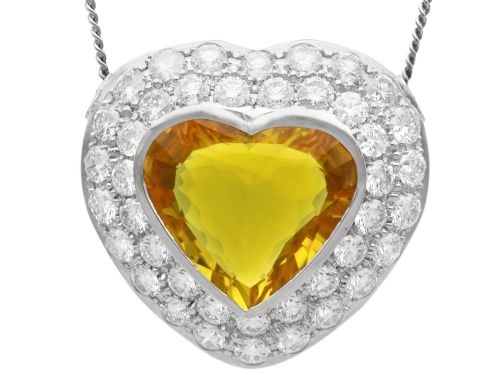
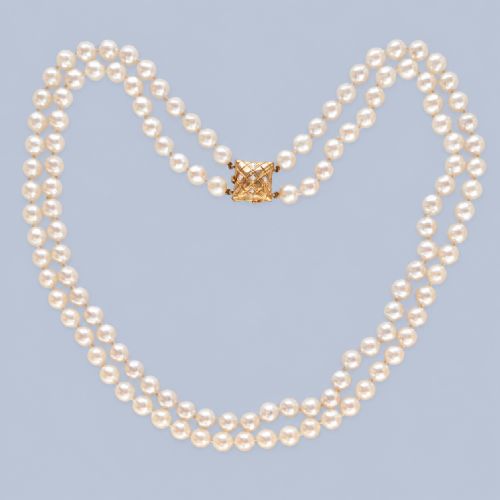
Gemstones including diamonds, sapphires, emeralds, amethysts, opals and aquamarines are hand-set into these precious metals, utilising old cut, brilliant cut and cabochon stones. Pearl necklaces frequently incorporate silk thread and specialised knotting techniques to secure pearls alongside decorative clasps set with diamonds, emeralds and sapphires.
Fine Necklace Retail Price Guide 2026
Typical asking prices for fine necklace among the pieces listed under this phrase on Sellingantiques today, from the lower quarter to the upper quarter. They describe what is for sale here now, not the wider market.
The inventory spans Victorian, Edwardian, Art Deco, and mid-century eras, incorporating single strands, multi-strand pearl ropes, and gemstone pendants.
What varies in quality
Quality in these pieces rests upon the fineness of the metalwork, the integrity of the gemstone settings and the symmetry of the design. Master jewellers achieved superior results through precise piercing, crisp millegrain work and careful stone selection, ensuring that even minute seed pearls or tiny diamond chips are balanced within the overall composition.
The condition of organic elements such as pearls and the longevity of historic re-stringing also differentiate pieces at this level. Original clasps, well-matched natural saltwater pearls, and securely mounted gemstones demonstrate the standard of the original workshop and the care taken by subsequent custodians.
Carl Bucherer
The Fine Necklace Glossary
- Lavalier pendant
- A drop pendant featuring a suspended gemstone or decorative motif, popular during the Edwardian and Art Nouveau periods.
- Millegrain
- A decorative jewellery technique consisting of a border of tiny raised metal beads along the edge of a setting.
- Old cut diamond
- A diamond cut by hand before modern machinery, characterised by a smaller table, higher crown and larger culet.
- Seed pearl
- A very small natural or cultured pearl, often drilled and threaded onto fine wire or silk in historic jewellery.
Fine Necklace: Frequently Asked Questions
What periods do these necklaces cover?
The pieces span several decades, starting from the Victorian era through the Edwardian period and the Art Deco years of the 1920s and 1930s. Later examples extend into the mid-century period up to the 1960s.
Each era brought distinct materials and design aesthetics, moving from heavy yellow gold and amethysts in the nineteenth century to platinum and geometric diamond work in the early twentieth century.
How do I care for antique pearl necklaces?
Antique pearl necklaces require gentle handling, storage away from hard items, and protection from cosmetics, perfumes and hairsprays. Pearls are organic and soft compared to gemstones.
Many historic pearl necklaces benefit from professional re-stringing on silk thread to maintain security and prevent strand breakage during wear.
What metals were used in Edwardian necklaces?
Edwardian jewellers frequently utilised platinum for its strength, allowing them to create delicate, lace-like settings that held diamonds securely without heavy metal bulk. Yellow gold and white gold were also common.
Combinations of platinum and gold frequently appeared together in chains, lavaliers and pendant mountings during this time.
Are the gemstones in these pieces natural?
The listings include natural saltwater pearls, cultured pearls, and precious gemstones such as diamonds, emeralds, sapphires, aquamarines, amethysts and opals. Specific details regarding stone origin appear in individual descriptions.
Many antique pieces feature old cut diamonds and natural coloured stones characteristic of their respective periods of manufacture.