
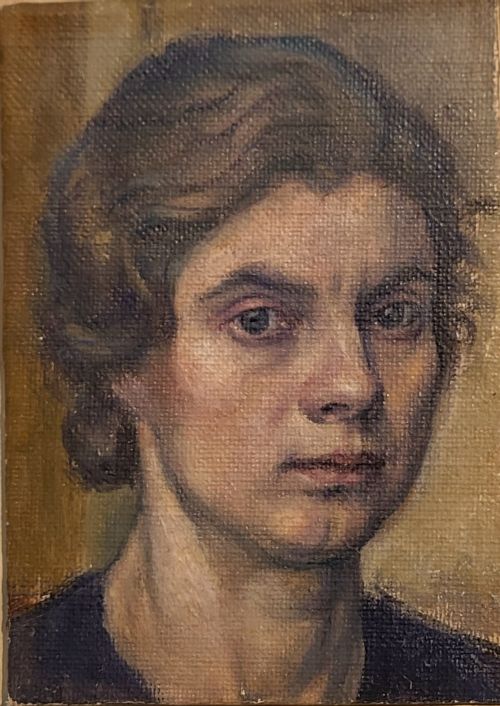
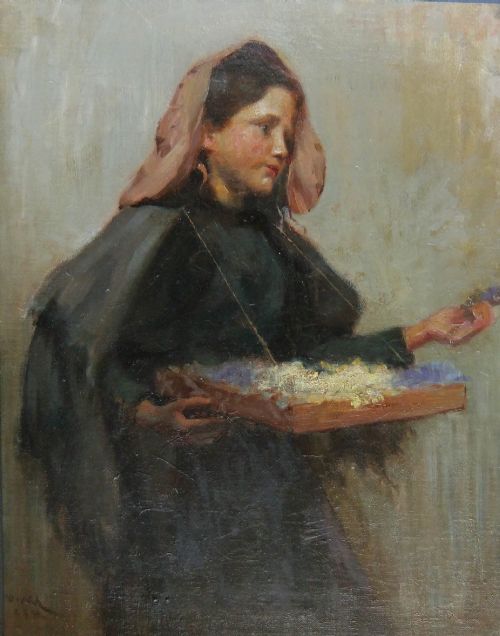
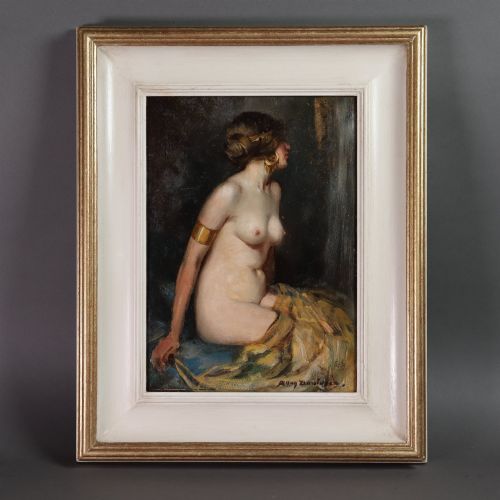


Figurative Oil Portrait Study
These figurative oil portrait study pieces capture character and form directly from life, offering a tangible connection to historical sitters and artists.
Figurative Oil Portrait Study
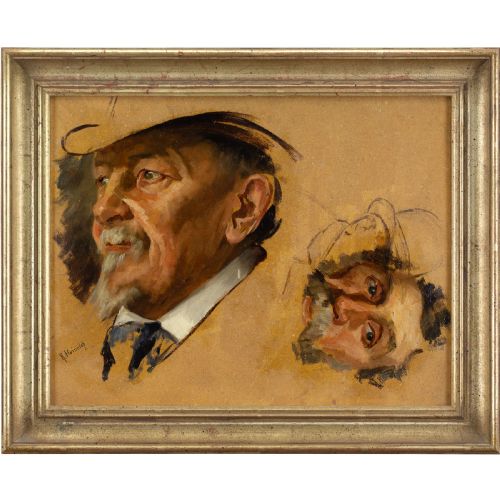
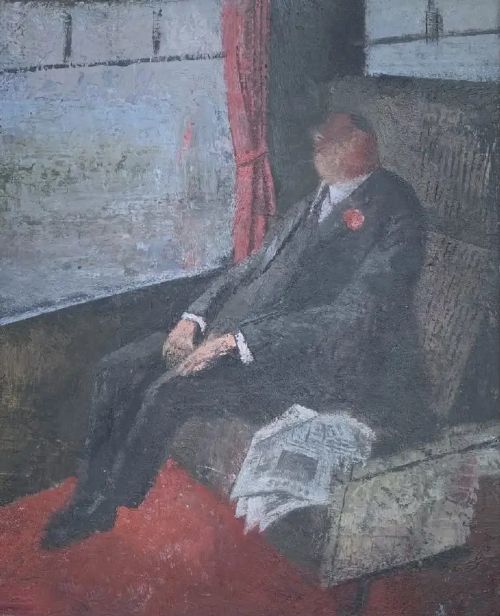
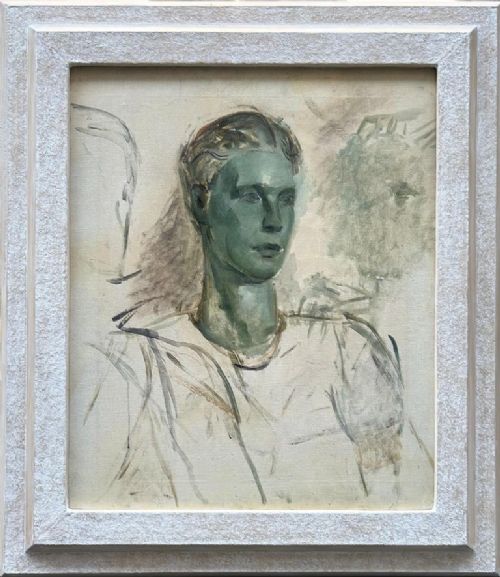
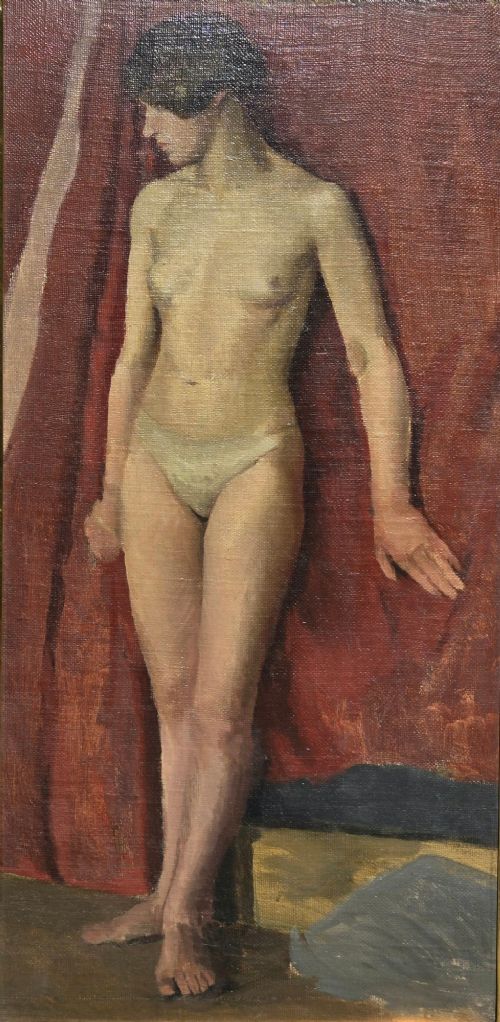
A figurative oil portrait study represents a focused exploration of a human subject, rendered in oil paint upon canvas, board or wood. These works range from intimate head and shoulder compositions to full studio interiors featuring models and sitters.
The pieces encountered span periods from the nineteenth century through the mid twentieth century, including works from nineteen thirty, nineteen twenty, nineteen fifty, and nineteen sixty. Academic realism, Edwardian impressionism, and post-war British realism dominate the stylistic range.
Subjects include seated and reclining nudes, self portraits, historical characters, and specific sitters such as young men, ladies, and royal figures. Many compositions originate from British and French schools, reflecting academic training and observational skill.
How They Were Made
Artists applied oil paint using brushes and palette knives onto flexible woven canvas, rigid wooden panels, or compressed board supports. Some works utilise canvas laid onto board for added stability.
Gilt frames often surround these paintings, complementing the oil pigments and providing a traditional boundary for the canvas or panel. Pigments were blended or layered thickly to capture light, shadow, and flesh tones.
Preparation involved priming the canvas or board with a gesso or oil ground to prevent the paint from degrading the support over time. This foundational layer allowed artists to build up tonal depth through successive glazes and impasto applications.
One recorded study captures a fauve grooming scene of a woman washing herself, offering an intimate peek into a nineteen twenties domestic moment.
What Varies in Quality
Anatomy, proportion, and the convincing rendering of light across the human form distinguish accomplished works from routine studio exercises. Masterly brushwork captures the vitality of a sitter, whereas weaker examples rely on stiff outlines and flat modelling.
The handling of the medium itself creates variation, as confident, economical paint application reveals the artist's direct observation. Thicker impasto and nuanced colour mixing separate hurried sketches from fully realised visual studies.
The integrity of the original support and the stability of the paint layer influence overall preservation. Unstable grounds or extensive craquelure affect the visual coherence of the composition.
Oilver Messel·Winifred Rymer·William Watt Milne·Allan Douglas Davidson·Septimus Scott·James Clark·Peter Jackson·Hans Temple·Raymond Arthur Roadnight·Auguste Renoir·Allan Gwynne-Jones·Gaston Bouy
The Figurative Oil Portrait Study Glossary
- Academic Realism
- A style of painting governed by the rules of nineteenth century art academies, prioritising accurate human anatomy and smooth tonal transitions. This approach forms the basis of many traditional studio studies.
- Impasto
- Paint applied thickly to a canvas or board, standing out from the surface so that brush or palette knife marks remain visible. This technique adds tactile dimension to figurative clothing and flesh.
- Ground
- The initial coating applied to a canvas, panel, or board before the artist begins painting. It provides a stable, non-porous surface that accepts oil paint without rotting the support.
- Board
- A rigid wooden or fibrous sheet used as a support for oil paint instead of stretched canvas. Artists frequently utilised board for smaller, spontaneous studies.
- Gilt
- A thin layer of gold leaf or gold coloured pigment applied to the wooden moulding of a picture frame. It enhances the visual separation between the painting and its surroundings.
Figurative Oil Portrait Study: Frequently Asked Questions
What is a figurative oil portrait study?
A figurative oil portrait study is a painted artwork focusing on the human form, capturing a specific person or model using oil paint on canvas, panel, or board. These pieces often serve as preparatory works or direct observations from life.
Artists used these studies to explore lighting, anatomy, and character expression without necessarily producing a formal, commissioned portrait. They offer insight into the working methods of artists across the nineteenth and twentieth centuries.
How do I date an oil portrait study?
Dating a study relies on examining the costume of the sitter, the framing style, and the physical characteristics of the canvas or board support. Signatures, inscriptions on the reverse, and recorded artist biographical dates also provide reliable clues.
Stamps from artists' material suppliers found on stretchers or panels help narrow down the period of manufacture. Stylistic markers such as post-war realism or Edwardian impressionism further contextualise the timeline.
Where should I hang an oil portrait study?
These paintings suit living rooms, studies, or hallways where lighting can be controlled to prevent direct, harsh sunlight from fading the oil pigments. Pairing the work with a suitable period frame enhances its integration into traditional or modern interiors.
Because many studies are modest in scale, they work well grouped together on a wall or as a singular focal point above a mantelpiece or desk. Stable indoor humidity protects both the wooden support and the canvas from warping.
How do I care for antique oil paintings?
Care involves keeping paintings away from extreme temperature fluctuations and excessive moisture, which can cause the wooden stretcher or panel to warp. Dusting should be done gently with a dry, soft, lint free cloth without applying cleaning liquids.
Professional conservation is recommended for cleaning discoloured varnish or stabilising flaking paint. Avoiding direct exposure to strong ultraviolet light preserves the original vibrancy of the oil pigments.