


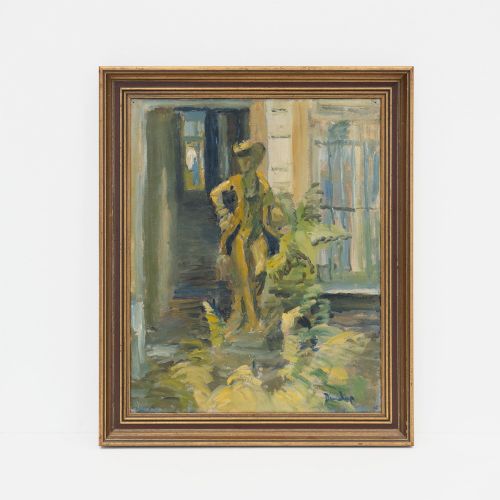


Figurative Landscape Wall Art
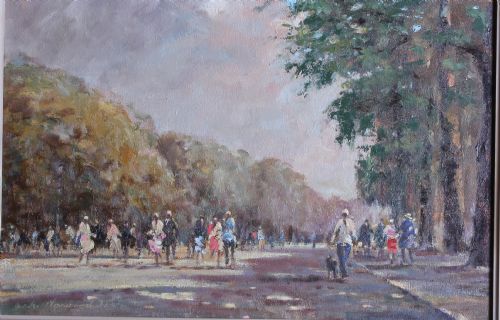
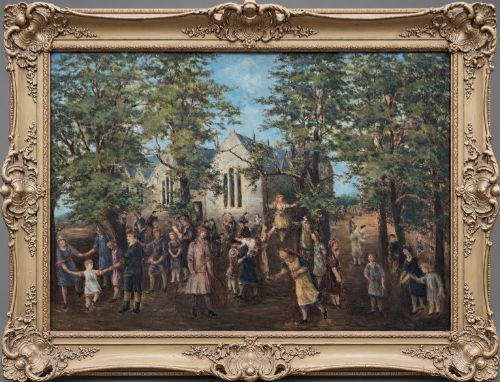
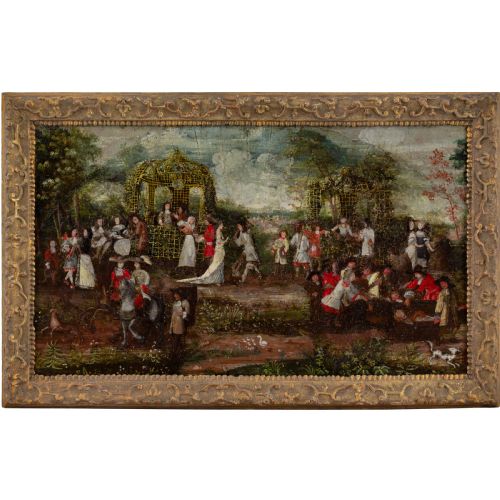
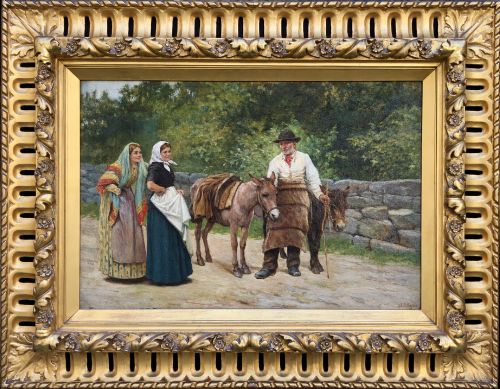
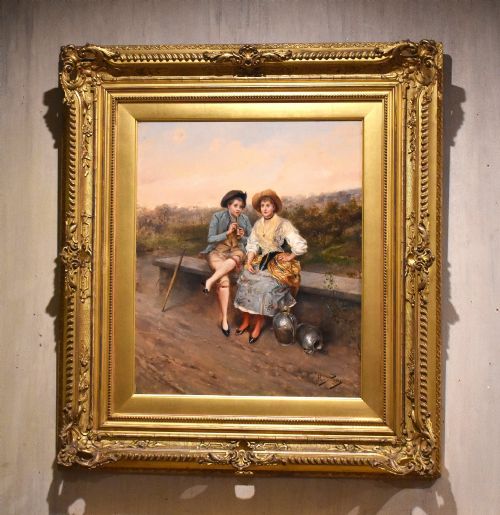
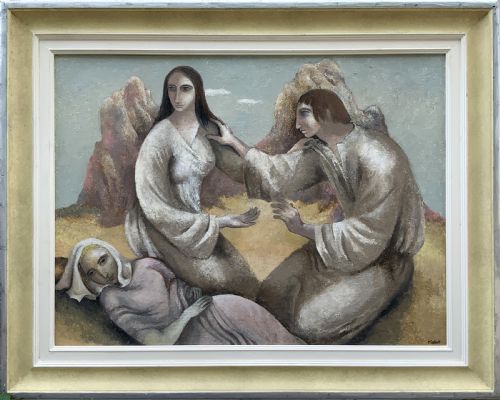
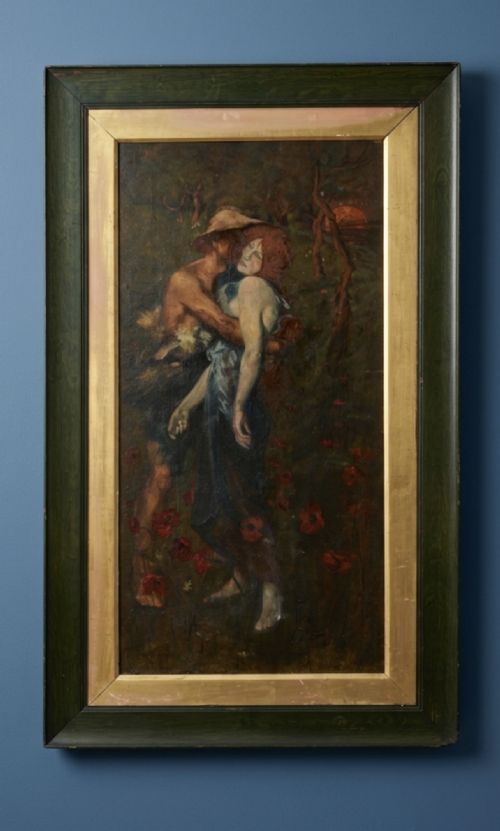
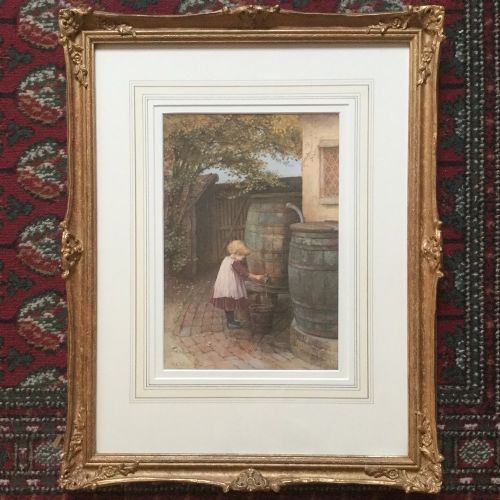
Figurative landscape wall art places human figures within outdoor scenery, combining portraiture and nature to bring narrative depth into a room.
Figurative Landscape Wall Art
When you search for figurative landscape wall art, you encounter works that merge human subjects with natural scenery, spanning pastoral gatherings, coastal scenes, and rural chores. These pieces range from seventeenth-century Flemish compositions to mid-century modernist interpretations and twentieth-century French canvases.
The selections on this page lean heavily towards oil paintings on canvas or board, alongside watercolours, lithographs, and woodblock prints. Creators place figures such as gardeners, bathers, and villagers within gardens, fields, and coastal cliffs.
You meet works originating from British, French, Flemish, Italian, and Asian traditions, capturing centuries of changing artistic approaches to the human form in the open air.
How they were made
Painters relied primarily on oil paint applied to canvas, wood panels, or board, building texture through impasto or smooth glazes depending on the period. Watercolours on paper and printed techniques like lithographs and woodblocks also form a substantial part of these creations.
Framing often involves wood and glass or gilt surrounds that complement the period of the artwork, protecting delicate paper and canvas surfaces from environmental wear.
Figurative Landscape Wall Art Retail Price Guide 2026
Typical asking prices for figurative landscape wall art among the pieces listed under this phrase on Sellingantiques today, from the lower quarter to the upper quarter. They describe what is for sale here now, not the wider market.
Listings feature works spanning the seventeenth century through to the 1960s, executed in oil, watercolour, lithograph, and woodblock print.
What varies in quality
The strength of the composition and the confidence of the brushwork separate standard decorative works from accomplished artistic achievements. The handling of light, shadow, and anatomy within an open-air setting reveals the maker's technical capability.
The survival of the original medium, whether oil on canvas or delicate watercolour on paper, alongside the integrity of any period frame, influences the overall standing of the piece.
Thomas Barker of Bath·Ronald Ossory Dunlop·David Teniers II·Kershaw Schofield·Frank Hyde·Augustus Jules Bouvier·Jane Maria Bowkett·George Kilburne·Sydney Kendrick·David Woodlock·Thomas Rose Miles·William Powell Frith·Ebenezer Wake Cook·Yves Brayer
The Figurative Landscape Wall Art Glossary
- Impasto
- Paint applied thickly to a canvas or board, leaving visible brush or palette knife strokes that stand proud of the surface. This technique adds tactile dimension to elements like clothing or foliage.
- Genre painting
- Artwork depicting scenes from everyday life, ordinary people engaged in common activities, or rural labour. Such works focus on narrative rather than formal portraiture.
- Woodblock print
- An image carved into a block of wood, inked, and transferred onto paper through pressure. The method allows for sharp outlines and flat areas of colour.
- Lithograph
- A planographic print method based on the repulsion of oil and water on a limestone or metal plate. Artists use this process to reproduce original compositions in multiple impressions.
- Flemish Baroque
- An artistic movement from the seventeenth century characterised by dynamic movement, rich colour, and dramatic contrast. Works from this tradition often combine detailed landscapes with lively human figures.
Figurative Landscape Wall Art: Frequently Asked Questions
What defines figurative landscape wall art?
These artworks combine human subjects with outdoor settings, placing people within gardens, fields, or coastal views.
They capture narratives of daily life, leisure, or pastoral labour set against natural backdrops.
How should I hang these framed artworks?
Select wall space away from direct sunlight and damp conditions to protect canvas, paper, and gilt frames.
Ensure sturdy fixings support the weight, particularly for larger oil paintings housed in wooden frames.
How do I identify the period of a painting?
Examine the materials, support structures, and stylistic markers such as impressionist brushwork or Victorian narrative themes.
Signatures, dates, and framing styles often provide additional clues to the era of creation.
What is the difference between oil and watercolour?
Oil paint utilises a slow-drying medium that allows for rich blending, thick impasto, and deep colour saturation on canvas or board.
Watercolour employs water-soluble pigments on paper, creating translucent washes and lighter effects that usually require glass protection.