



Figural Porcelain Stand
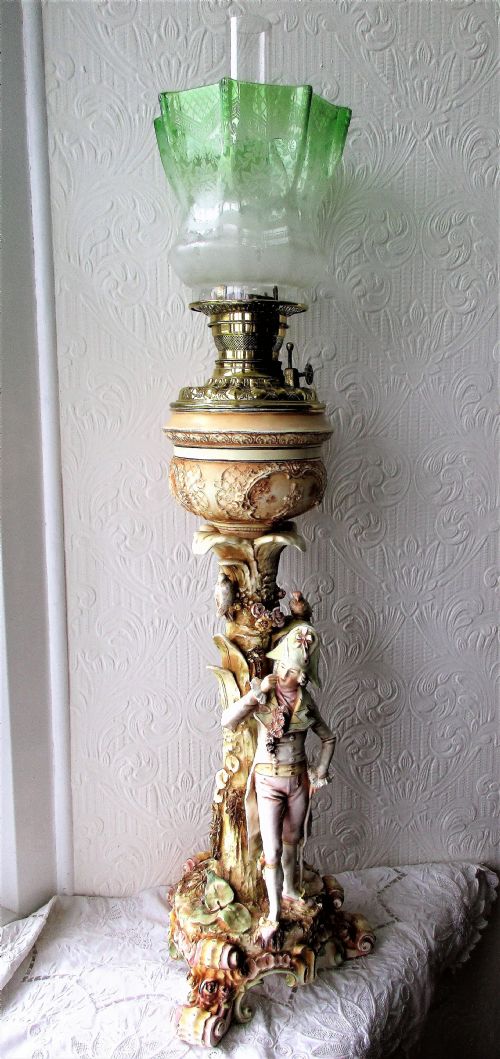
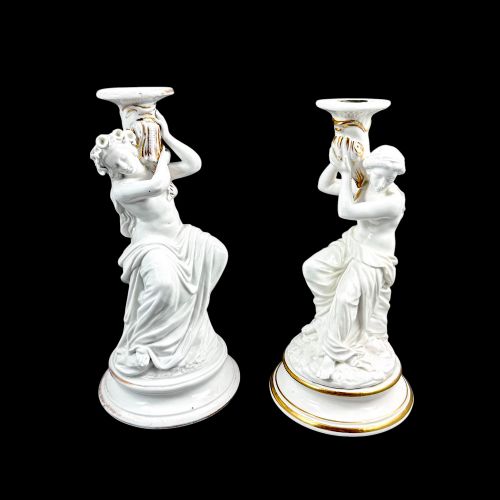
These figural porcelain stand items combine sculpted human or animal figures with functional vessels or lighting bases, offering a decorative centrepiece for your table or mantel.
Figural Porcelain Stand
A figural porcelain stand brings sculpted sculptural forms together with domestic utility, most commonly seen in pairs of candlesticks, candelabra, and vases from the eighteenth and nineteenth centuries. You will frequently encounter Victorian and Georgian examples on this page, often modelled as human figures or allegorical representations integrated into the base or support.
The objects span various global traditions and workshops, including English factories like Chelsea and Derby alongside continental European makers from Germany and France. Alongside candlesticks, the selection includes oil lamps, mantel clocks housed under glass domes, and comports resting upon matching or associated stands.
Many of these stands serve primarily as decorative centrepieces or mantel ornaments rather than purely utilitarian items. The sculptural element often depicts seasonal figures, gardeners, or classical allegories, rendered in soft-paste or hard-paste porcelain with hand-painted details.
How they were made
Makers shaped these pieces using porcelain bodies, frequently enriched with hand-applied enamel colours, gilding, and gold leaf accents to highlight the intricate contours of the figures. Some items incorporate supplementary materials such as brass fittings, glass domes, or wooden bases to support heavier clock movements and candelabra arms.
Techniques varied across different centuries and kilns, ranging from the soft-paste porcelain formulations of eighteenth-century English works to the precise moulding and Moriage decoration seen in later nineteenth-century Japanese Kutani pieces. Artisans combined slip-casting or hand-modelling for the figures with skilled brushwork for the floral and allegorical motifs.
Figural Porcelain Stand Retail Price Guide 2026
Typical asking prices for figural porcelain stand among the pieces listed under this phrase on Sellingantiques today, from the lower quarter to the upper quarter. They describe what is for sale here now, not the wider market.
Listings feature porcelain, glass, wood, and brass across items dated from the eighteenth to the early twentieth century.
What varies in quality
Quality rests heavily on the crispness of the modelling in the figures and the delicacy of the hand-painted enamel work across the stand. Superior pieces retain sharp facial expressions, well-defined drapery folds, and securely applied floral or gilt embellishments without excessive rubbing.
The harmony between the sculptural figure and the functional stand determines the overall success of the piece. Well-balanced proportions and intact applied porcelain foliage indicate skilled craftsmanship from established kilns rather than mass-produced output.
Royal Worcester Hadley·Sitzendorf·Helena Wolfsohn·Triebner, ENS & Eckert
The Figural Porcelain Stand Glossary
- Soft-paste porcelain
- An early ceramic composition fired at lower temperatures than true hard-paste porcelain. It has a warmer texture and often interacts distinctively with nineteenth-century glazes.
- Moriage
- A Japanese decorative technique where slip is piped onto the porcelain surface to create raised, textured patterns before firing. This method appears on nineteenth-century Kutani vases.
- Ormolu
- Gilt bronze mounted onto decorative objects or clocks. French nineteenth-century examples frequently use this material for the structural mounts and clock bezels.
- Comport
- A decorative dish or bowl elevated on a stem and stand. These pieces typically function as table centrepieces for displaying fruit or sweetmeats.
Figural Porcelain Stand: Frequently Asked Questions
What is a figural porcelain stand?
A figural porcelain stand is a decorative ceramic object that incorporates a sculpted human or animal figure into its support structure. These items function as candlesticks, vases, or clock bases.
They combine sculptural artistry with domestic utility, serving as ornamental centrepieces for nineteenth-century interiors.
How were these stands used historically?
Owners placed these items on dining tables, mantelpieces, or sideboards to illuminate rooms and display refined taste. Candlesticks and candelabra provided functional lighting during evening meals.
Figurative comports and vases held seasonal arrangements or sweetmeats while adding narrative sculptural elements to formal rooms.
How do I care for antique porcelain stands?
Keep these delicate objects away from direct sunlight and areas subject to sudden temperature shifts to protect the glaze and enamel. Dust them gently using a soft, dry brush.
Avoid using water or chemical cleaners on pieces with exposed gold leaf, Moriage decoration, or hand-painted enamels.