


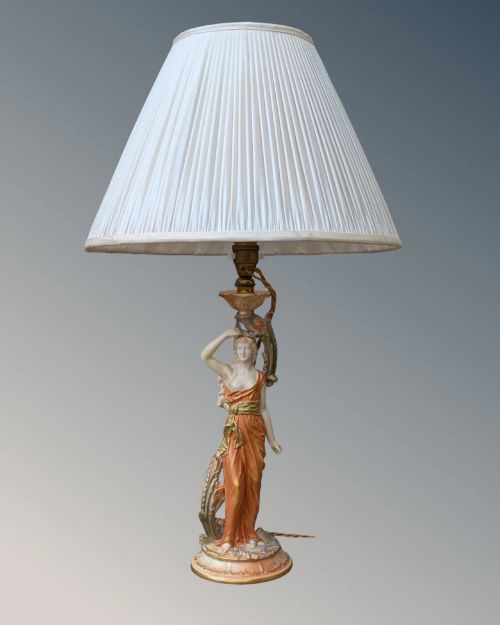


Figural Porcelain Light
A figural porcelain light brings sculpted human and animal forms together with functional illumination, offering an ornate focal point for traditional interiors.
Figural Porcelain Light
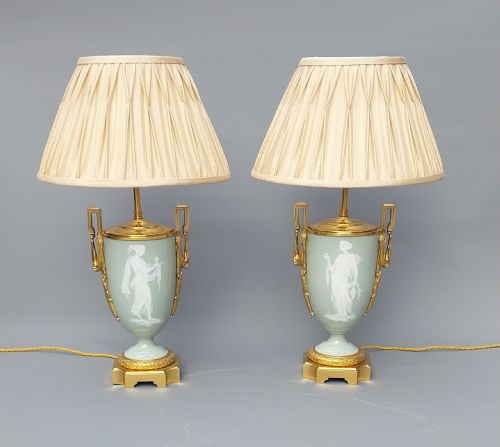
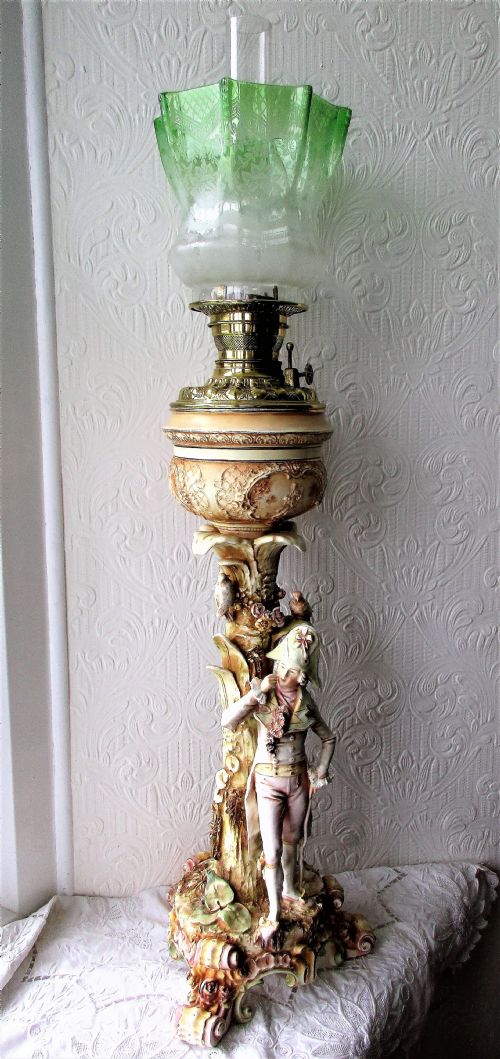
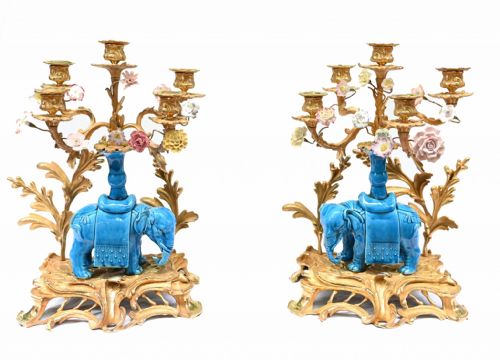
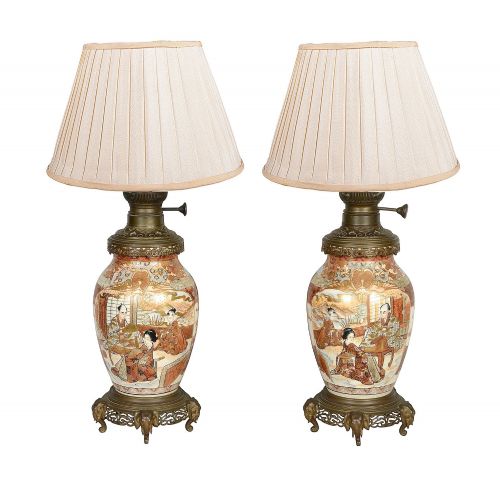
A figural porcelain light combines sculpted ceramic figures with lighting mechanisms, taking forms such as table lamps, oil lamps, candelabras, and converted vases. These decorative objects draw from the 19th Century, 1880, 1890, 1900, 1920, and 1930 periods, showcasing intricate figures integrated into the base or support structure.
You will most frequently encounter 19th Century and 1920 examples on this page, often presented as matched pairs. Forms range from French celadon and Chinese export vases to German figural candlesticks and Japanese Satsuma table lamps.
Makers such as Sitzendorf and Royal Worcester dominate the output of figural porcelain lights, utilising styles that span Victorian, Art Deco, Rococo Revival, and Japanese Meiji. These works frequently incorporate mounts of gilt bronze, brass, or toleware alongside the primary ceramic body.
How they were made
Makers shaped porcelain bodies using moulding and casting techniques, often applying hand-painted glazes, famille rose pigments, or blue and white designs before firing. Details like pâte-sur-pâte ornamentation built up layered white slip on coloured grounds to create relief portraits and figures.
Craftsmen paired the fired ceramic sections with metalwork mounts, securing brass, gilt bronze, or gilt metal fittings around the bases and rims. Components such as beaded shades, fabric elements, and glass fittings completed the lighting conversion.
Figural Porcelain Light Retail Price Guide 2026
Typical asking prices for figural porcelain light among the pieces listed under this phrase on Sellingantiques today, from the lower quarter to the upper quarter. They describe what is for sale here now, not the wider market.
Illuminated owls and wide-eyed cherubs stare steadfastly across the centuries, keeping a tireless ceramic watch over the living room.
What varies in quality
The precision of the modelling and the crispness of the hand-painted detailing determine the visual strength of a figural porcelain light. Pieces featuring finely articulated facial expressions and detailed costumes by established factories stand apart from simpler production runs.
The integration of secondary materials defines the overall standard, distinguishing works with substantial gilt bronze mounts and original hardware from later adaptations or plain brass fittings.
Karl Ens·Anton Buschelberger·James Hadley·Sitzendorf
The Figural Porcelain Light Glossary
- Pâte-sur-pâte
- A porcelain decoration technique where successive layers of liquid white clay are painted onto a coloured ceramic background to build a low relief cameo effect. This meticulous process requires immense skill from the ceramic artist.
- Blanc de chine
- A type of white Chinese porcelain originating from Dehua, prized for its ivory or milk-white glaze and smooth texture. It is frequently utilised for figures and religious statuary.
- Famille rose
- A palette of Chinese porcelain enamels dominated by opaque pink or rose colours, introduced during the Qing dynasty. The style often depicts floral sprays, figures, and birds.
- Candelabra
- A branched candlestick designed to hold multiple candles or, in later adaptations, wired electrical light fittings. These fixtures often feature central figural columns.
- Veilleuse
- A French night light or food warmer, typically comprising a ceramic body with a pierced cover designed to hold a small internal flame. They frequently double as decorative figural lamps.
Figural Porcelain Light: Frequently Asked Questions
How do I wire an antique porcelain lamp safely?
Rewiring requires threading modern cable through existing channels without damaging the fragile ceramic body or original brass mounts. A professional electrician should handle the installation of contemporary fittings and earthing.
Retaining the original hardware where possible preserves the character of the piece while ensuring safety during daily use. Modern inline switches and compliant plugs integrate smoothly with vintage wiring runs.
Where should I place a figural light in a room?
These sculptural objects serve as prominent decorative accents on sideboards, mantels, or large console tables where their three-dimensional forms remain visible. Positioning them away from high-traffic zones protects delicate porcelain limbs and protruding candelabra branches from accidental knocks.
Pairing them with neutral walls allows the detailed painting and gilt bronze mounts to stand out clearly. Low-wattage bulbs help preserve fragile pigments and fabric shades from excessive heat exposure.
How do I distinguish 19th-century pieces from later reproductions?
Nineteenth-century examples typically display hand-painted brushwork, period factory stamps, and heavier metal mounts such as gilt bronze rather than modern brass. Examining the base for kiln marks and wear patterns offers reliable clues to the true age of the ceramic.
Later copies often exhibit mechanical transfer printing instead of hand-applied famille rose or blue and white enamels. The weight and consistency of the porcelain body also differ noticeably across distinct manufacturing eras.