



Fielded Panel Cabinet
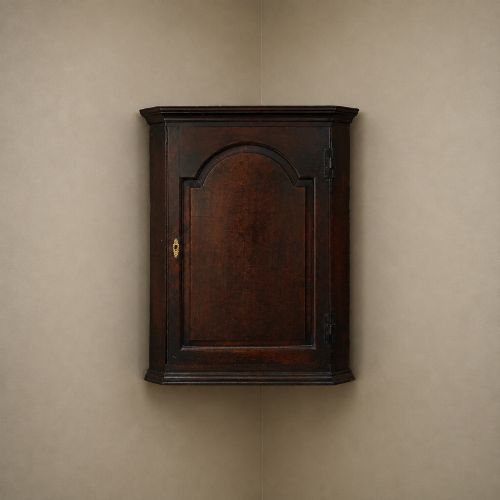
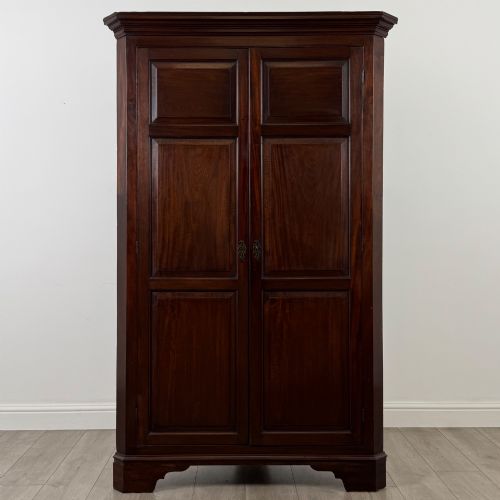
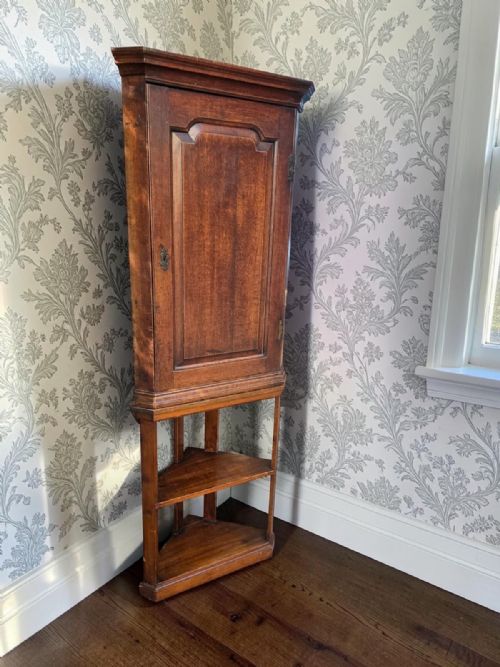
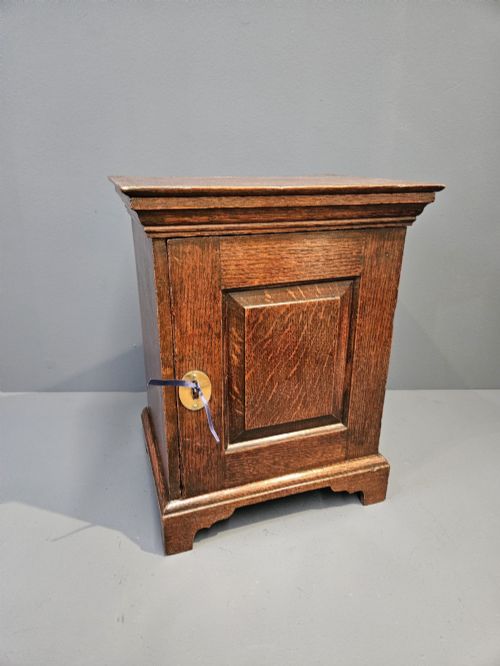
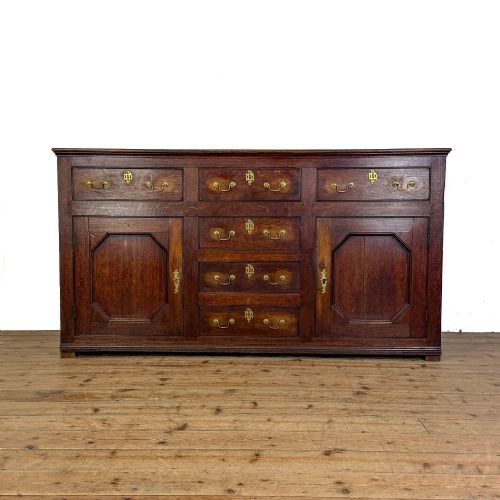
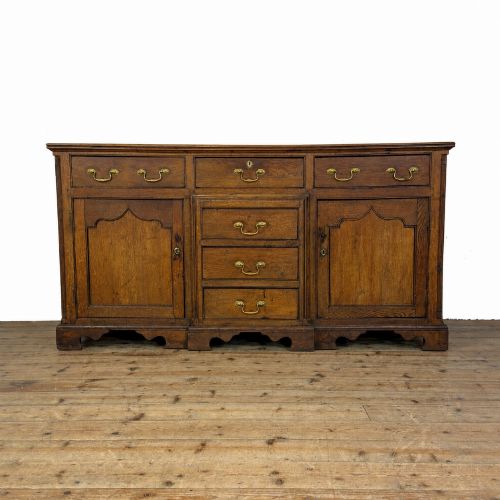
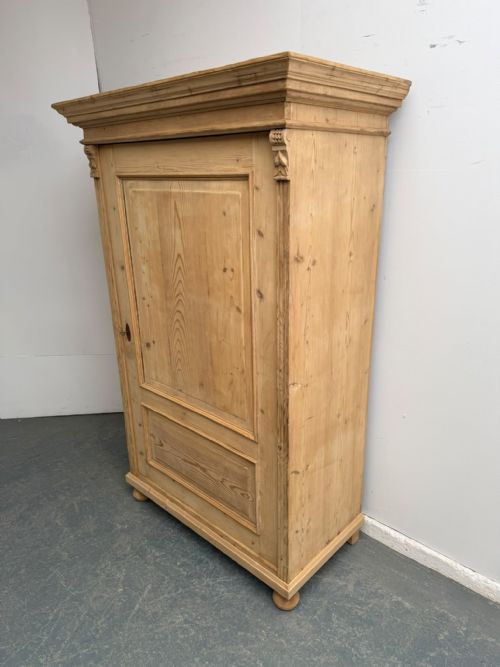
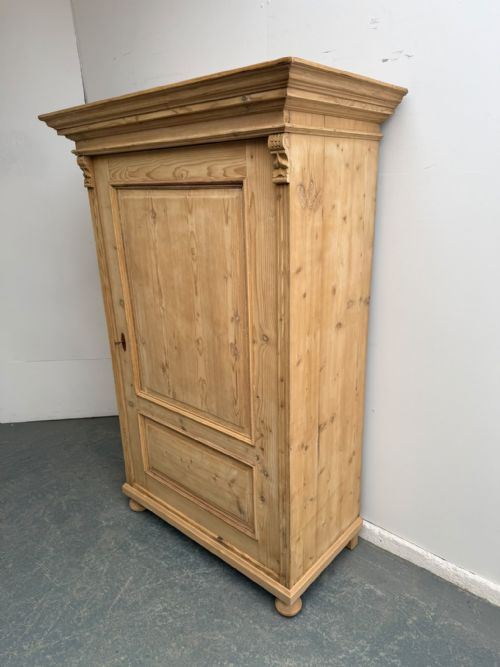
These fielded panel cabinet examples bring solid timber architecture into a room, offering sturdy storage with traditional recessed door panels.
Fielded Panel Cabinet
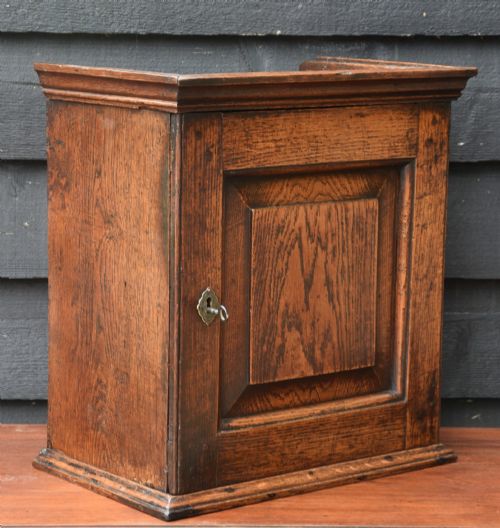
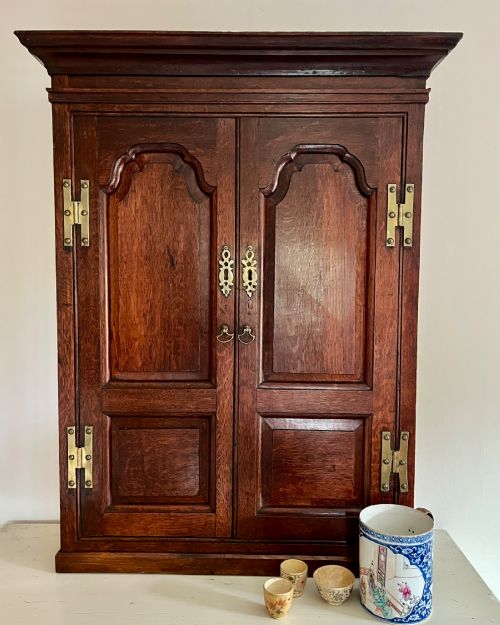
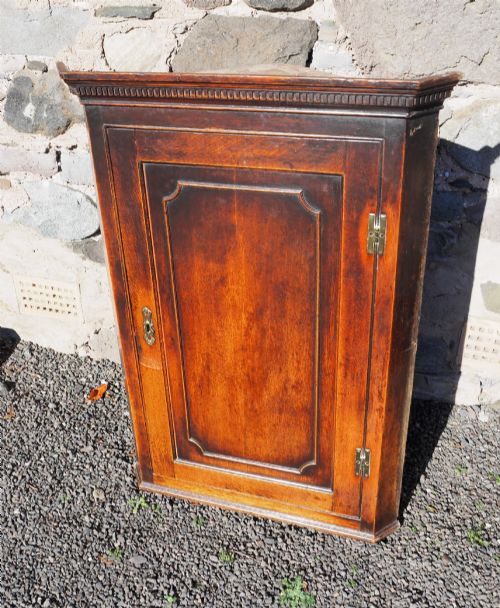
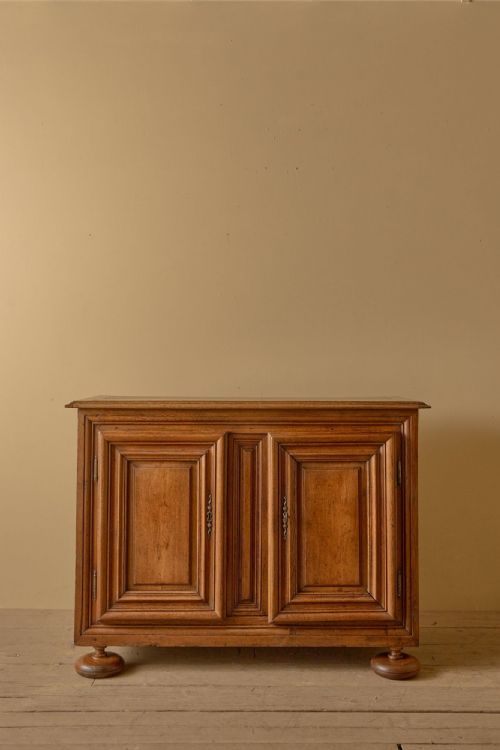
The selection ranges from tall two-part standing cupboards to small wall-hanging versions and low dresser bases. Oak and pine dominate the forms, originating from English, Welsh, and French provincial workshops across the eighteenth and nineteenth centuries.
How they were made
Cabinet makers built these pieces using solid timbers such as oak, mahogany, pine, and yew, often selecting burr oak for decorative front surfaces. Panels were hand-bevelled to sit within grooved frames, allowing the wood to expand and contract naturally with seasonal humidity changes.
Hardware played an essential functional role, with brass hinges and iron latches securing doors that frequently incorporated working locks. Cupboard carcases relied on traditional joinery techniques, uniting heavy timber boards without modern adhesives.
Fielded Panel Cabinet Retail Price Guide 2026
Typical asking prices for fielded panel cabinet among the pieces listed under this phrase on Sellingantiques today, from the lower quarter to the upper quarter. They describe what is for sale here now, not the wider market.
Listings feature oak, pine, mahogany, and yew timbers across the Georgian and Victorian periods.
What varies in quality
Quality in these cabinets rests upon the choice of timber and the precision of the frame-and-panel construction. Pieces fashioned from figured burr oak or rich mahogany represent a higher tier of craftsmanship than utilitarian pine storage cupboards.
Proportion and architectural detail separate standard regional examples from finer works. Integrated drawers, well-figured grain matching across the fielded panels, and untouched period brassware elevate the standing of a cabinet.
The Fielded Panel Cabinet Glossary
- Fielded panel
- A central wooden panel with bevelled edges that thin out to fit into a grooved wooden frame. This construction method reduces warping as the timber ages.
- Corner cupboard
- A storage piece specifically built with a triangular footprint to fit directly into a room corner. Many examples feature glazed upper doors or solid fielded panels below.
- Dresser base
- A low sideboard or cabinet featuring drawers and cupboards beneath a flat top surface. These utilitarian forms served domestic kitchens and dining rooms.
- Spice cupboard
- A small, wall-mounted cabinet containing multiple tiny internal drawers or shelves for precious seasonings. They often feature a single fielded panel door.
- Vernacular
- Furniture made by regional craftsmen using local traditions and available timbers rather than following metropolitan fashion trends. Welsh and French provincial pieces demonstrate distinct regional traits.
Fielded Panel Cabinet: Frequently Asked Questions
Where should I place a corner cupboard?
These cabinets suit awkward room corners where standard rectangular furniture wastes floor space. They utilise dead space while adding architectural depth to plain walls.
Standing versions anchor an empty corner, whereas wall-hanging models sit comfortably above sideboards or desks. Ensure the door swing clears surrounding furniture before fixing them in place.
How do I care for antique oak?
Solid oak benefits from occasional treatment with traditional beeswax to nourish the dry timber. Avoid placing wooden furniture near direct heat sources or in fluctuating damp conditions.
Gentle dusting with a dry cloth preserves the finish. Chemical polishes tend to build up residue and dull the historic surface sheen over time.
What is a two-part cupboard?
A two-part cupboard comprises a separate upper cabinet resting upon a lower base section. This modular construction helped cabinet makers transport heavy furniture through narrow doorways.
The sections lock together using gravity or internal dowels. Tall standing corner cupboards frequently employ this practical architectural split.
How do I date an old cabinet?
Dating relies upon examining the timber species, construction tool marks, and hardware types. Eighteenth-century pieces often display hand-sawn board marks and pegged joints.
Stylistic cues such as Georgian proportions or Victorian pine construction provide further chronological markers. Secondary woods used inside drawers also help determine the period.