
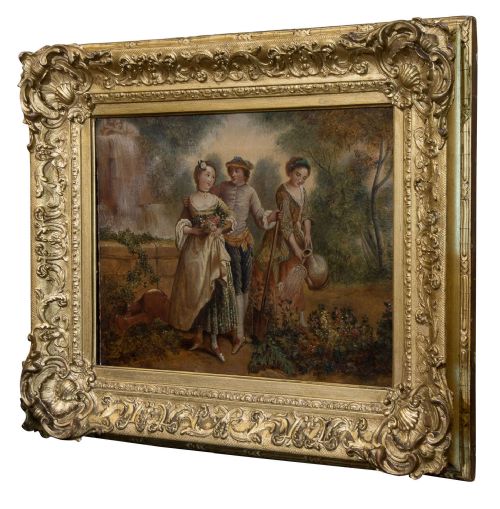


Fete Galante Painting
A fete galante painting brings courtly figures in pastoral idylls into your room, offering the quintessential rococo atmosphere.
Fete Galante Painting
A fete galante painting depicts figures in elegant outdoor leisure, often drawing on pastoral themes set within woodland or garden landscapes. These works reflect the eighteenth-century taste for courtly amusement popularised by masters like Watteau and Boucher.
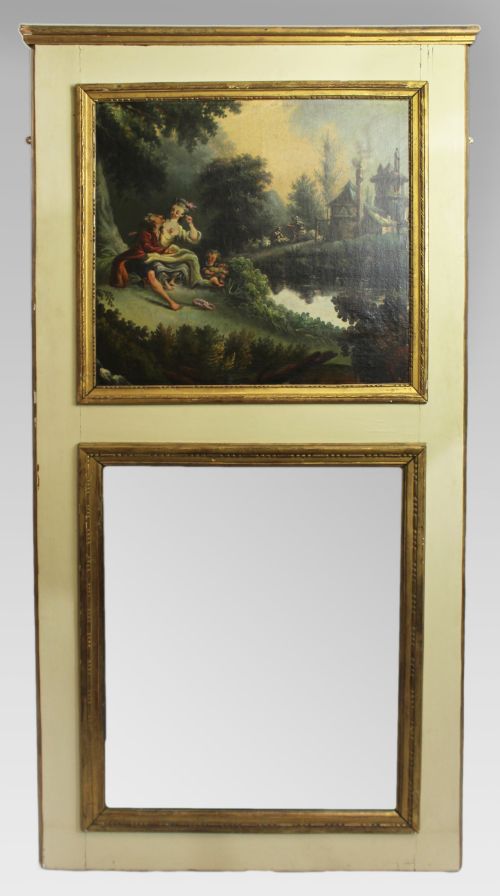
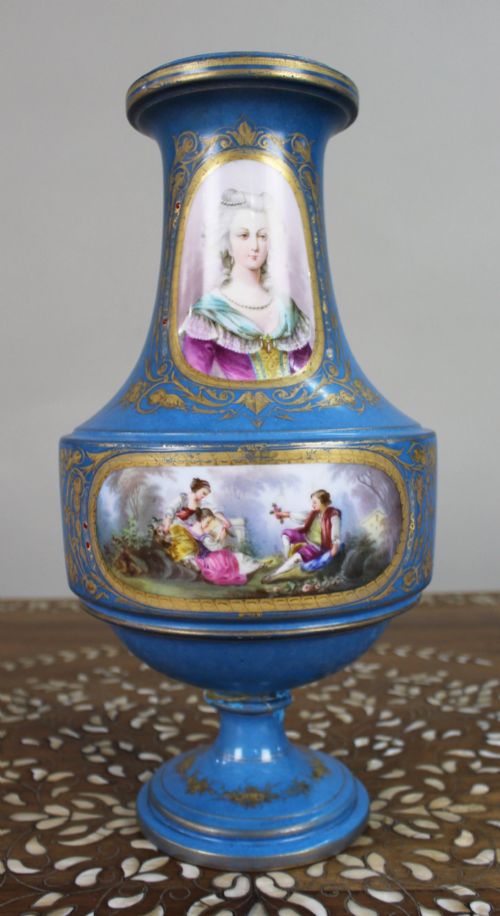
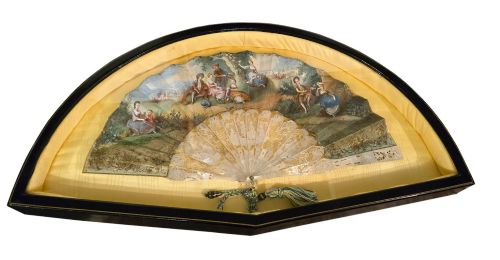
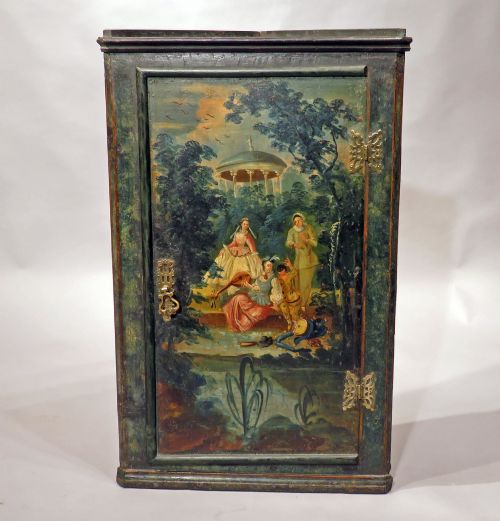
The versions you meet on this page extend beyond traditional canvases to include oil paintings on board or copper, alongside decorative porcelain plates, vases, fans and trumeau mirrors. These items span the eighteenth and nineteenth centuries, capturing revivals of the rococo style through both direct canvas and decorative object application.
Originating largely from French and German traditions, these pieces range from early eighteenth-century panels to nineteenth-century copies and plates executed in the manner of established makers.
Materials and construction
The physical works rely primarily on oil on canvas, board or copper, capturing fine details of figures in woodland settings. Canvases and panels employ traditional ground layers and oil pigments to achieve soft pastoral lighting.
Beyond flat painting, the imagery transfers to porcelain bodies such as those from Meissen, Sèvres, Dresden and Samson. These ceramic pieces utilise hand-painted enamel scenes, often enhanced with blue grounds, gilt highlights and ormolu mounts.
Frames and related furniture elements incorporate carved and gilded wood, brass and painted wooden panels seen in trumeau mirrors and corner cupboards.
Periods span from the early eighteenth century through to mid-nineteenth-century revivals and later twentieth-century decorative pieces.
Assessing quality
The fineness of the brushwork and the expressive rendering of figures determine the upper tier of painted works. Superior examples display subtle handling of woodland light and garments, whereas lesser pieces rely on stiff or formulaic replication.
In ceramic applications, the crispness of the porcelain moulding and the precision of the hand-painted enamel vignettes separate master factory output from simpler regional decorative pieces. The integration of metalwork, such as ormolu mounts on vases or carved mother-of-pearl on folding fans, adds another layer of distinction.
Jean Antoine Watteau·Frederick Bartman·Meissen·Sevres·Samson Paris·Wolfsohn Dresden·Coalport
The Fete Galante Painting Glossary
- Fete galante
- An art historical term describing a type of painting that shows figures of the idle wealthy enjoying outdoor courtly amusements. These scenes typically feature aristocrats in pastoral or parkland settings.
- Trumeau mirror
- A decorative wall mirror featuring an integrated painted panel above the glass. They frequently incorporate pastoral or gallant scenes within carved and gilded wood frames.
- Bleu céleste
- A bright sky-blue ceramic ground colour associated with Sèvres porcelain. This distinctive hue forms the backdrop for hand-painted gallant scenes.
- Ormolu
- Gilded bronze used for decorative mounts on porcelain vases, lamps and furniture. It frames and supports the ceramic body in nineteenth-century decorative pieces.
- Puce
- A brownish-purple or purplish-red enamel colour used for monochrome or accent painting on eighteenth-century porcelain. It often defines pastoral vignettes on bowls and plates.
Fete Galante Painting: Frequently Asked Questions
What is a fete galante painting?
A fete galante painting portrays aristocratic figures enjoying leisure in parklands or woodland landscapes. The genre captures a theatrical and romanticised view of eighteenth-century social life.
These works range from traditional oil paintings on canvas and copper to miniature scenes painted on porcelain plates, vases and fans.
How do I date these pieces?
Dating relies on stylistic markers, materials and factory marks where present. Eighteenth-century pieces show period pigments and hand-mixed porcelain bodies, while nineteenth-century items often reflect revival movements.
Examining the stretcher frames on canvases, the ageing of copper panels, or factory AR marks on porcelain helps establish the period of manufacture.
Where were these items made?
The pieces originate predominantly from French and German workshops and factories. Major centres include Paris, Sèvres, Meissen and Dresden.
Regional makers and later nineteenth-century revivalists across Europe also produced paintings and decorated porcelain inspired by these original designs.
How do I care for them?
Care depends on the medium of the piece. Oil paintings require stable humidity and protection from direct sunlight, while porcelain and mirrors need gentle dusting with a soft dry cloth.
Ormolu mounts and gilded wood should be cleaned without harsh chemical polishes to preserve the original metal finish and gilding.