

Female Portraiture Painting
Female portraiture painting captures the presence of women across centuries, offering a tangible link to historical lives through skilled brushwork.
Female Portraiture Painting
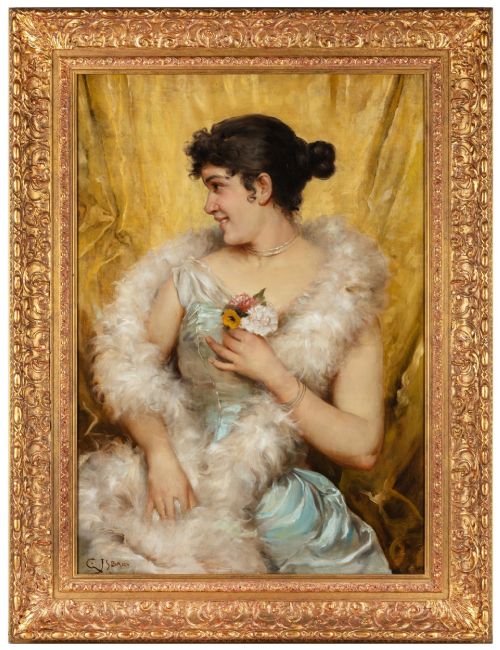
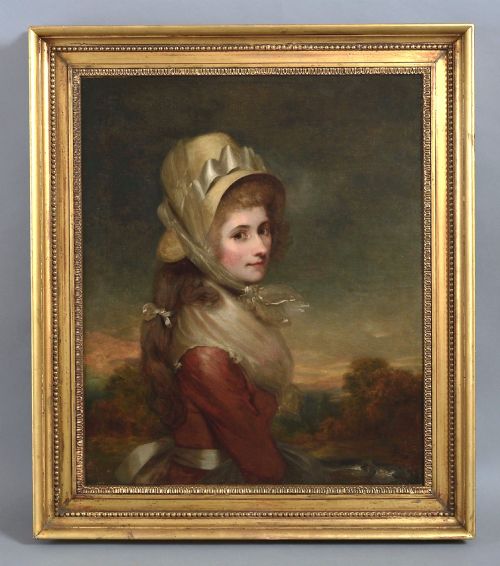
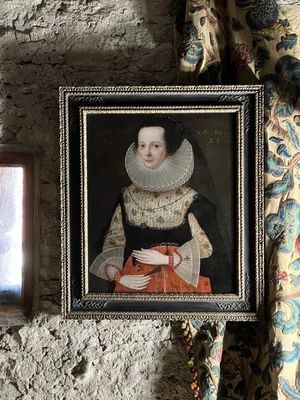
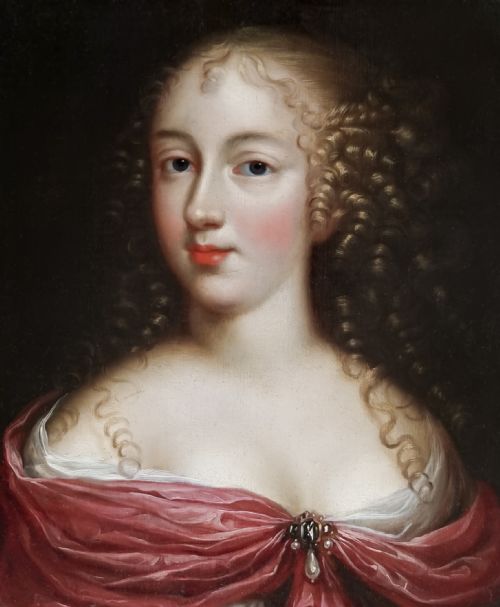
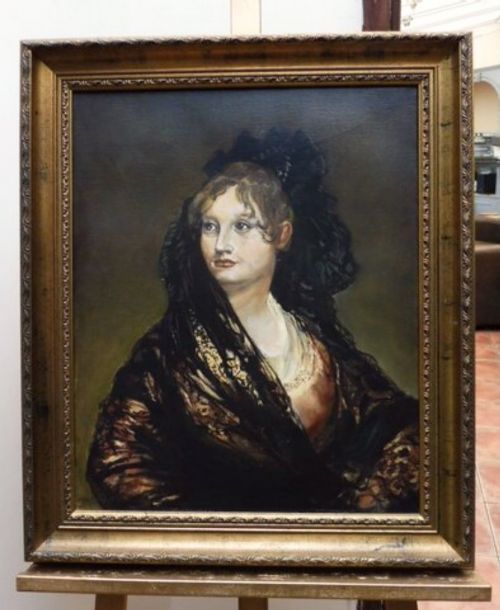
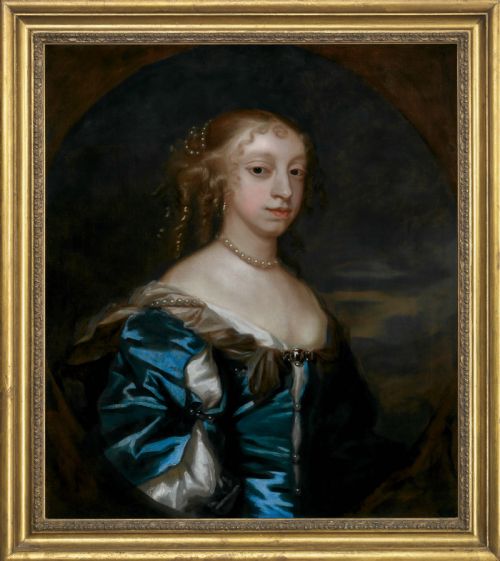
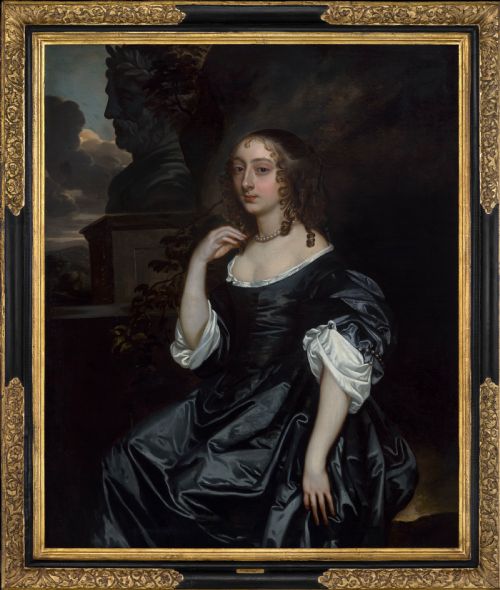
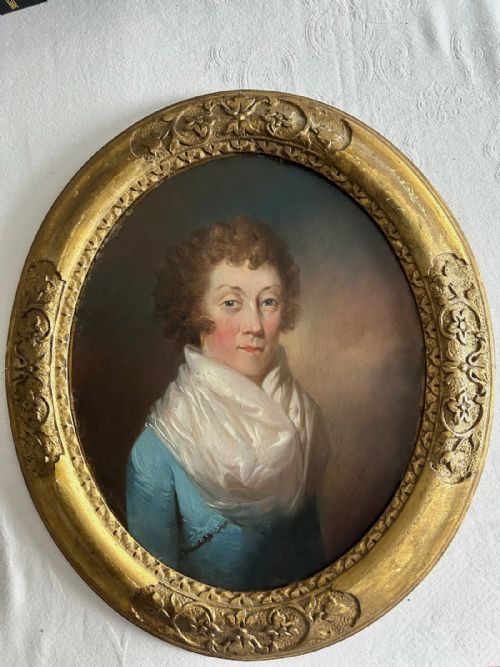
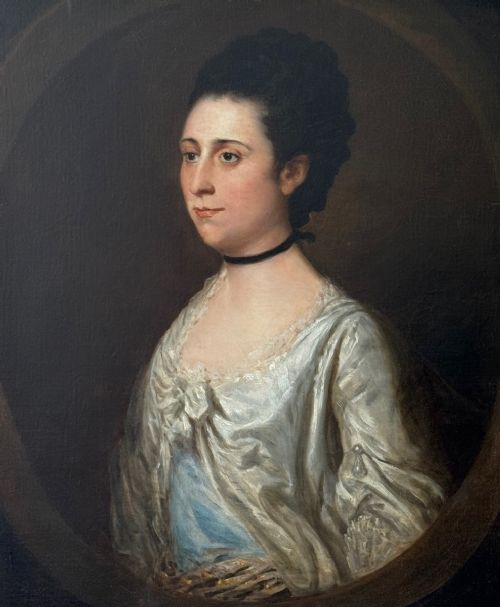
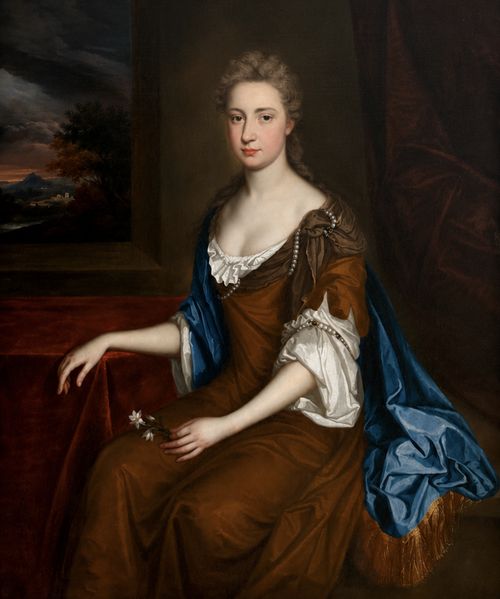
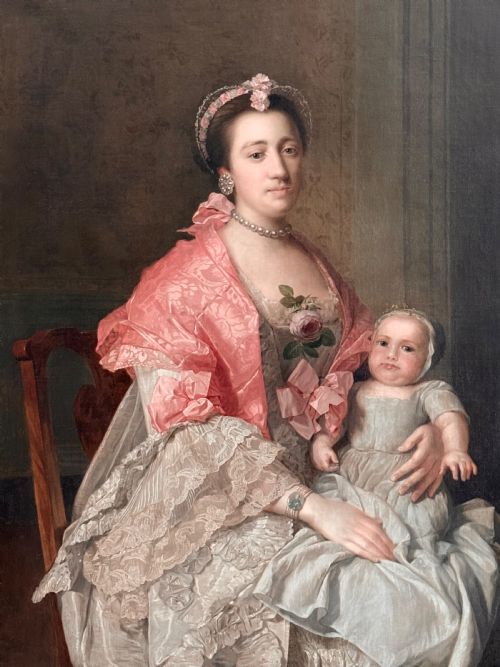
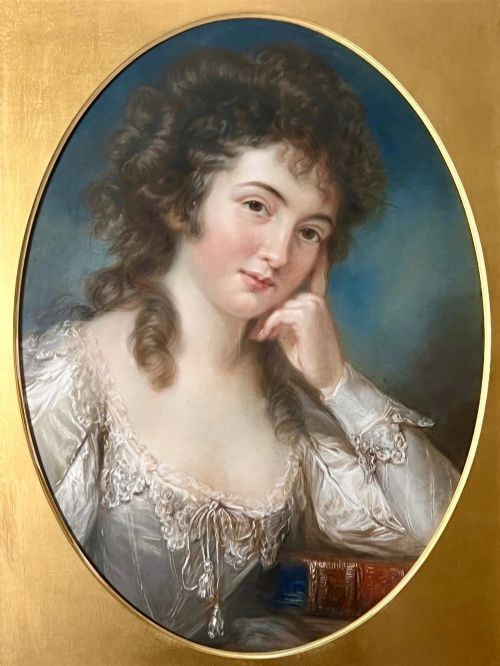
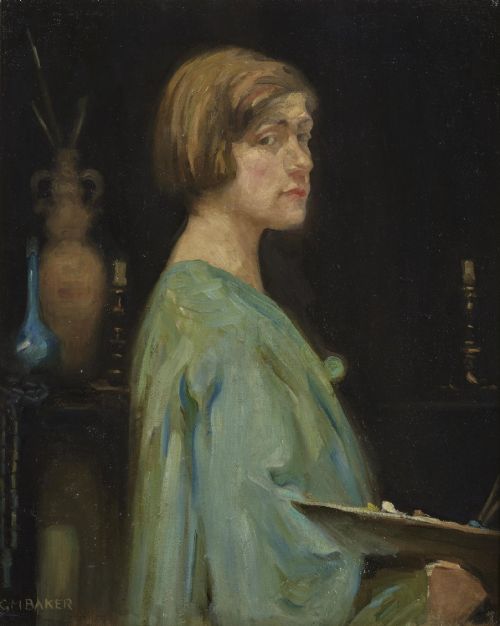
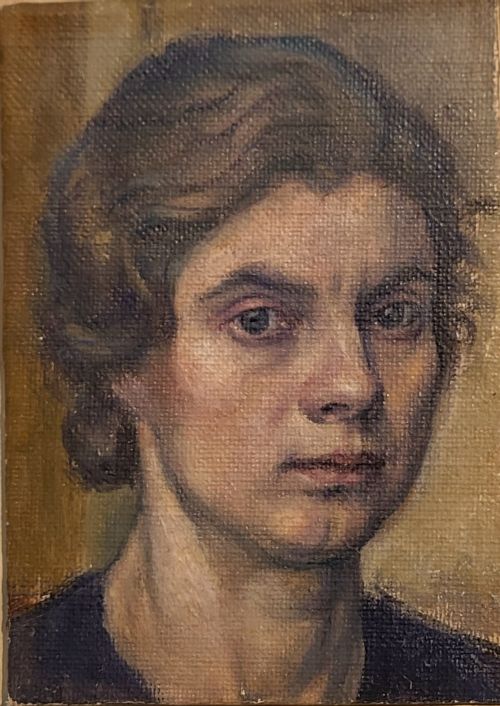
When you search for female portraiture painting, you encounter works spanning from the seventeenth century through to the mid-twentieth century. The selection includes seventeenth-century depictions of noblewomen in elaborate costume alongside nineteenth-century Victorian studies and later works.
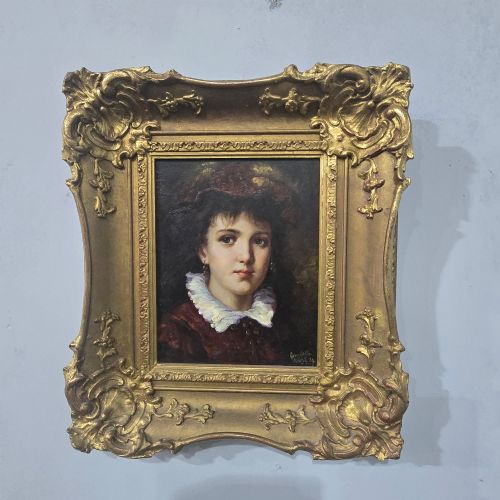
Most pieces on this page are oil paintings rendered on canvas or panel, framed in materials such as giltwood and wood. Subjects range from named sitters of specific lineage to elegant young beauties and self-portraits by women artists.
Materials and techniques
Artists relied primarily on oil paint applied to canvas or wood panels, sometimes incorporating gold leaf and gesso within the decorative frames. The physical support often dictates the age, with seventeenth-century works frequently appearing on panel before canvas became the standard.
Framing is integral to these pieces, utilising carved wood, giltwood, and ebony to house the oil paintings securely. The combination of oil on canvas with period frames defines the physical structure of the works.
Several ladies gaze out across the centuries wearing elaborate lace collars and carrying red parasols.
Judging quality in portraiture
Quality rests in the handling of light, fabric textures, and facial expression rather than the social status of the sitter. Superior works capture the translucent quality of skin, the weight of velvet and lace, and the psychological depth of the subject.
The attribution to known artists, studio workshops, or recognised historical schools elevates a piece. Better preserved surfaces retain their original pigment vibrancy without heavy overpainting or structural compromise to the canvas and panel.
Sir Martin Archer Shee·Pierre Mignard·Sir Peter Lely·Thomas Beach·Sir Allan Ramsay·John Russell·Cornelius Johnson·John Greenhill·Thomas Gainsborough
The Female Portraiture Painting Glossary
- Oil on canvas
- A painting medium where pigments are bound with drying oils and applied to a stretched woven fabric. This combination allows for rich blending and enduring colour depth.
- Giltwood
- Wood that has been coated with a thin layer of gold leaf or powder. It frequently frames historical portraits to add reflective brilliance.
- Gesso
- A plaster-like mixture used as a smooth base for paint or gilding on wood panels and frames. It provides a stable foundation for decorative surface work.
- Panel painting
- A flat piece of wood used as a structural support for an artwork. Panels are characteristic of earlier centuries before canvas dominated.
- Circle of
- A designation indicating the work was produced by an artist closely associated with a master, sharing a distinct stylistic approach.
Female Portraiture Painting: Frequently Asked Questions
How do I date a female portrait?
Dating relies heavily on the sitter's costume, hair styling, and the framing materials used at the time. Written documentation on the reverse or historical attribution also helps establish the era.
Techniques such as panel construction for earlier pieces and canvas preparation for later works provide further physical clues to the century of creation.
What is the difference between studio work and an original piece?
An original piece is painted entirely by the named master artist. Studio works are executed by assistants under the direct supervision of that master.
Both hold historical value, though fully attributed works by primary hands typically command higher regard among collectors.
How should I hang an oil portrait at home?
Hang oil portraits away from direct sunlight and damp environments to protect the canvas and the giltwood frame. Stable indoor temperatures prevent the wood and paint from cracking.
Ensure the wall fixings match the substantial weight of period frames, especially for larger nineteenth-century examples.
Are all sitters in these paintings identified?
Many sitters remain anonymous or are known only by general titles like a lady of a specific family. Historical records sometimes lose the identity of the individual over centuries.
Research into heraldry, costume details, or accompanying inscriptions occasionally uncovers the true identity of the subject.