





Female Portrait in Oils
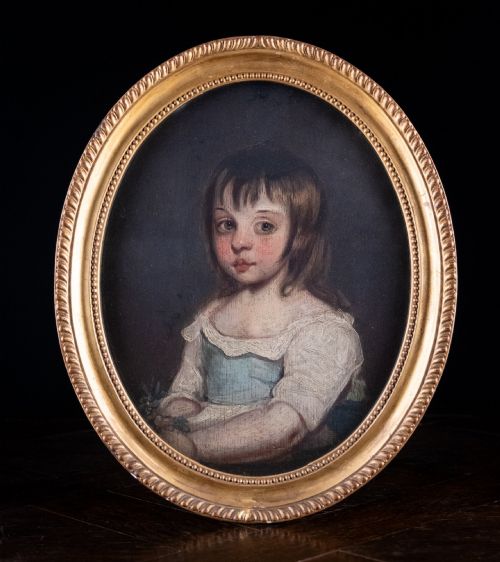
A female portrait in oils captures the likeness and social standing of women across centuries through layered pigments on canvas.
Female Portrait in Oils
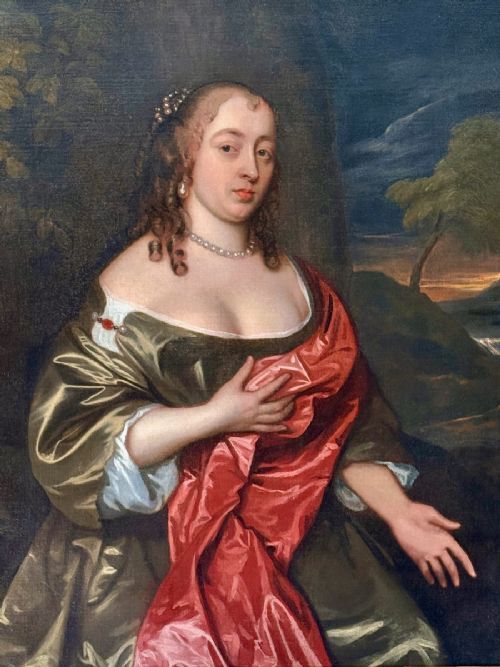
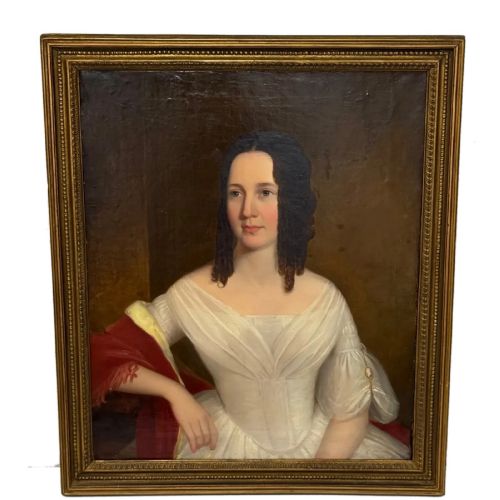
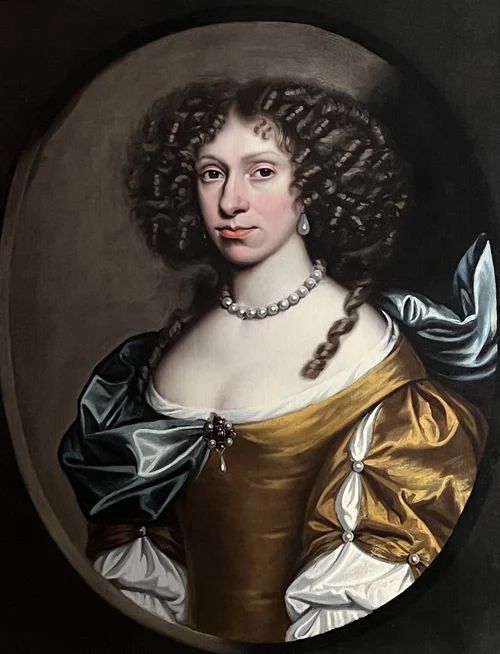
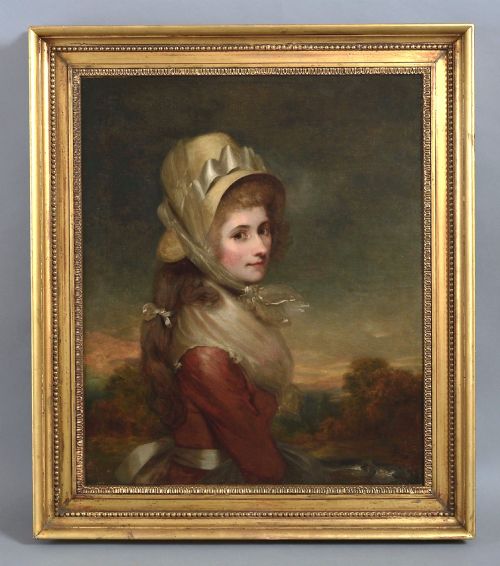
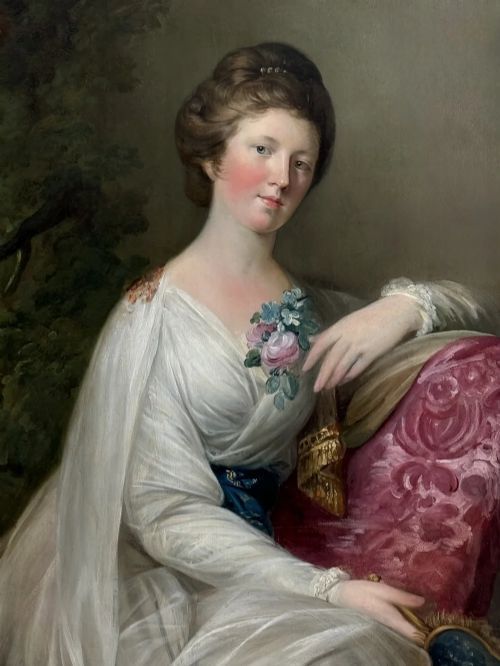
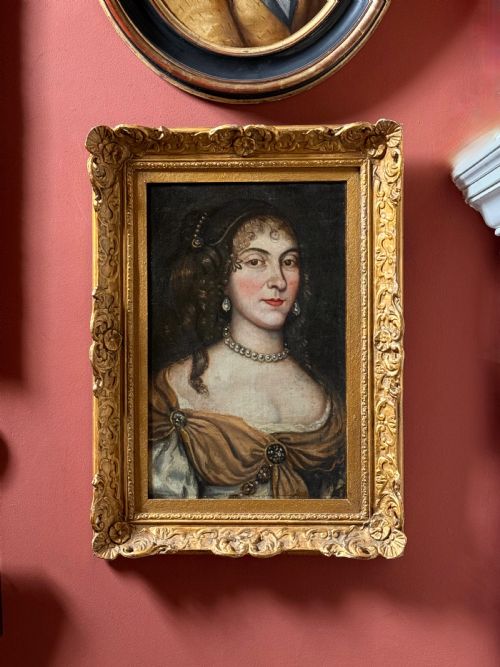
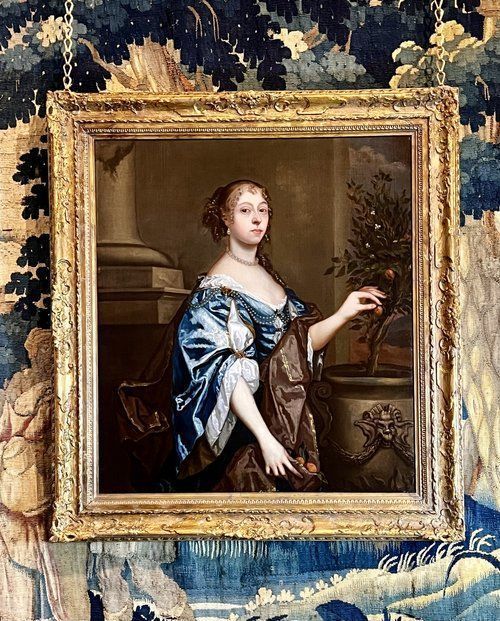
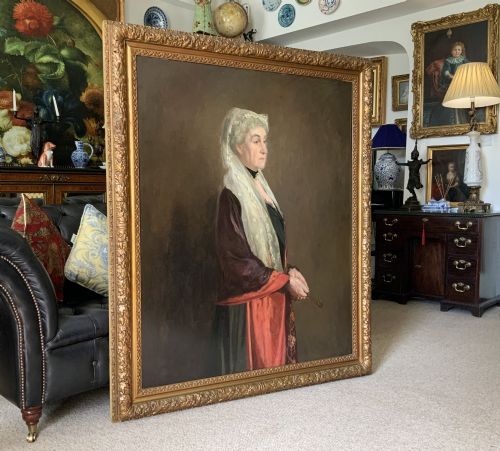
A female portrait in oils represents women from diverse eras, ranging from noblewomen of the seventeenth century to subjects depicted in Victorian and Edwardian art. Buyers encounter works spanning from the Baroque and Georgian periods through to mid-twentieth-century examples.
The selections include aristocratic depictions alongside country subjects and formal studio pieces. Canvases originate from various European schools, reflecting the evolving styles of portraiture over hundreds of years.
Subjects range from named historical figures to anonymous sitters captured in elaborate costume or everyday dress. Each painting provides a visual record of changing fashions, statuses, and artistic conventions.
Materials and construction
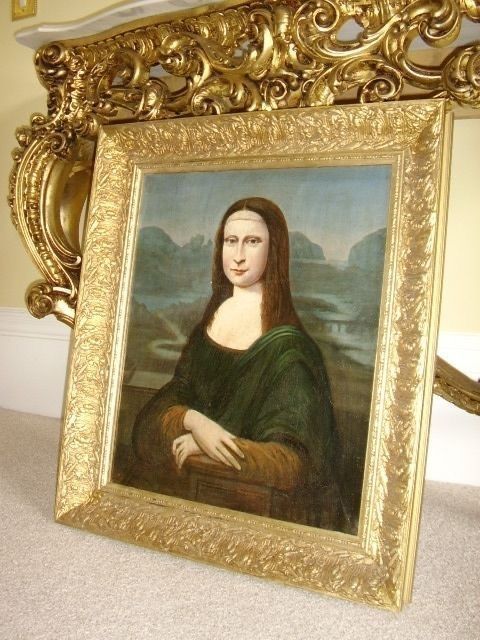
Artists painted primarily using oil on canvas or wood panel, applying pigmented oils that allowed for subtle blending and rich colour depth. Many works are housed in their original giltwood frames, incorporating carved wood and gold leaf.
Techniques varied from meticulous studio rendering by established masters to looser applications by regional schools. Painters built up the image through underpainting and successive layers of glaze to achieve luminosity in skin tones and textiles.
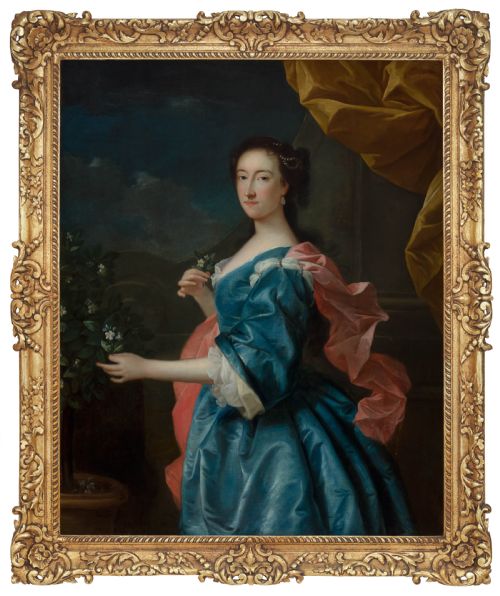
Several noblewomen share the canvas with unexpected companions, including pet dogs and heavy branches of citrus fruit.
Assessing execution and preservation
Quality rests upon the skill of the brushwork, particularly in the rendering of hands, facial expressions, and textiles such as silk or lace. Superior pieces display anatomical accuracy and psychological depth, whereas lesser works can appear stiff or formulaic.
Condition plays a central role, distinguishing works with original surfaces and minimal retouching from those compromised by heavy restoration or past lining. The integrity of the canvas and the preservation of the pigment layers determine the visual impact of the portrait.
John Hayls·David Scougall·Charles Jervas·George Willison·Jeremiah Davison·Pieter Borsseler·Sir Peter Lely·Sir Thomas Lawrence
The Female Portrait in Oils Glossary
- Oil on canvas
- A painting medium where pigments are suspended in a drying oil, applied to a stretched woven fabric support. This combination allows for rich textures and gradual colour transitions.
- Giltwood
- Wood that has been coated with a thin layer of gold leaf or gilt powder. It is frequently found on the ornate antique frames surrounding historical portraits.
- School
- A group of artists working in a similar style, geography, or period, often under the direct influence of a master. Attributions to a school denote stylistic kinship rather than direct authorship.
- Panel painting
- A rigid support made from wood used as a base for oil paint prior to the widespread adoption of canvas. Panels provide a completely stable surface that prevents flexing.
Female Portrait in Oils: Frequently Asked Questions
How do I identify the period of a portrait?
Dating relies heavily on the sitter's costume, hairstyle, and collar fashion, which changed rapidly across the seventeenth, eighteenth, and nineteenth centuries. Comparing the painting technique and the style of the gilt wood frame offers further chronological clues.
Signatures, inscriptions on the reverse, or historical records of the sitter help narrow down the decade of creation. Expert analysis of the canvas weave and pigments provides scientific confirmation of the era.
What is the difference between studio work and an original master?
An original painting is executed entirely by the named master artist, commanding the highest regard among collectors. Studio works involve significant input from assistants or pupils working under the master's supervision.
Follower pieces are created later by artists imitating a particular master's distinct style. While studio and follower works possess great historical charm, they reflect a different tier of artistic production.
How should I hang an oil portrait at home?
Display paintings away from direct sunlight and steady heat sources to prevent the canvas from drying out and the oil paint from cracking. Maintaining stable indoor humidity protects both the canvas and the wooden frame.
Ensure the wall fixings are robust enough to support heavy giltwood frames safely. Professional picture hooks suited to the weight of the piece are essential for secure placement.
Why do some portraits depict oranges or orange trees?
Oranges served as a prominent symbol of wealth, status, and exotic luxury in seventeenth- and eighteenth-century portraiture. Owning citrus fruit demonstrated access to imported goods and heated orangeries.
The fruit also carried allegorical meanings related to fertility, virtue, and nobility. Sitters frequently posed beside them to subtly communicate their social standing.