

Female Head Sculpture
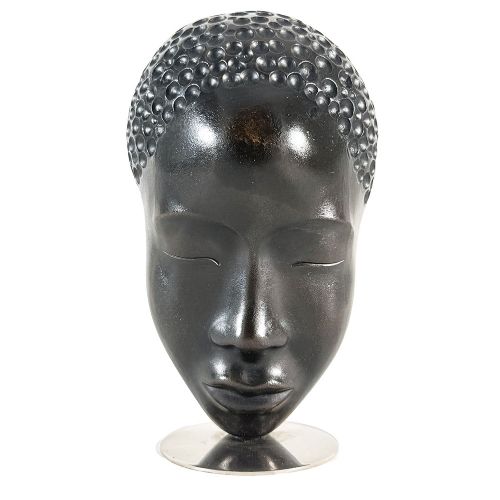
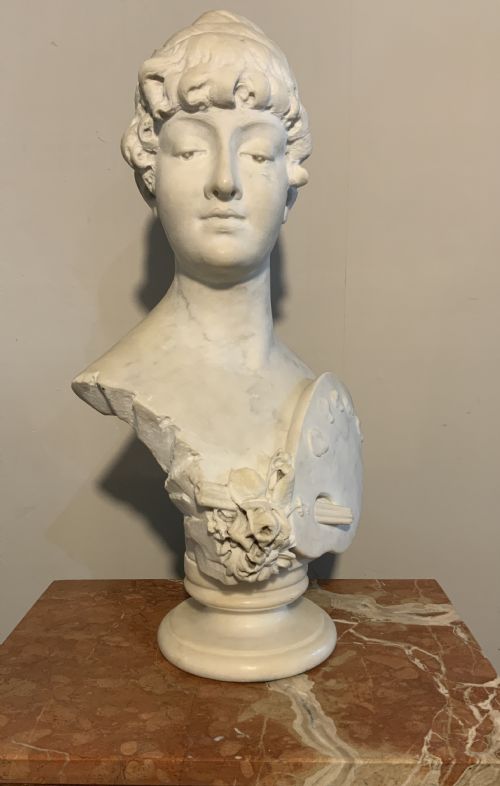
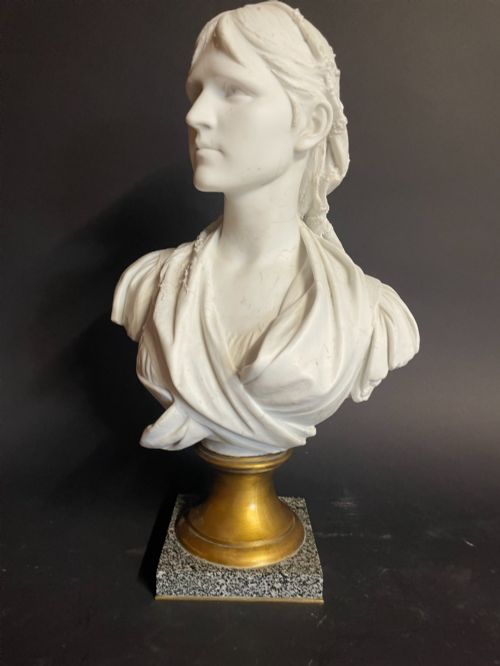
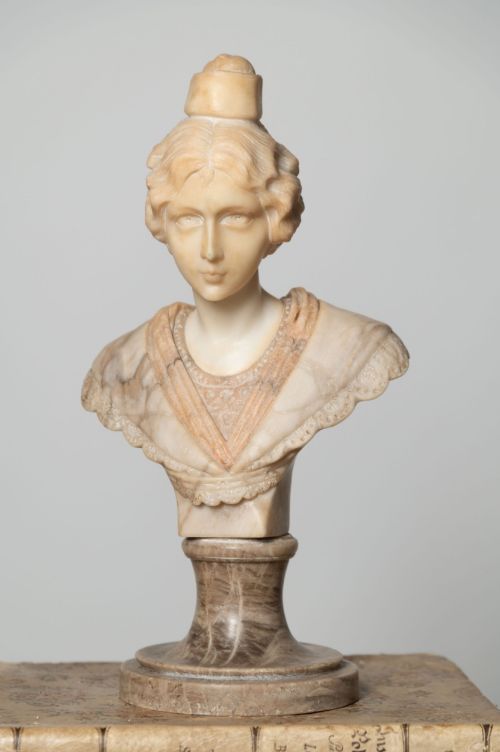
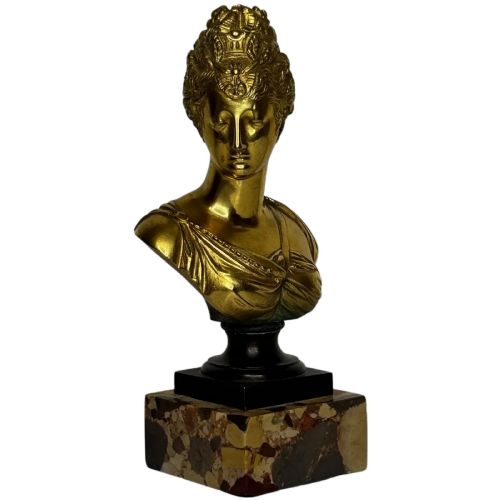
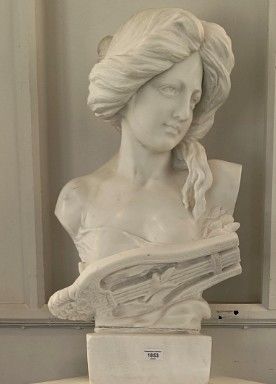
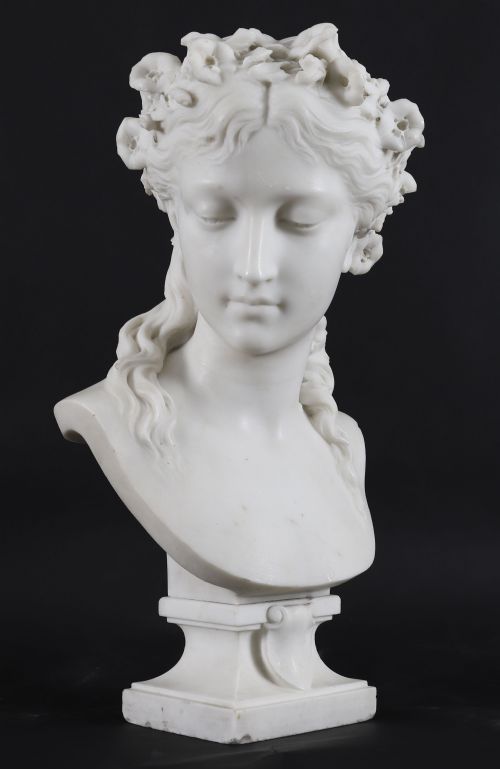
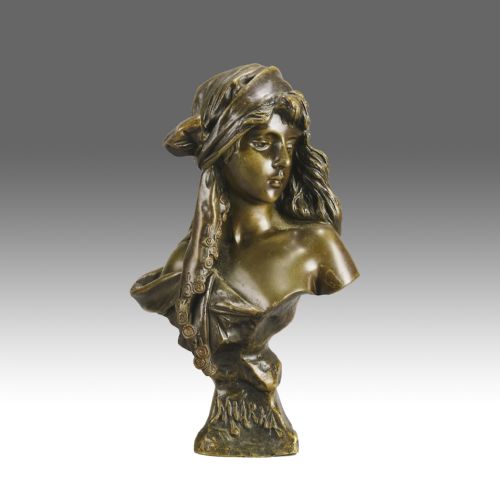
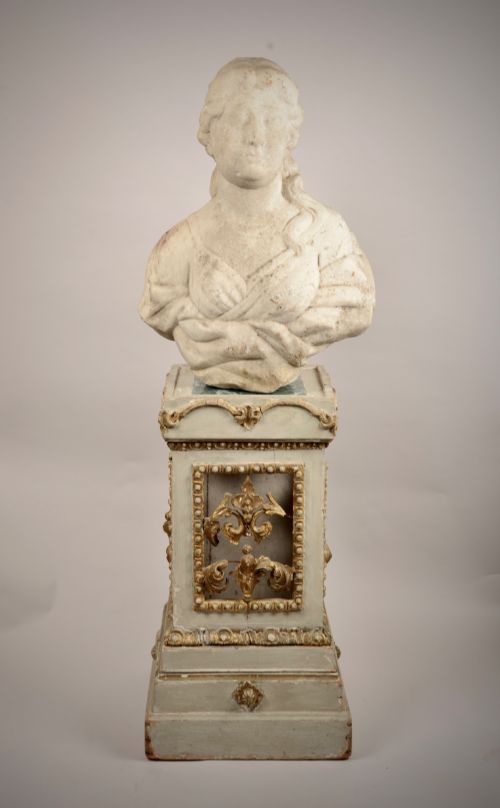
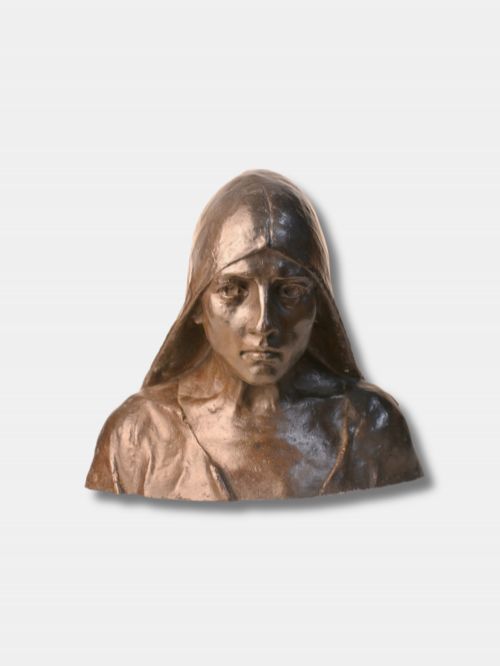
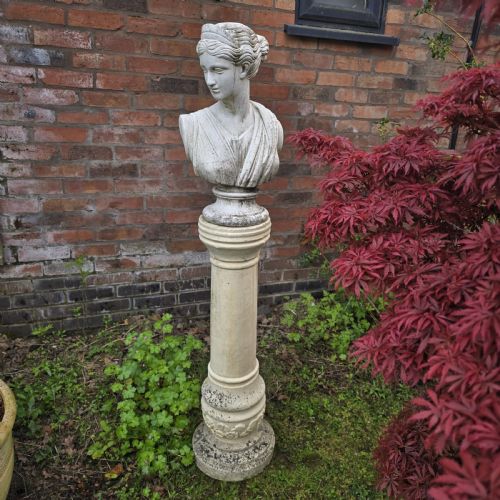
A female head sculpture captures the grace and character of women through marble, bronze, alabaster and terracotta across several centuries.
Female Head Sculpture
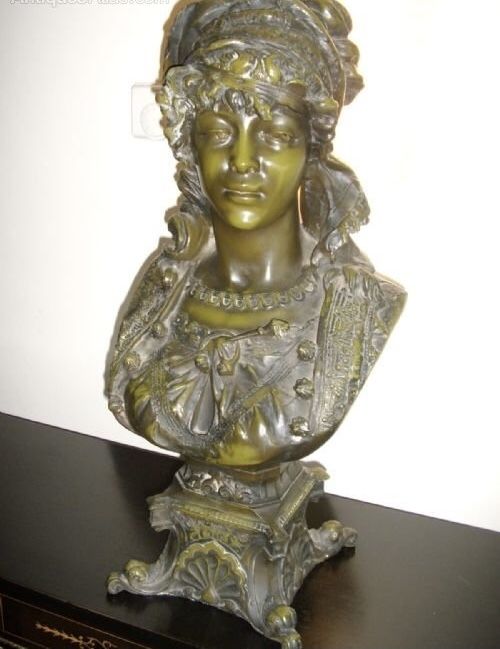
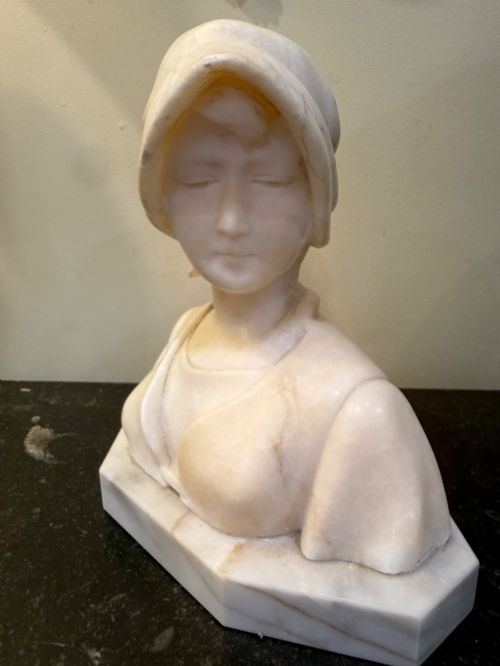
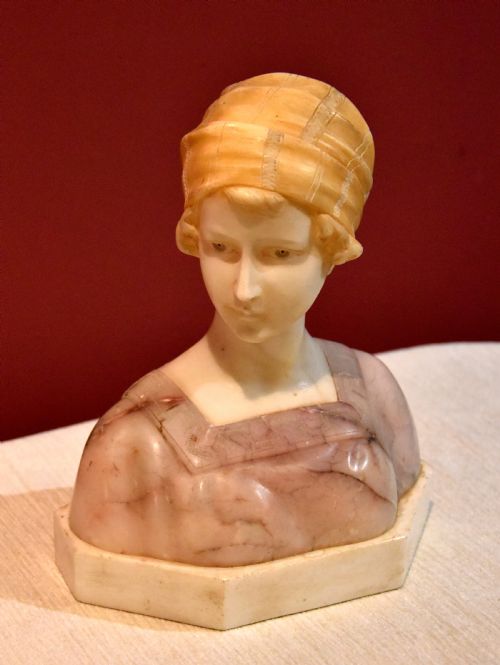
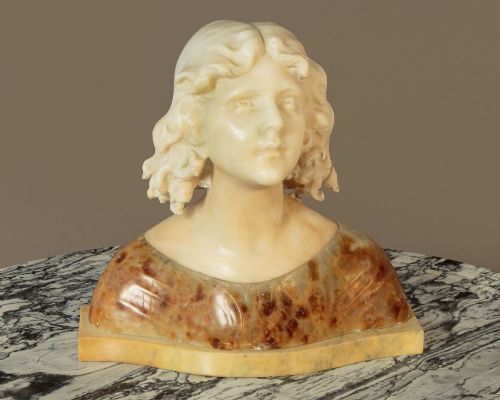
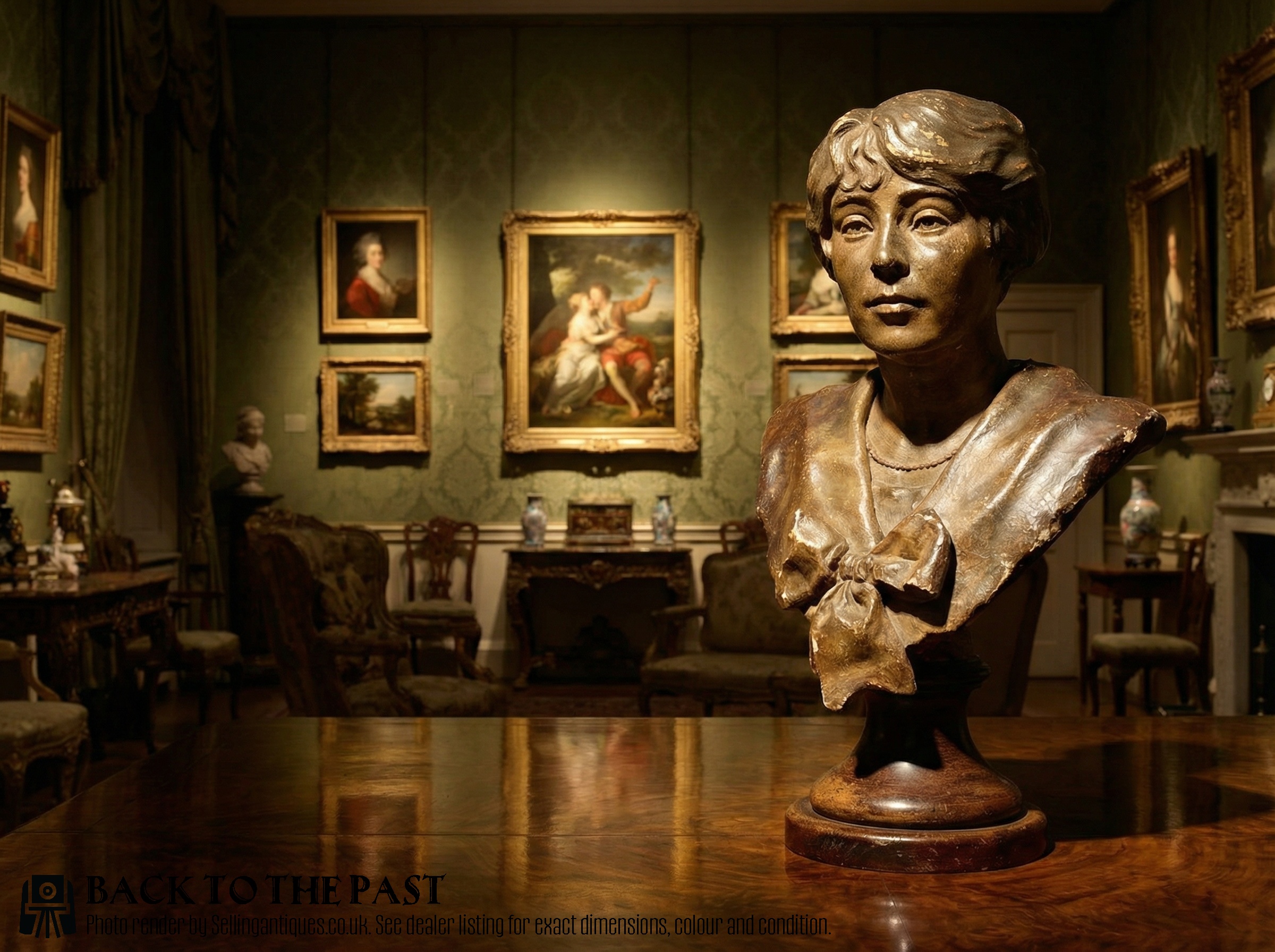
A female head sculpture encompasses carved and cast depictions of women, ranging from classical figures and mythological subjects to portraits of young ladies and noble figures. Buyers searching for a female head sculpture will encounter various forms, most commonly marble and bronze busts originating from the nineteenth century.
The selections span distinct historical movements, including Neoclassical, Art Nouveau, and Art Deco interpretations. Pieces reflect both French and Italian influences alongside English and Austrian examples, demonstrating diverse stylistic approaches to portraying the female form.
Makers and sculptors utilised traditional materials to create wall masques, garden statuary, and freestanding desk or pedestal busts. These objects vary from idealised ancient goddesses to specific historical and literary characters rendered with careful attention to detail.
Materials and methods of creation
Foundries produced metal works by casting bronze or iron, frequently applying patination to create dark or metallic surface tones. Terracotta and plaster items involved modelling clay or pouring mixture into moulds, sometimes followed by painted decoration or bronzed finishes.
The selection includes works originating from France, Italy, England, Austria, and Russia across diverse styles including Baroque, Neoclassical, Art Nouveau, and Art Deco.
Distinctions in quality
The distinction between standard works and superior examples lies in the refinement of the carving and the sensitivity of the modelling. Master sculptors captured subtle facial expressions, complex hair braiding, and the delicate texture of skin and fabric with high precision.
The choice and purity of the material also dictate the standing of a piece, particularly in white marble, where uniform grain and the absence of natural flaws enhance the visual impact. Signed works by recognised modellers demonstrate superior craftsmanship compared to unsigned studio outputs or later reproductions.
Eugene Aizelin·Emmanuel Villanis·Henry Wissen Senior·Auguste Henri Carli·Emile Jespers·Gilbert Privat·Boudewijn Tuerlinckx·Georges Morin
The Female Head Sculpture Glossary
- Bust
- A sculpted representation of a person's head, shoulders, and upper chest. This format is the most common presentation found within the selection.
- Carrara marble
- A type of white or blue-grey marble quarried in the city of Carrara in Tuscany, widely favored by classical and nineteenth-century sculptors for its fine grain.
- Patinated bronze
- Metal sculpture treated with chemicals, heat, or specialised paints to produce a coloured surface film. This technique protects the metal and adds depth to the appearance.
- Terracotta
- A porous earthenware clay fired at low temperatures, ranging in colour from pale orange to dark red. It allows sculptors to model expressive surface details directly before firing.
- Neoclassical
- A Western cultural movement drawing inspiration from the art and culture of classical antiquity. Sculptures in this style emphasise proportion, order, and mythological subjects.
Female Head Sculpture: Frequently Asked Questions
What materials were used?
Makers utilised natural stone such as marble, alabaster, and general stone alongside cast metals like bronze and iron. Softer substances like terracotta, plaster, wood, and paint also appear frequently across the periods.
Selection depends on the desired weight and finish, with marble and bronze offering durable longevity and polished surfaces.
How do I date a bust?
Dating relies upon the prevailing artistic style, such as the flowing organic lines of Art Nouveau or the geometric symmetry of Art Deco. Signatures, foundry marks, and material wear provide further chronological indicators.
Comparing the costume and hairstyle of the subject to historical periods helps narrow down the origin.
Where should I display one?
These sculptures suit stable display surfaces such as wooden sideboards, mantels, or dedicated pedestals that can support heavy stone and metal weights. Wall-mounted items require secure fixings appropriate for plaster or ceramic masques.
Placement should avoid direct sunlight and dramatic temperature fluctuations to protect painted or wooden finishes.
Are signed pieces common?
Many works bear the signature or monogram of the sculptor, sometimes accompanied by foundry stamps on metal examples. Unsigned pieces also exist, representing studio output or anonymous artisan production from the nineteenth and twentieth centuries.
Signatures often help identify the specific European workshop or artist responsible for the carving.