

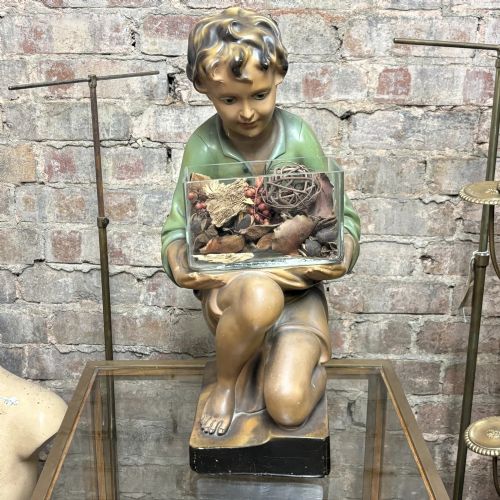


Art Deco Plaster
Art deco plaster brings striking twentieth-century character to an interior, offering sculptural forms that capture modernist elegance.
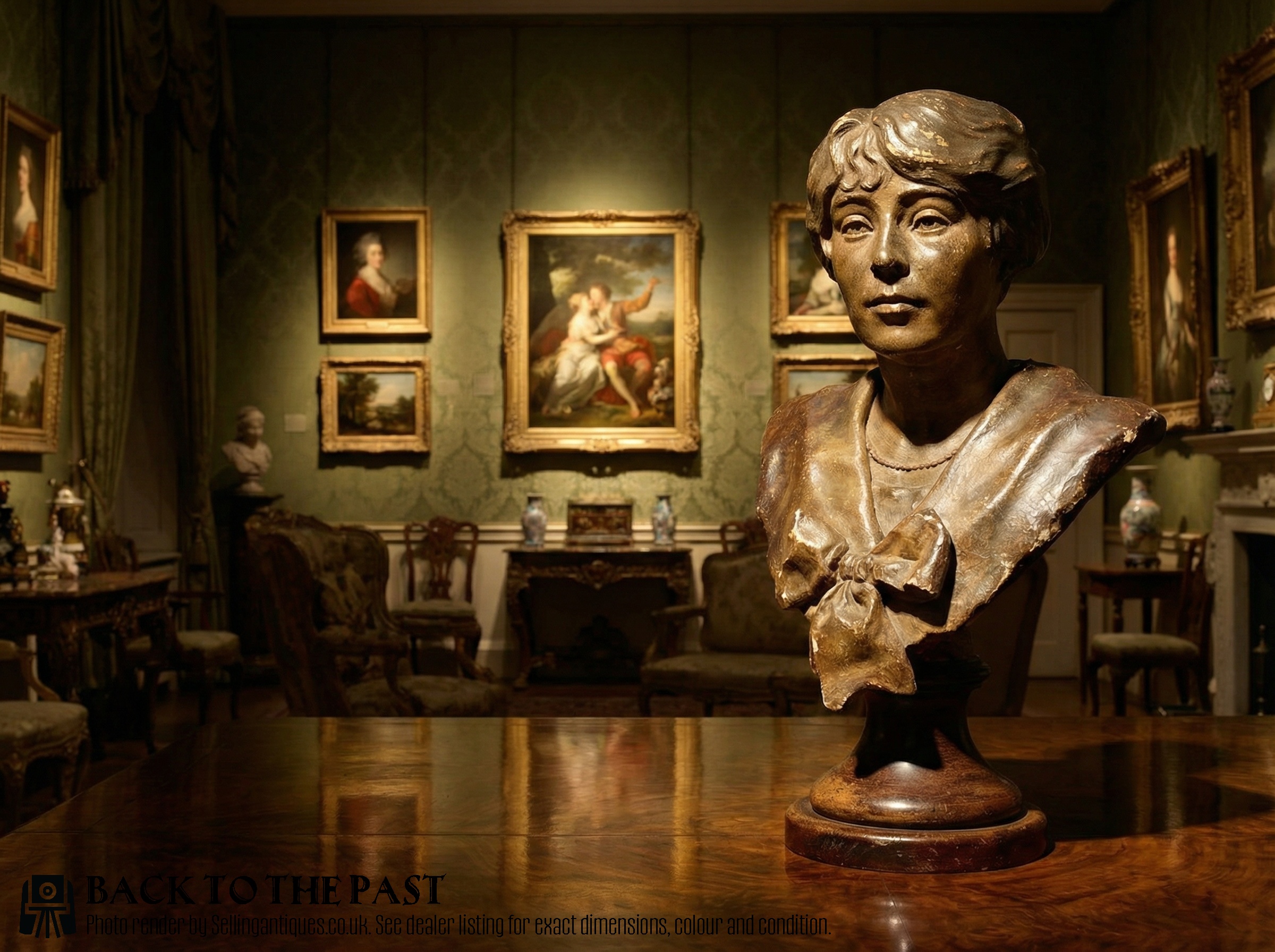
Art Deco Plaster
Art deco plaster encompasses figural sculptures, shop displays, and mannequin busts shaped during the early twentieth century. These pieces reflect the distinctive geometric and stylised aesthetic of the interwar period.
The selections available here range from French advertising figures and counter-top displays to decorative statues of figures, boys with shells, and mothers with children. Pieces commonly date from the nineteen-twenties and nineteen-thirties.
Buyers frequently encounter works originating from English and French workshops, capturing both commercial retail history and domestic decorative arts. The forms extend from grand mannequin busts down to smaller statuettes.
Materials and construction methods
Makers shaped plaster, chalkware, and terracotta into detailed moulds, often reinforcing the core with wood or metal armatures. Artisans then applied paint finishes, including cold-painted details and metallic bronzing.
Surface treatments varied from monochrome painted plaster to multi-coloured pigments on advertising figures and display busts. Frames and stands occasionally integrated additional wooden or metal elements to support the primary medium.
Listings feature plaster, terracotta, chalkware, wood, and metal across nineteen-thirty, nineteen-twenty, and Edwardian periods.
Assessing quality in plaster pieces
Original surface decoration significantly influences the desirability of a piece, with well-preserved hand-painted pigments and authentic patination outperforming later repainting. The presence of legible maker signatures or workshop stamps adds clear attribution value.
Charmereine·Bohumil Rezl·L Somners Smith·Leonardi
The Art Deco Plaster Glossary
- Chalkware
- A moulded gypsum material, often painted to resemble more expensive ceramic or bronze objects. It served as a popular medium for affordable decorative figures.
- Cold-painted
- A technique where paint is applied to a metal or plaster object without subsequent firing or heat curing. This finish remains vulnerable to flaking if handled roughly.
- Mannequin bust
- A sculptural head and shoulders display piece utilised in retail shop windows to showcase millinery, jewellery, or garments. These items capture period fashion and hairstyles.
- Terracotta
- Fired clay used as an alternative sculptural medium alongside plaster. It offers a heavier, more durable substance with a reddish-brown earthy tone.
Art Deco Plaster: Frequently Asked Questions
What are art deco plaster figures?
These pieces are moulded decorative objects and shop displays created during the nineteen-twenties and nineteen-thirties. They capture the stylised human forms and geometric motifs typical of the period.
Many functioned as commercial advertising displays in European boutiques before entering the collector market. Their durable composition allowed workshops to produce expressive sculptures on a commercial scale.
How do I clean plaster sculptures?
Dusting gently with a soft, dry brush is the safest method to maintain fragile painted surfaces. Moisture can dissolve historical pigments and weaken the plaster substrate.
Avoid using water, chemical solvents, or commercial cleaners entirely. Keeping pieces away from direct sunlight and damp environments preserves the original finish.
Where were these pieces made?
The recorded items originate primarily from workshops in England and France. Parisian studios played a major role in producing commercial advertising busts and mannequin displays.
Regional makers and independent sculptors also contributed domestic statuettes and figural groupings. French pieces often bear workshop marks or registry numbers from this era.
How can I date my plaster bust?
Stylistic clues such as hairstyles, clothing design, and base construction provide the primary indicators of age. Twentieth-century works typically reflect modernist aesthetics and interwar fashion trends.
Maker signatures, stamps, and material composition offer further context when comparing pieces to documented examples from the period. Comparing the weight and paint application helps distinguish older production methods.