


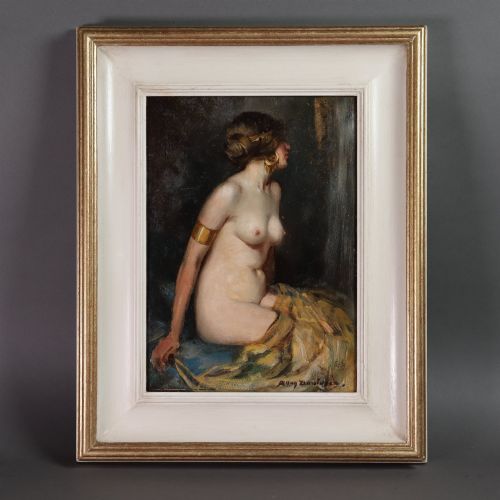


Female Figure Art Study
These works capture a female figure art study through centuries of shifting academic, impressionist and modernist visions in bronze, canvas and paper.
Female Figure Art Study
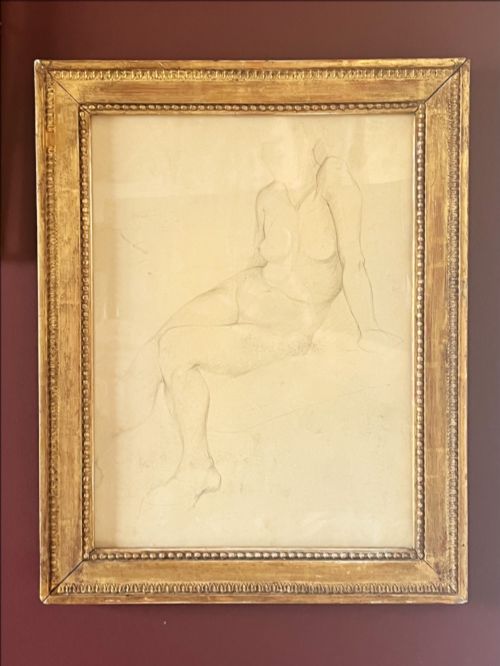
A female figure art study brings together academic life drawings, preparatory sketches and finished painted compositions spanning from the eighteenth century to the mid-twentieth century. Buyers will encounter works ranging from classical French school chalk drawings and Romantic pencil sketches to robust Art Deco bronzes and expressive mid-century canvases.
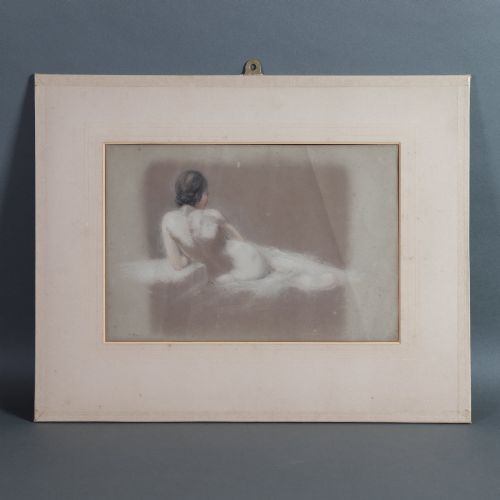
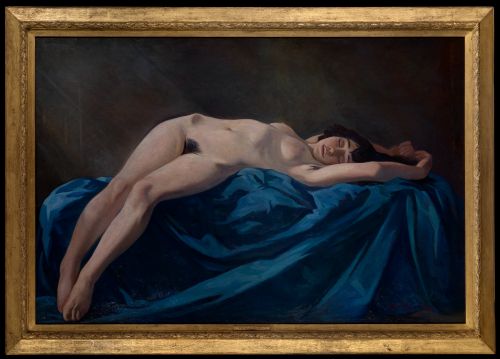
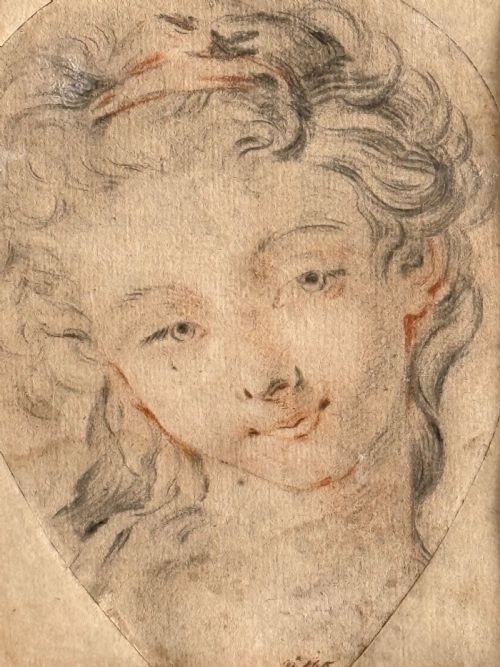
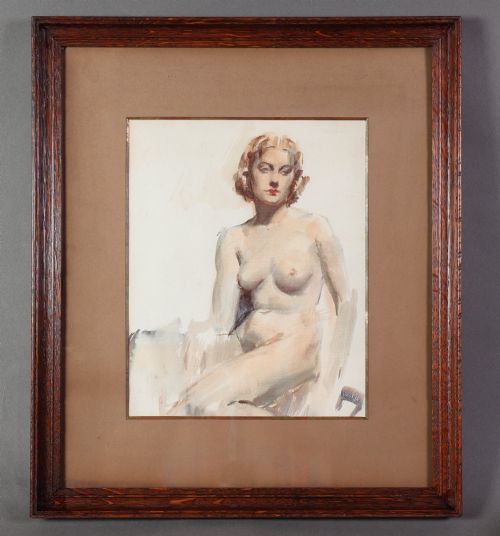
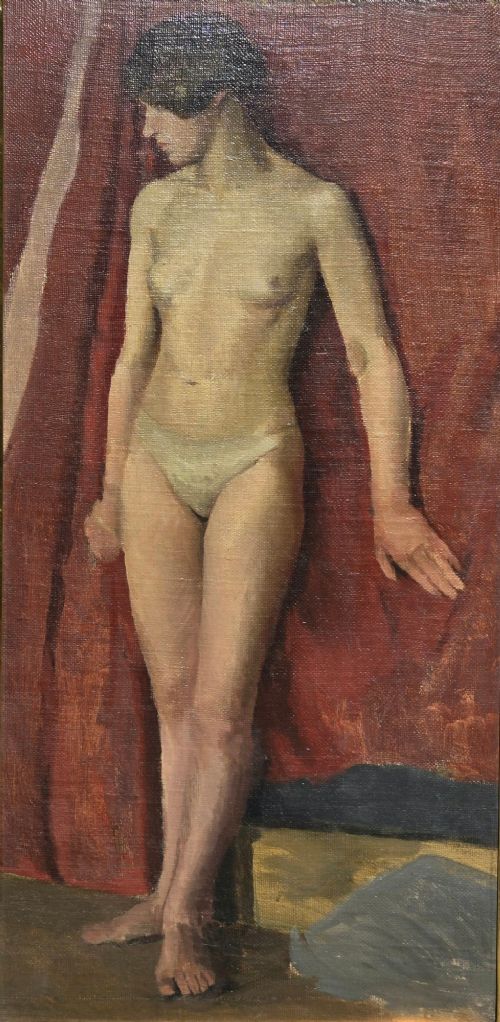
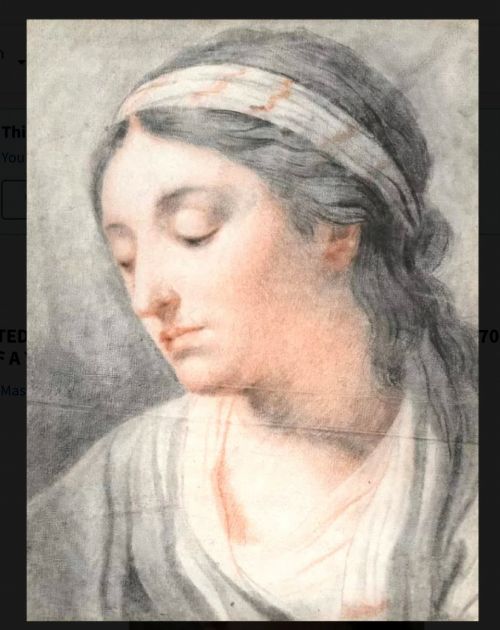
The selections on this page include framed charcoal life studies, sanguine portraits, and intimate oil paintings originating from British and European workshops. Each piece records an artist observing a model, capturing posture, contour and gesture through diverse stylistic movements like Art Nouveau, Modern British and Impressionism.
Materials and techniques
Draftsmen and painters utilised traditional supports such as canvas, prepared board, textured paper and laid chalk, applying media including oil paint, charcoal, sanguine, pencil and pastel. These tactile materials record the immediate gestures of the hand, preserving hatching, smudging and layered brushwork.
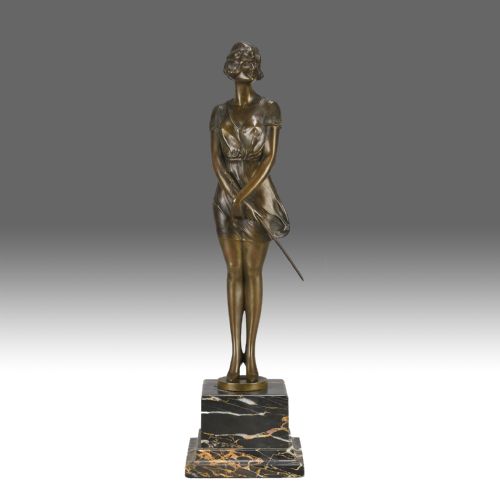
Sculptural studies were cast in bronze, frequently employing cold-painted finishes or patination to articulate garments, hair and flesh. The physical interaction between artist and material defines the character of every piece, from fluid pen and ink lines to substantial sculptural casts.
Listings feature works spanning the eighteenth century through to the 1960s, executed in oil paint, bronze, charcoal, pastel, chalk, ink and pencil.
Distinctions in quality
Quality rests upon the confidence of the line, the accuracy of anatomical proportion and the sensitivity with which light models the form. A strong study demonstrates an artist's ability to command posture and mood with economy, whether through swift charcoal strokes or assured oil painting.
In sculptural casts, quality is revealed in the crispness of the chasing, the subtlety of the cold-painted surface and the fidelity to the original model. Works by established practitioners display a distinct mastery of weight, balance and psychological presence.
Bruno Zach·William Etty·Francois Boucher·Eric Robertson·Augustus John·Lucien Gibert·Allan Douglas Davidson·Hector Lemaire·Augustus Edwin John·William Edward Frost·Peter Jackson·Winifred Eugene Ballard·Emmanuel Villanis·Josef Lorenzl·Yetta Kane·Raymond Arthur Roadnight·Frank Dobson·Henry Bird
The Female Figure Art Study Glossary
- Sanguine
- A reddish-brown chalk used extensively for portraiture and life drawing since the Renaissance. It allows artists to achieve warm skin tones and subtle tonal gradations.
- Chiaroscuro
- The use of strong contrasts between light and dark to give a three-dimensional volume to figures. This technique was favoured by academic and romantic painters to create dramatic depth.
- Life study
- An artwork created from a live human model, serving as a foundational exercise or a finished composition. These pieces capture immediate observation rather than idealised convention.
- Cold-painted bronze
- A metal sculpture painted with oil or enamel colours after casting, rather than patinated with heat and chemicals. This technique gained immense popularity during the Art Deco period.
- Mixed media
- An artwork employing more than one medium or material on a single support, such as charcoal combined with chalk and pastel. It permits varied textural effects within one composition.
Female Figure Art Study: Frequently Asked Questions
What is a life study?
A life study is a direct drawing, painting or sculpture made from a human model in a studio setting. These works record the observation of anatomy, posture and light without the filter of academic convention.
Artists used these exercises to test compositions or hone observational skills before undertaking large canvas paintings. Consequently, surviving studies offer an intimate view of working methods and artistic intent.
How do I care for works on paper?
Drawings in charcoal, pencil, chalk and pastel require careful framing behind protective glazing to prevent smudging and environmental degradation. Direct sunlight causes fading on sensitive pigments and papers over time.
Keeping pieces away from damp environments prevents foxing and mould growth on organic supports. Acid-free mounting ensures the paper remains stable across decades of display.
What distinguishes Art Deco bronzes?
Art Deco bronzes feature stylised geometric forms, sleek silhouettes and polished or cold-painted surfaces that reflect the design ethos of the interwar decades. Sculptors focused on dynamic movement, dance and modern glamour rather than traditional classical repose.
Foundries used specialised patination and multi-part casting techniques to achieve crisp details on figures such as dancers and models. These objects capture the energetic spirit of European sculpture between the wars.
How were charcoal and chalk used together?
Artists combined charcoal and chalk on tinted or laid paper to build up rapid tonal contrasts and highlights simultaneously. Charcoal laid down deep shadows and structural outlines while white chalk picked out light falling across the skin.
This method allowed draftsmen to model three-dimensional volume with speed and precision during extended studio sessions. The resulting works preserve the immediate friction of dry media on textured surfaces.