


Farmhouse Wooden Armchair
A farmhouse wooden armchair brings sturdy regional character to a room, offering generous proportions and honest construction shaped by daily domestic life.
Farmhouse Wooden Armchair
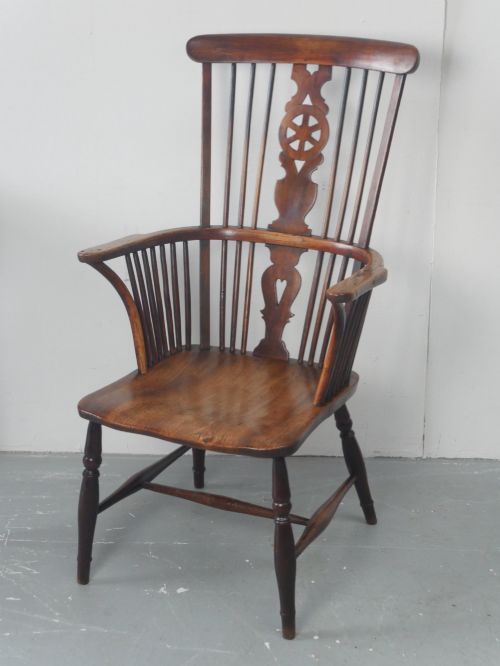
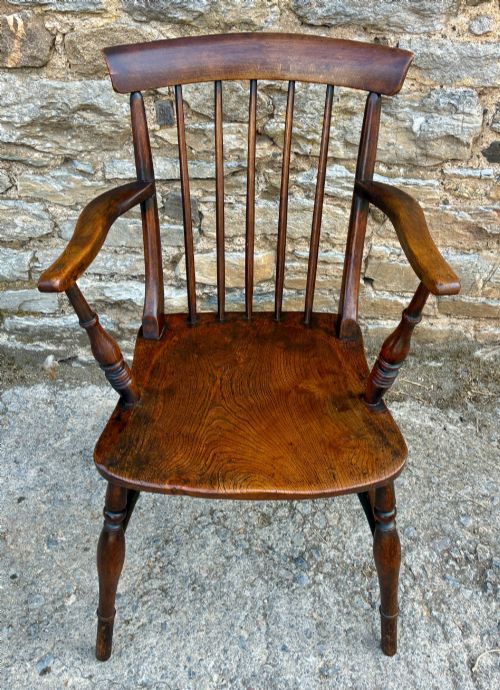
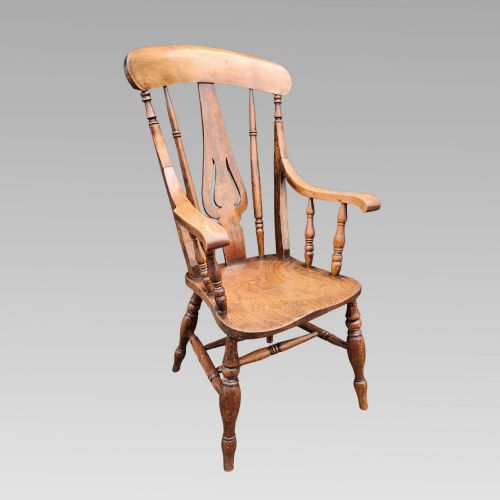
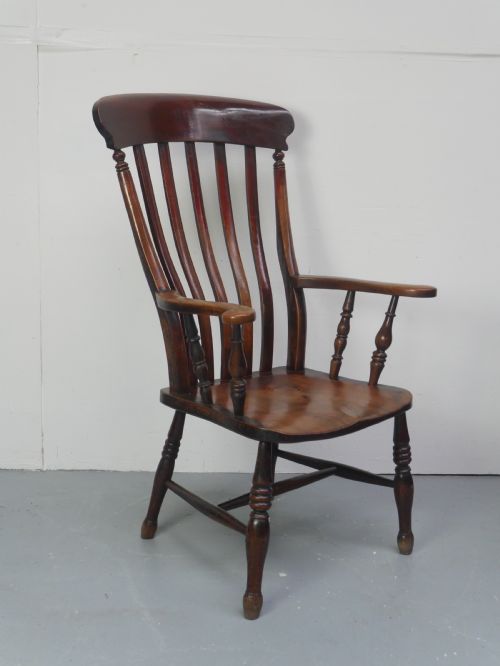
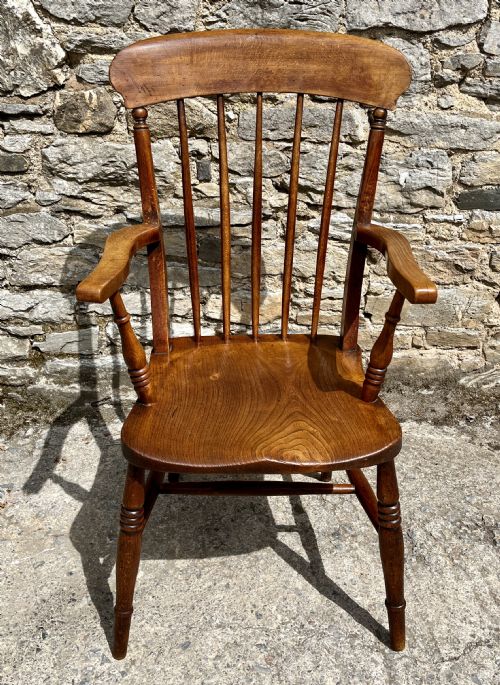
A farmhouse wooden armchair serves as a robust seat designed for everyday utility, appearing predominantly as Windsor variants with spindle, stick, or hoop backs. These pieces emerge from the nineteenth century and early twentieth century, spanning periods from Victorian production to Arts and Crafts workshops.
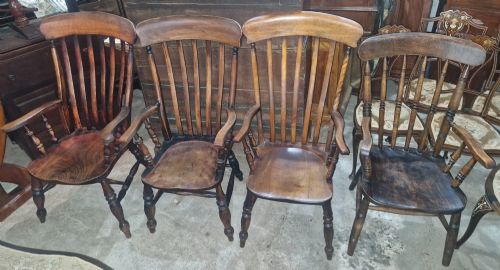
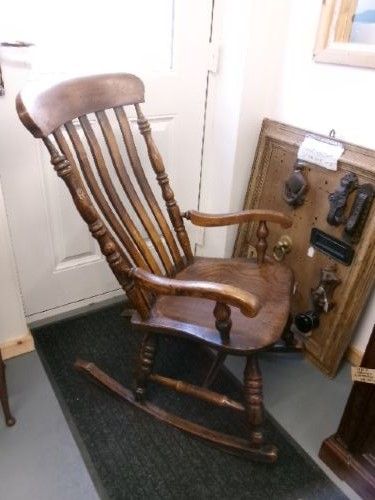
The most common form met here is the kitchen or dining armchair, constructed with a saddle seat and a combination of turned spindles. Regional variations include Yorkshire rocking chairs and extra-tall proportions, reflecting the practical demands of rural British homes.
Makers utilised local timbers to build these sturdy seats, resulting in robust frames that survive in dining sets or as individual fireside chairs. The styles range from Victorian Country and English Country traditions to distinct Arts and Crafts expressions.
Assessing quality and proportion
Quality rests in the depth of the sculpted elm seat and the balance of the turned components, where superior examples display crisp spindle turnings and harmonious proportions. Extra-large or extra-tall formats require careful structural integrity to support the wider frames.
The character of the timber grain dictates visual appeal, with rich figuring in elm seats and fruitwood accents elevating the piece above standard utilitarian seating. Wear should appear honest and smooth from long use rather than compromising the underlying joinery.
Current listings feature elm, beech, ash, oak, fruitwood, yew, and rush across Victorian and Arts and Crafts periods.
The Farmhouse Wooden Armchair Glossary
- Windsor armchair
- A wooden chair characterised by a heavy solid timber seat into which the legs and back sticks are independently tenoned. This construction provides exceptional sturdiness without requiring a bulky wooden frame.
- Spindle back
- A chair back composed of numerous thin, turned vertical wooden rods supporting the top rail. These components distribute pressure evenly and give the chair a lighter visual silhouette.
- Hoop back
- A continuous curved wooden bow that forms both the armrests and the upper back of the chair. Steam-bending allows the timber to curve smoothly around the sitter.
- Rush seat
- A seating surface woven from dried marsh rushes twisted into cords and patterned across the frame. This traditional technique offers a resilient and textured pad for dining chairs.
Farmhouse Wooden Armchair: Frequently Asked Questions
How do I clean a wooden armchair?
Dust the timber regularly with a dry cloth and occasionally feed the surface with a traditional beeswax polish to nourish the grain. Avoid chemical sprays that can strip the historic patina accumulated over decades of use.
Keep the chair away from direct heat sources and radiators, which cause timber to dry out, shrink, and eventually split at the joints.
Are these chairs comfortable for daily sitting?
Most examples feature deeply dished saddle seats carved out of solid elm to fit the body comfortably without requiring deep upholstery. The high backs and sturdy armrests offer solid support for reading or dining.
Adding a loose cushion can adjust the seat height and soften the firm wooden base for longer periods of relaxation.
How do I date a kitchen armchair?
Examine the turning styles on the legs and spindles, as Victorian pieces often display heavier proportions and simpler mouldings than earlier country examples. Tool marks left by pit saws or adzes on the underside of the seat also indicate older manufacturing methods.
Construction details, such as the use of wedge tenons and particular wood combinations like fruitwood and elm, help narrow down the period of origin.
Can I use these chairs around a modern table?
The generous arm heights and wide wooden bows require checking against your table clearance before pairing them for dining. Many homeowners place single armchairs as accent pieces in hallways, bedrooms, or beside a fireplace.
Mixing different country styles creates an eclectic dining arrangement that highlights individual turned details and varied timber tones.