


Famille Verte Porcelain
Famille verte porcelain brings vibrant green-led enamelled palettes into a room, spanning centuries of skilled Chinese ceramic production.
Famille Verte Porcelain
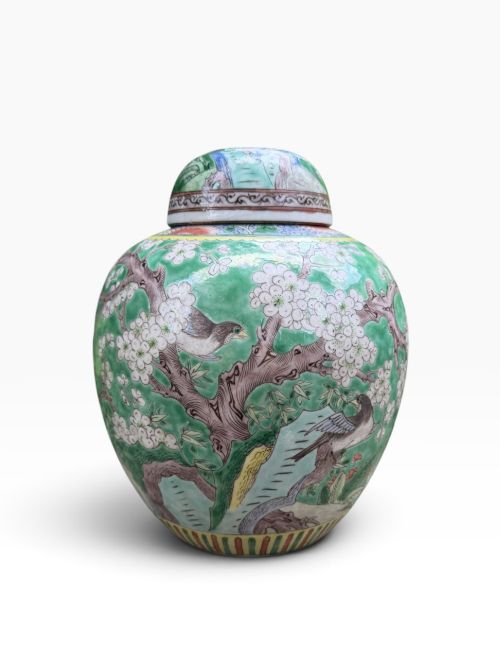
Famille verte porcelain centres on ceramic bodies decorated predominantly in vibrant green enamels alongside other colours. Pieces range from large floor vases and ginger jars to table lamps, brush pots, dishes, and figural sculptures.
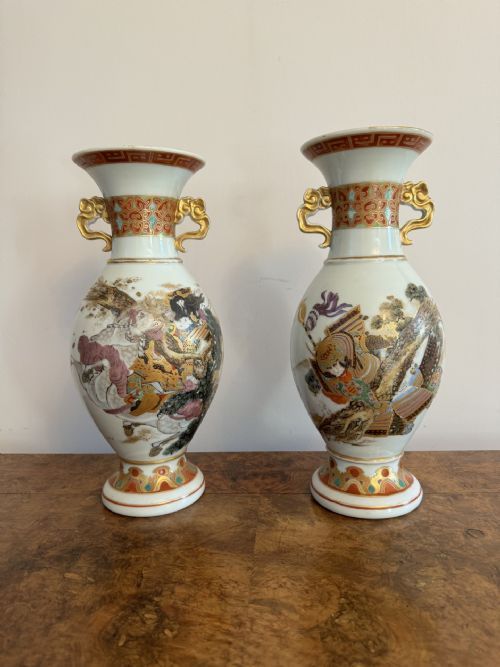
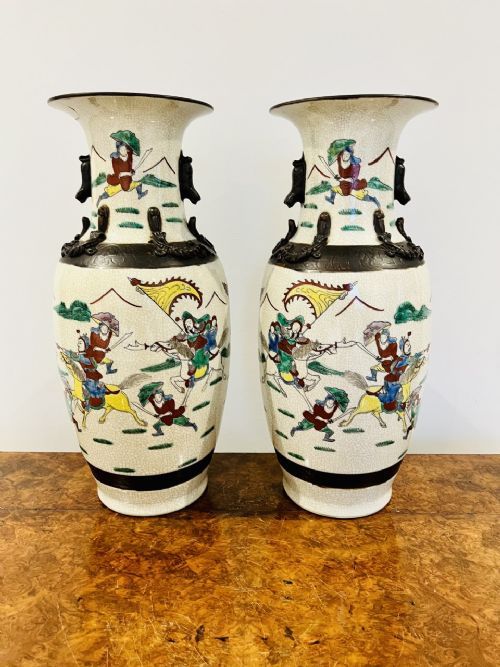
Most examples originate from the Qing Dynasty, particularly the nineteenth century and the Kangxi period, alongside Chinese export wares and later nineteenth-century adaptations. Forms include square vases, baluster vessels, chargers, and pen boxes.
Buyers frequently encounter converted table lamps alongside traditional ginger jars, chargers, and figures such as Foo dogs and parrots. These objects display diverse motifs including court life, flowers, and auspicious characters.
What varies in quality
Quality rests upon the precision of the hand-painted enamelwork and the clarity of the underlying porcelain body. Superior pieces exhibit confident brushwork, well-defined facial expressions on figures, and harmonious colour saturation across the entire surface.
The sophistication of the composition separates standard decorative items from exceptional works. Finer examples display meticulous attention to detail in secondary motifs, balanced spacing, and well-preserved overglaze enamels without excessive rubbing.
Listings feature eighteenth and nineteenth-century pieces alongside Canton styles, featuring porcelain, enamel, brass mounts, and hardwood stands.
The Famille Verte Porcelain Glossary
- Famille verte
- A French term meaning green family, used to describe Chinese porcelain decorated chiefly with green overglaze enamels. This palette emerged predominantly during the Kangxi reign.
- Kangxi period
- The era from sixteen sixty-two to seventeen twenty-two under Emperor Kangxi, noted for exceptional porcelain production. Pieces from this time often command strong collector interest.
- Ginger jar
- A storage jar featuring a rounded body and matching cover, frequently decorated with floral or narrative panels. Originally used for spices, these jars became decorative staples.
- Brush pot
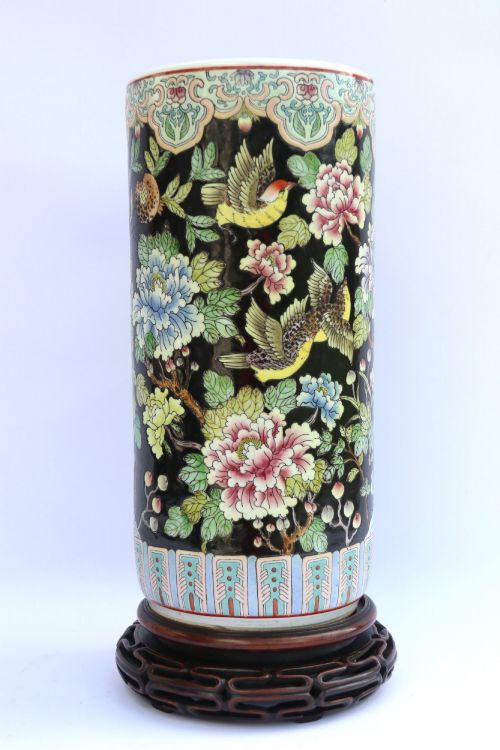
- A cylindrical vessel, also known as a bitong, utilised by scholars to hold writing brushes. They are carved or enamelled with detailed scenes from court life.
- Wucai
- A Chinese ceramic style meaning five colours, which forms the technical predecessor to later famille verte palettes. It combines underglaze blue with overglaze enamels.
Famille Verte Porcelain: Frequently Asked Questions
What is famille verte porcelain?
Famille verte porcelain is a type of Chinese ceramic distinguished by a palette dominated by green enamels. Artisans painted these pieces over the glaze using multiple colours to depict figures, flowers, and narrative scenes.
The style developed significantly during the Qing Dynasty, building upon earlier polychrome traditions. Collectors prize these items for their bright visual impact and detailed hand-painted compositions.
How do I identify a Kangxi period piece?
Kangxi period pieces date between sixteen sixty-two and seventeen twenty-two, showing refined potting and brilliant enamel colours. Many bear Kangxi marks on the base, though later copies also feature similar reign marks.
Examining the weight, the fineness of the porcelain paste, and the depth of the overglaze enamels helps determine the true age of the object. Early pieces often display superior crispness in their drawing.
Were these vases made as lamps?
Most antique porcelain vases were originally created as display pieces, ginger jars, or vessels rather than lighting fixtures. Dealers and owners subsequently converted many nineteenth-century vases into table lamps by adding wiring and brass mounts.
These conversions allow collectors to integrate antique ceramics into modern interiors while retaining the original decorative body. Some lamps retain hardwood stands or custom mountings.
What subjects appear on these ceramics?
Decorations frequently include scenes from court life, mythological figures such as the Eight Immortals, and auspicious symbols like lotus flowers and bats. Artisans also painted botanical motifs, birds, and Ho-Ho boys across chargers, vases, and brush pots.
Each motif carried specific cultural meanings associated with luck, longevity, and high status in traditional Chinese society. The narrative scenes provide insight into historical storytelling.