





Faience Display Plate
A faience display plate is a tin-glazed ceramic charger designed for walls or sideboards, bringing rich historical pigment to a room.
Faience Display Plate
When searching for a faience display plate, buyers encounter large decorative chargers, dishes, and wall plates originating primarily from eighteenth-century Dutch, French, and English workshops. These tin-glazed earthenware pieces function as striking visual objects rather than everyday tableware, often featuring prominent hanging rims or substantial diameters.
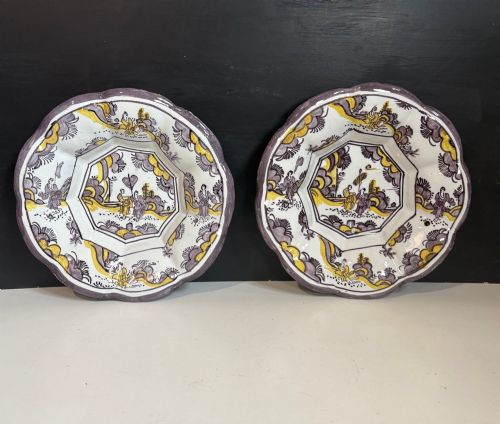
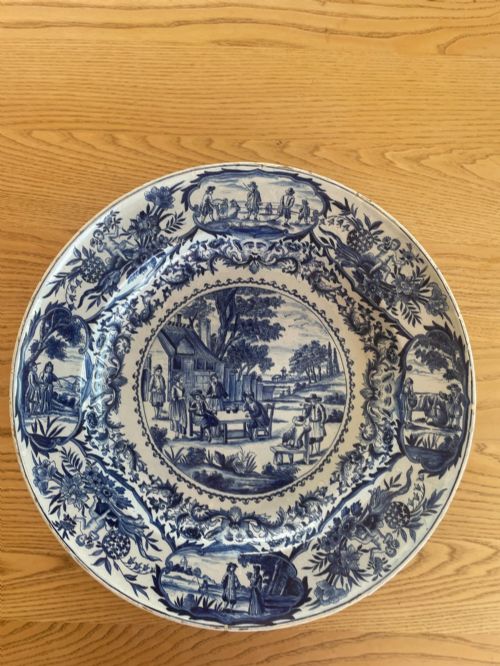
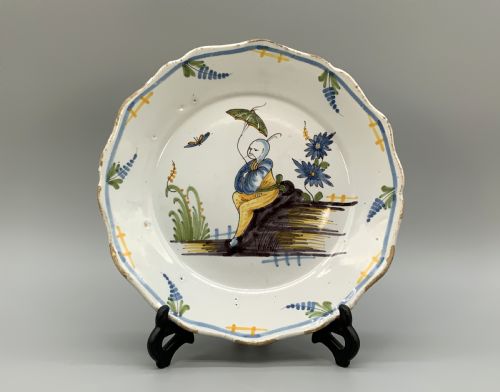
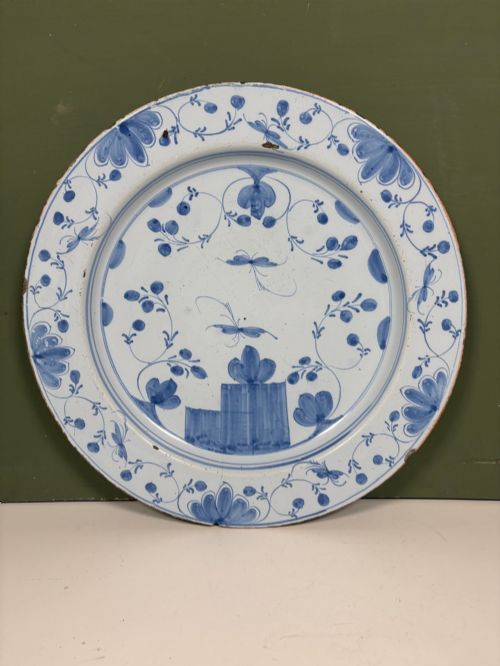
The most common examples on this page are eighteenth-century Dutch Delft chargers and plates, alongside nineteenth-century French faience and twentieth-century regional European earthenwares. These objects span simple blue-painted geometric florals to vibrant polychrome and manganese designs.
How they were made
These pieces rely on a porous earthenware body coated in an opaque white tin glaze, which provides a smooth, milky canvas for painted decoration. Artisans then apply metal oxide pigments directly onto the unfired or raw glaze, allowing the colour to absorb permanently during the single or double kiln firing.
Cobalt pigment delivers the characteristic deep blues associated with traditional Delftware, while manganese, yellow, and other mineral oxides achieve polychrome effects. Painters execute these designs freehand with brushwork that ranges from quick, spirited strokes to detailed Chinoiserie scenes.
Faience Display Plate Retail Price Guide 2026
Typical asking prices for faience display plate among the pieces listed under this phrase on Sellingantiques today, from the lower quarter to the upper quarter. They describe what is for sale here now, not the wider market.
Listings feature tin-glazed earthenware from the seventeenth century through to the twentieth century, with a strong concentration of eighteenth-century Dutch production.
What varies in quality
The distinction between ordinary and exceptional plates lies in the confidence of the brushwork and the clarity of the tin glaze. Superior examples display crisp, expressive pigment application with minimal crawling or pooling in the opaque white surface.
Depth of colour and complexity of design separate standard utilitarian wares from ambitious decorative chargers. Pieces featuring balanced polychrome palettes or intricate geometric and floral compositions command greater visual presence.
Veuve Perrin·Bassano pottery works·Desvres
The Faience Display Plate Glossary
- Charger
- A large decorative plate or dish, traditionally used for display on sideboards or hung upon walls. These pieces generally exceed standard dining diameters.
- Tin Glaze
- An enamel glaze rendered opaque by the addition of tin oxide, creating a white surface suitable for painted decoration. This technique developed significantly across European potteries during the seventeenth and eighteenth centuries.
- Polychrome
- Decoration employing multiple colours rather than a single pigment like cobalt blue. Makers often combined manganese, yellow, and green oxides to achieve rich visual contrast.
Faience Display Plate: Frequently Asked Questions
Can I hang a faience display plate on the wall?
Many large chargers and plates were manufactured specifically for visual display, featuring generous rims or historical provisions for hanging. Using a secure, properly fitted wire hanger allows you to mount them safely without damaging the earthenware body.
Because tin glaze can be brittle along the edges, ensure the hanging hardware distributes weight evenly across the reverse of the dish.
How do I tell Dutch Delft from French faience?
Dutch Delft pieces often lean towards cobalt blue and white tin-glaze combinations, frequently utilising geometric, floral, or maritime motifs inspired by imported Asian porcelain. French faience, such as pieces from Marseille or Desvres, more commonly incorporates varied manganese and yellow palettes.
The underlying clay body and potting style also offer clues, as regional potters utilised local earth and distinct throwing or moulding techniques.
Were these plates used for dining?
While the earthenware body is ceramic, large chargers and decorative display dishes served primarily ornamental purposes in historic interiors. Their substantial size and tin-glazed surfaces made them ill-suited for heavy daily utility, preferring pride of place on dresser shelves or dining room walls.
Using them for dry presentation is possible, but moisture and acidic foods can harm fragile historical glazes over time.
How should I clean my antique plate?
Maintenance requires only a gentle dusting with a soft, dry cloth to remove surface particles. Avoid submerging historical tin-glazed earthenware in water or using harsh chemical cleaners, as moisture can infiltrate old, porous clay bodies.
Keeping the piece away from damp environments and direct heat sources protects the stability of the glaze and prevents pigment fading.