




Faded Oriental Rug
A faded oriental rug brings historic texture to a room, offering muted tones and traditional designs shaped by time.
Faded Oriental Rug
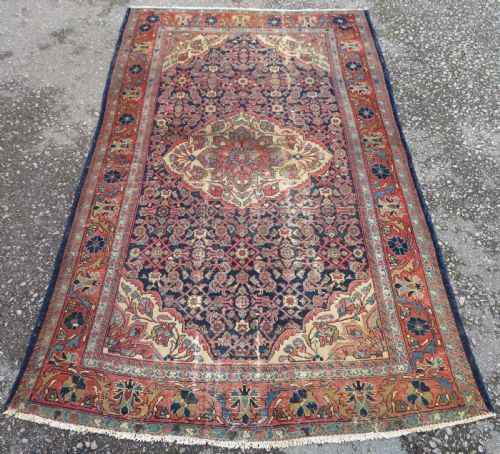
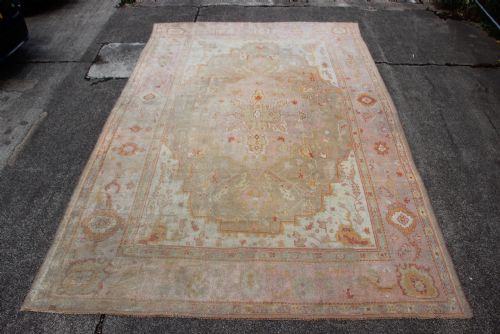
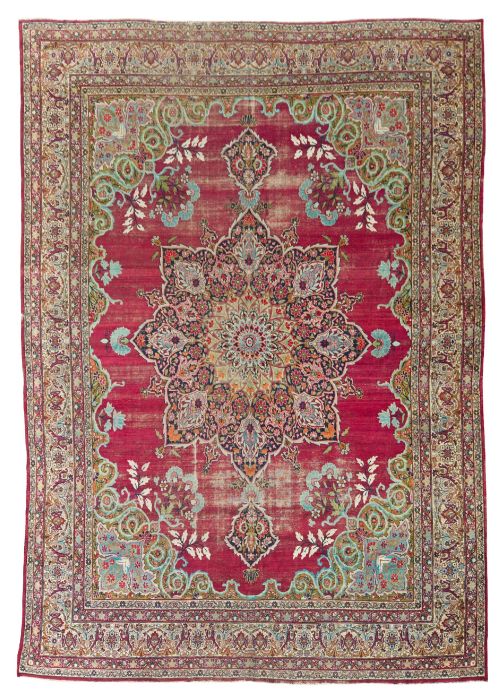
A faded oriental rug represents decades or centuries of wear, bringing a softened palette and gentle character to modern interiors. When exploring this selection, buyers encounter various formats ranging from large carpets to long runners and kilims.
The inventory spans the nineteenth and early twentieth centuries, drawing on Persian, Ottoman, and Anatolian traditions. Pieces originate from weaving centres such as Oushak, Kirman, Sarouk, Tabriz, and Malayer.
Large carpets and room-sized floor coverings dominate the selection, alongside narrow runners suited to hallways and smaller tribal rugs. Each specimen displays the subdued pigmentation and worn surfaces characteristic of aged textiles.
Materials and construction methods
Traditional weavers constructed these floor coverings primarily using wool and cotton foundations, occasionally incorporating angora wool for added softness. Natural dyes yielded the rich base colours that subsequently mellowed through exposure and age.
Hand-knotting techniques secured the pile to warp and weft threads, while flatwoven kilims utilised interlocking or slit-tapestry methods. Specialised looms and regional knot counts defined the structural integrity of carpets from Oushak, Tabriz, and surrounding districts.
Faded Oriental Rug Retail Price Guide 2026
Typical asking prices for faded oriental rug among the pieces listed under this phrase on Sellingantiques today, from the lower quarter to the upper quarter. They describe what is for sale here now, not the wider market.
Some carpets travelled through European trading houses before finding quiet retirement on wooden floors.
Factors determining quality
Quality rests in the balance between structural survival and the natural softening of the design. A finer piece maintains its foundational web and edge binding despite the low pile, whereas heavily degraded examples require substantial conservation.
The harmony of the muted palette and the clarity of the underlying tribal or court design elevate certain specimens above others. Regional origin and knot density also influence the overall character and durability of the textile.
The Faded Oriental Rug Glossary
- Oushak
- A Turkish weaving tradition known for large-scale floral designs and pale pastel wool colourways. These carpets often measure on a grand scale.
- Kilim
- A flatwoven textile produced without a pile, featuring geometric patterns created by interlocking weft threads. They are light and versatile.
- Runner
- A long, narrow carpet format designed specifically for corridors, hallways, and staircases. They connect living spaces visually.
- Warp
- The stationary vertical threads stretched onto a loom that form the structural skeleton of a knotted carpet. Fringe typically extends from these ends.
- Distressed
- A descriptive term for textiles that exhibit significant surface wear, low pile, and softened colours from age.
Faded Oriental Rug: Frequently Asked Questions
Where should I place a faded oriental rug?
These floor coverings suit low-traffic areas or spaces where their delicate pile and muted colours remain protected from excessive friction. Placing them in sitting rooms or bedrooms allows the aged textures to complement both traditional and contemporary furniture.
Larger carpets anchor a room, while runners soften narrow corridors and hallways. Proper underlay helps protect fragile foundations on hard flooring.
How do I clean an antique rug safely?
Gentle surface vacuuming without a beater bar removes loose dirt from the low pile without damaging aged wool and cotton foundations. Professional specialist cleaning remains essential for addressing deep soil and stabilizing fragile dyes.
Water and harsh chemical detergents must be avoided to prevent further fading or dye bleeding. Regular rotation ensures even wear across the surface over time.
What causes the faded appearance?
Decades of natural sunlight exposure, foot traffic, and gentle washing soften the original saturated plant and mineral dyes into pastel tones. This gradual mellowing process creates the characteristic antique aesthetic valued by collectors.
Uneven fading often reflects the history of how a carpet rested in a room over generations. It stands as evidence of genuine age rather than artificial distress.
How do I identify a Persian piece from a Turkish one?
Persian examples from centres like Kirman, Tabriz, and Sarouk frequently feature intricate curvilinear floral motifs and fine knotting. Turkish pieces, particularly from Oushak or Anatolia, often display larger geometric or stylized medallion designs with softer wool textures.
Border styles and structural weave characteristics further distinguish regional origins. Examining the foundation threads provides additional clues to the workshop source.