
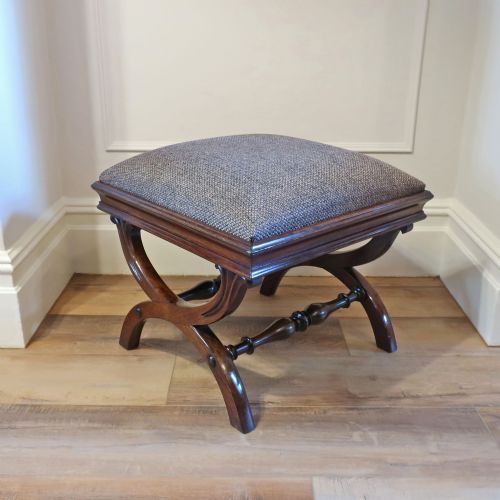

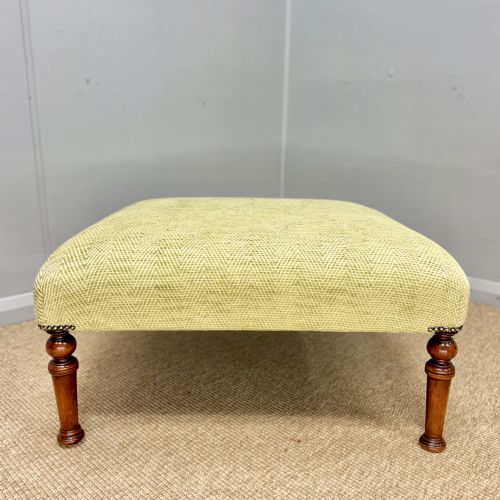

Fabric Upholstered Ottoman
Fabric upholstered ottoman pieces bring tactile comfort and practical storage to a room, spanning nineteenth century Victorian designs to Edwardian window seats.
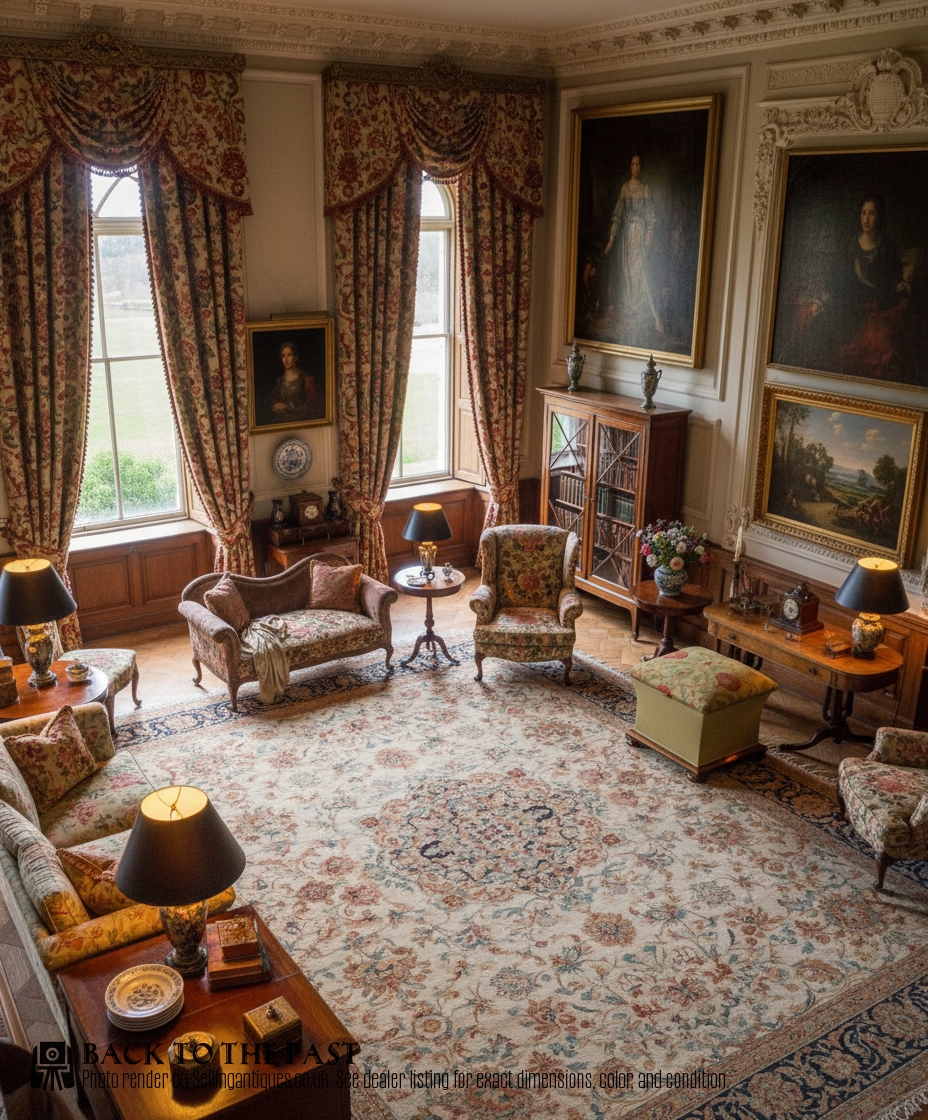
Fabric Upholstered Ottoman
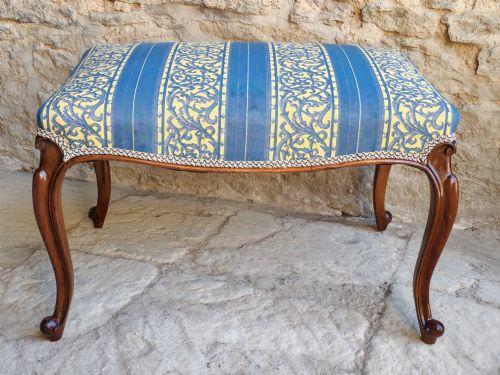
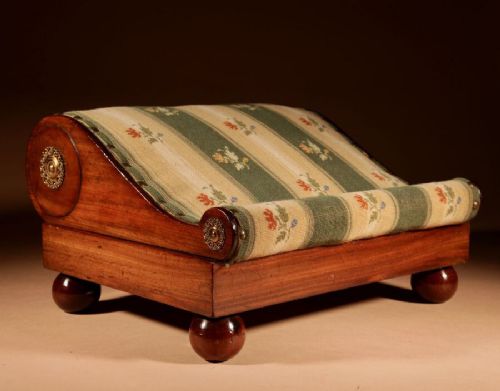
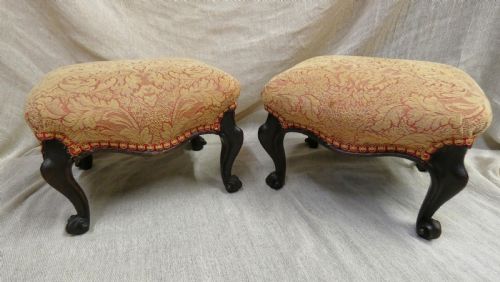
A fabric upholstered ottoman serves primarily as a footstool, a blanket box, or a window seat, combining seating with concealed storage compartments. Buyers searching this phrase encounter nineteenth century pieces alongside Edwardian examples.
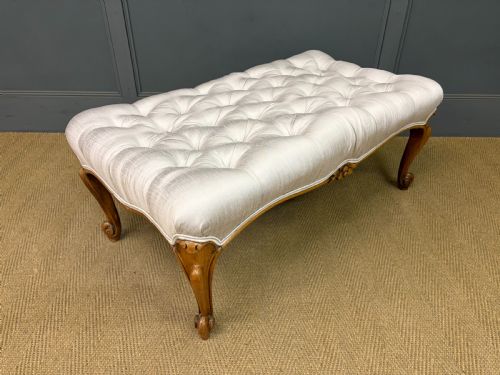
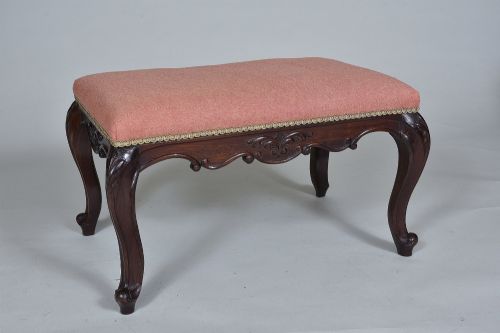
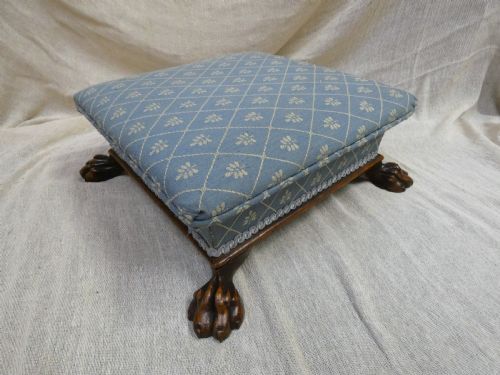
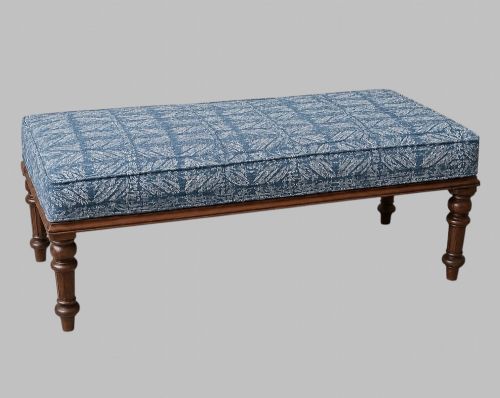
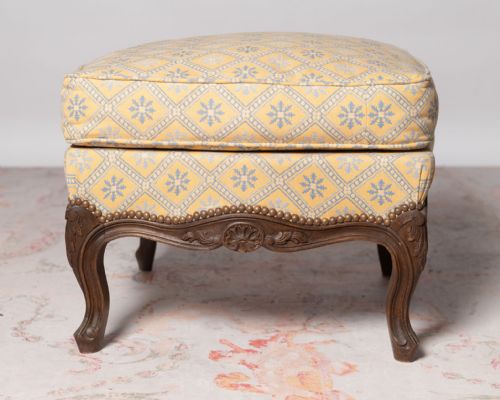
Stools range from compact square footstools to very long window seats and large storage chests. Formats include waisted shapes, concave blanket boxes, and cushion top designs resting upon brass castors or cabriole legs.
Materials and construction
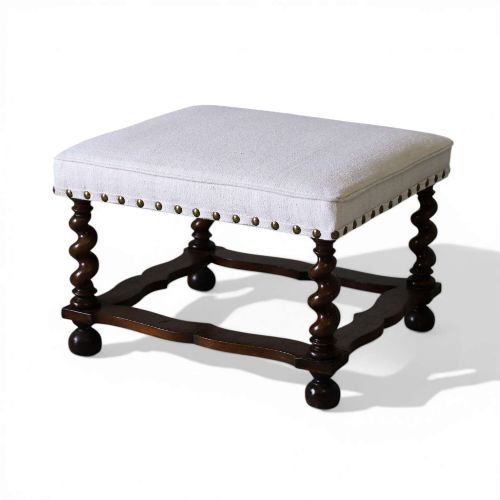
Frames are constructed from solid timber including mahogany, walnut, rosewood, and pine, occasionally utilising giltwood or exposed carved wood. Secondary elements incorporate brass castors for mobility and intricate stretcher systems.
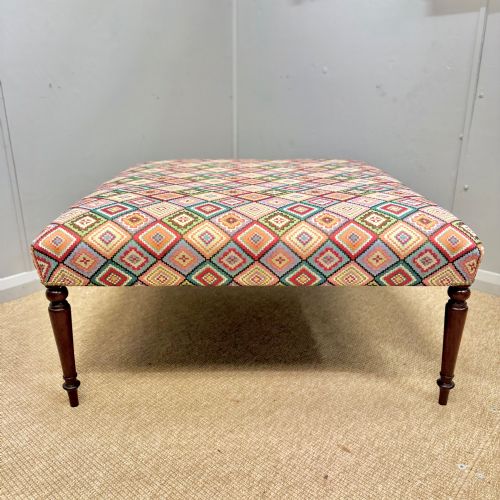
Upholstery relies upon traditional fabric coverings such as woolwork needlepoint, woven Kilim, and patterned textiles stretched over padded foundations. Buttoned backs and hinged lids define the storage variants.
Listings feature eighteenth century walnut pieces alongside Victorian rosewood and Edwardian window seats.
Defining quality in antique ottomans
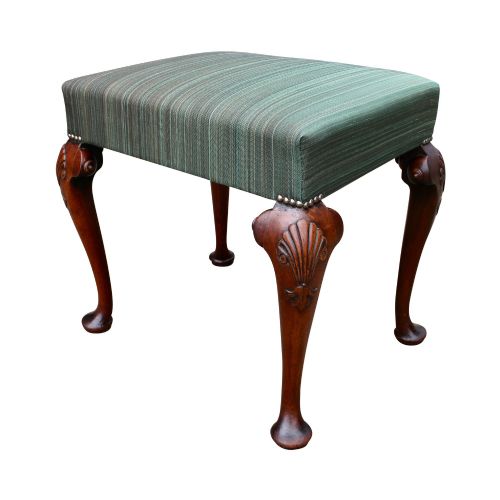
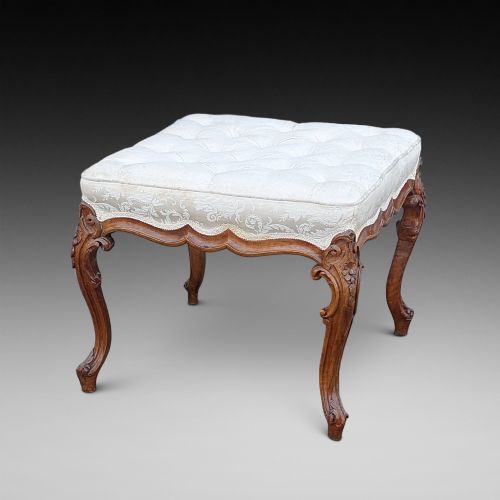
Quality rests upon the proportion and timber selection of the wooden frame, where dense mahogany or figured walnut indicates superior cabinetmaking. Carved details, such as cabriole legs or giltwood enrichment, elevate the piece.
The integrity of the internal storage box, the smoothness of hinged mechanisms, and the authenticity of period upholstery materials separate standard examples from finer workshops.
Howard and Sons·Loidrault Freres Paris
The Fabric Upholstered Ottoman Glossary
- Ottoman
- A low upholstered seat or bench without a back or arms, often featuring a hinged lid that opens to reveal storage space. These pieces function as footstools or window seats.
- Kilim
- A flatwoven textile originating from the Middle East and Central Asia, frequently utilised to cover nineteenth century footstools and ottomans. It adds durable patterned colour to seating.
- Cabriole leg
- A furniture leg that curves outward at the knee and tapers inward toward the foot, commonly seen on Victorian and walnut frames. This style reflects eighteenth century revivals.
- Box ottoman
- A hinged storage seat popular during the Regency and Victorian eras, designed to hold blankets or linens. The wooden box forms the structural base beneath the upholstery.
- Needlepoint
- Hand stitched yarn embroidery worked on a stiff canvas mesh, frequently employed for Victorian footstool upholstery. Traditional floral and geometric motifs predominate.
Fabric Upholstered Ottoman: Frequently Asked Questions
How do I date a fabric upholstered ottoman?
Dating relies upon timber choice, leg style, and construction methods visible beneath the upholstery. Victorian pieces often display walnut or rosewood with turned legs, while Regency examples favour mahogany.
Secondary woods inside storage compartments and the style of brass castors provide further clues to the decade of manufacture.
Are these ottomans suitable for daily seating?
Most antique ottomans and footstools are structurally robust enough for regular use in a living room or bedroom. Solid timber frames support the padded top effectively.
Buyers should inspect the internal hinges and frame joints on storage models to ensure they remain stable for daily opening and sitting.
What is the difference between an ottoman and a footstool?
An ottoman typically incorporates an internal storage compartment accessed via a hinged cushion top. Footstools are generally smaller, solid platforms designed solely for resting feet.
Larger Victorian examples often blur this distinction by functioning as both window seats and blanket boxes.
Can I use modern fabric on these antiques?
Reupholstering antique frames is a common practice that allows these pieces to integrate with contemporary interiors. Many listings feature historic textiles, while others offer frames ready for new upholstery.
Choosing appropriate period fabrics or designer prints helps maintain the visual integrity of the furniture.