


Fabric Bedroom Chair
A fabric bedroom chair brings intimate seating and period character to a dressing room or parlour.
Fabric Bedroom Chair
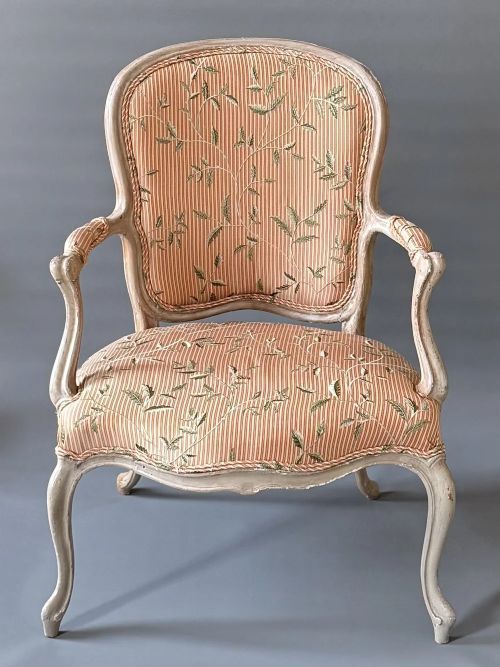
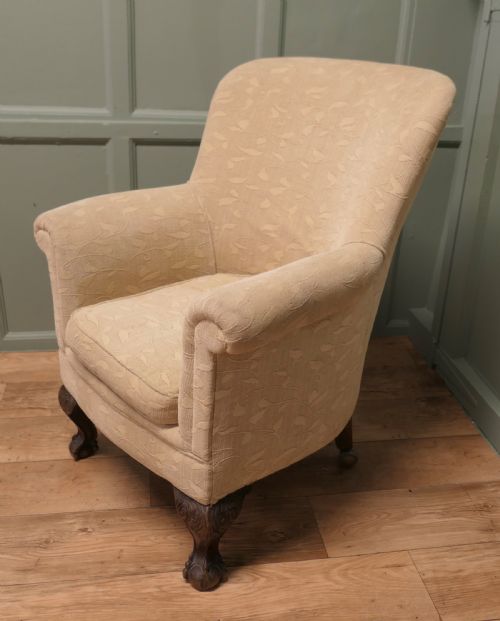
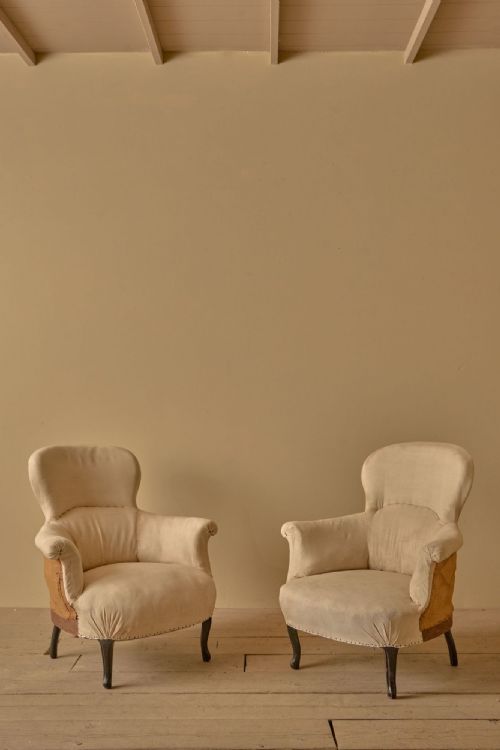
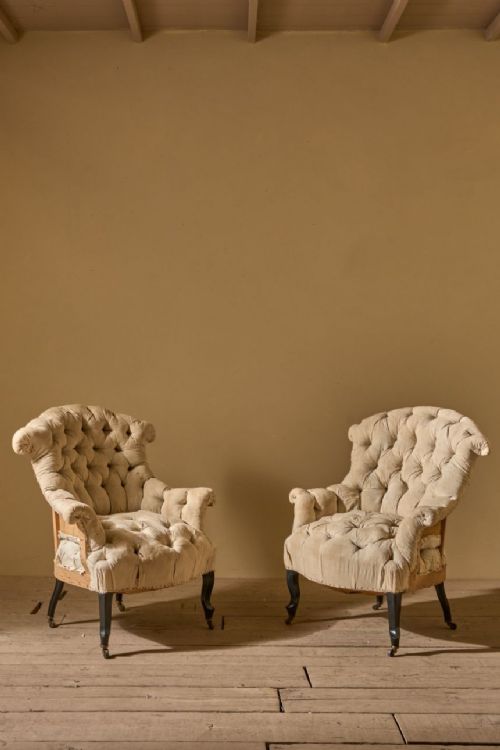
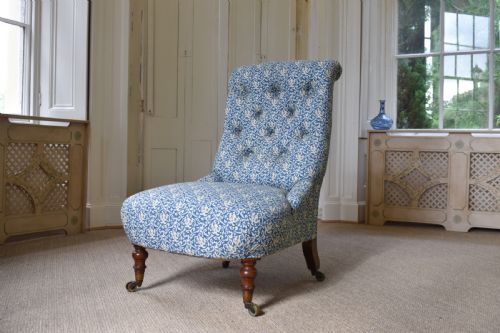
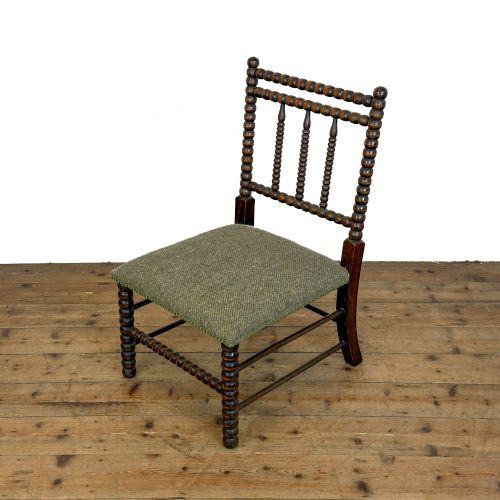
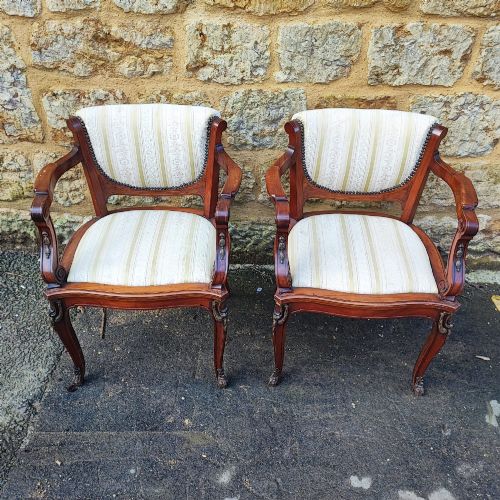
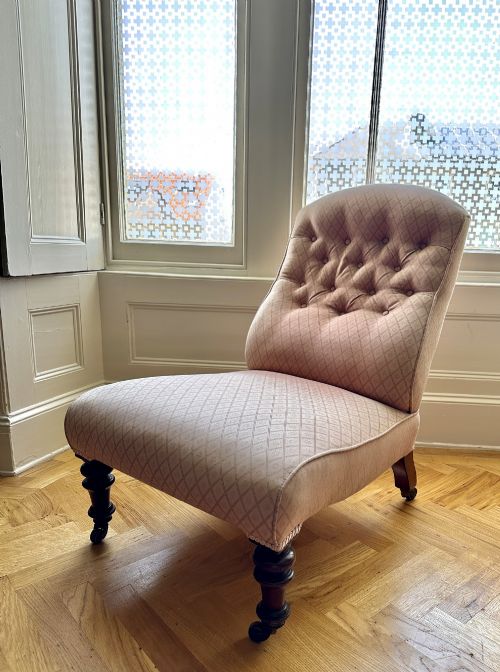
A fabric bedroom chair encompasses compact seating forms designed for private chambers, appearing frequently as low-slung nursing chairs, slipper chairs, and tub armchairs. These pieces emerge from the nineteenth and early twentieth centuries, spanning Victorian, Edwardian, and French stylistic influences.
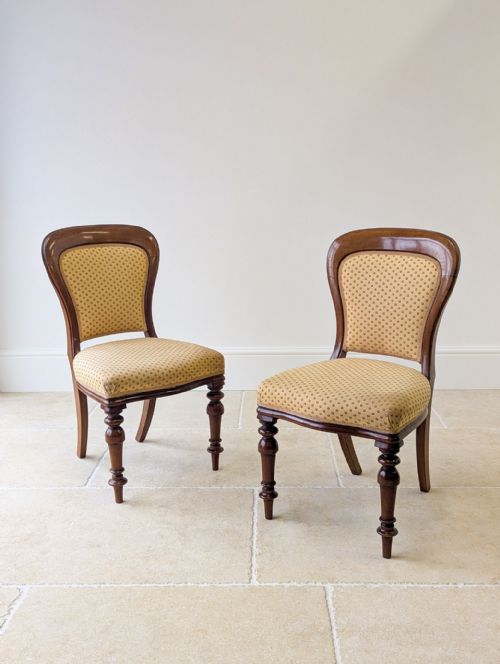
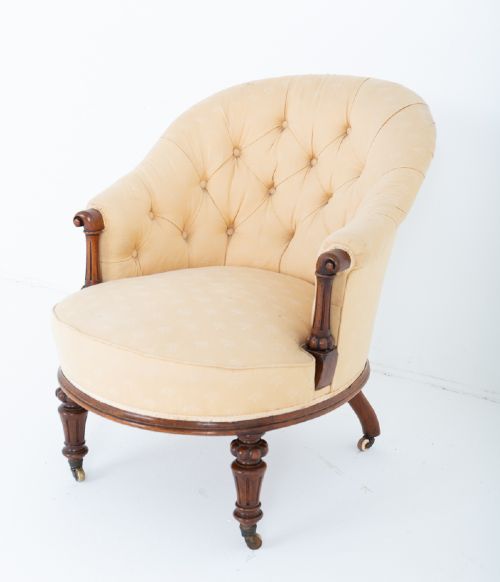
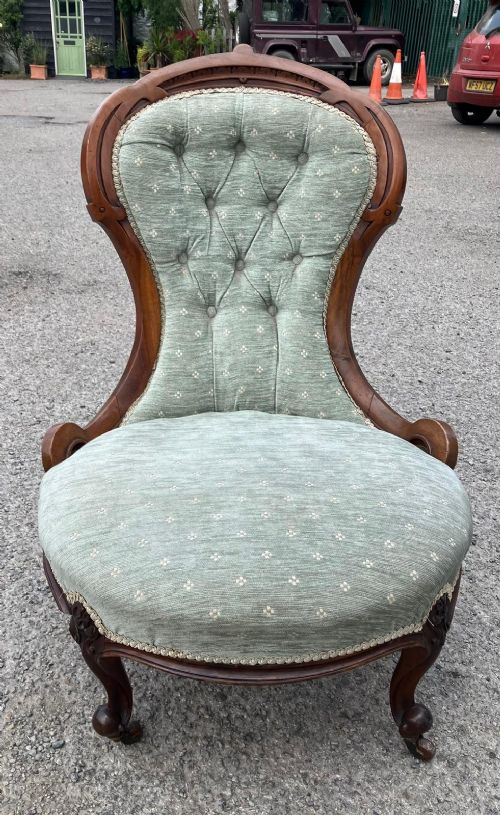
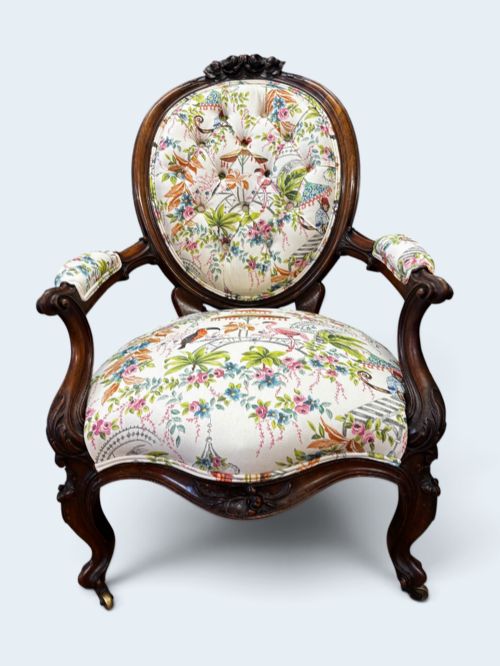
Victorian examples dominate the selection, often featuring buttoned backs, carved walnut or mahogany frames, and low seats tailored for nineteenth-century domestic routines. Buyers also encounter Edwardian iterations in satinwood and oak, alongside French painted models upholstered in contemporary designer textiles.
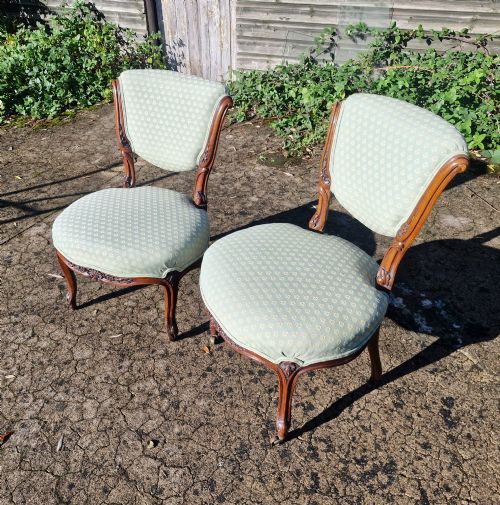
The category extends to occasional chairs and side chairs upholstered in tapestry, velvet, calico, and striped cotton. Their compact proportions distinguish them from larger parlour seating, making them suited to modern bedroom placement.
How they were made
Frames rely on traditional cabinet timbers such as mahogany, walnut, satinwood, and oak, joined with pegged or mortise and tenon construction. Ebonised finishes, gilt highlights, and hand-carved details surface across nineteenth-century and French provincial workshops.
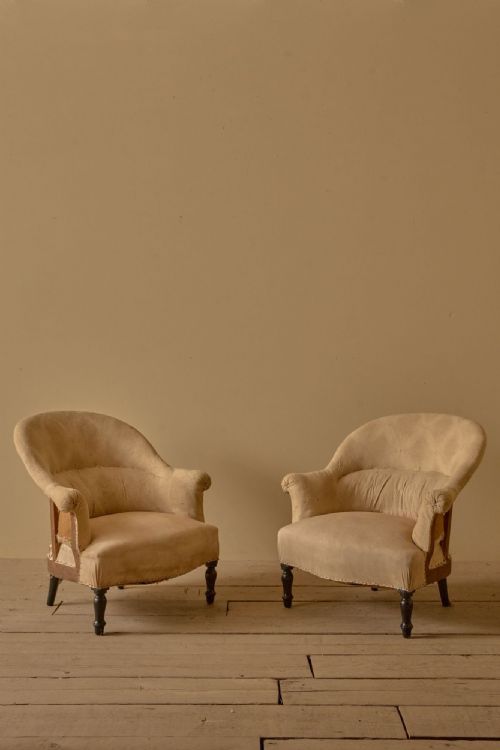
Upholstery techniques involve traditional sprung or webbed foundations layered with horsehair and stuffing, secured under calico before receiving a top cover of velvet, tapestry, or printed fabric. Brass castors and iron supports occasionally finish the lower frame.
Fabric Bedroom Chair Retail Price Guide 2026
Typical asking prices for fabric bedroom chair among the pieces listed under this phrase on Sellingantiques today, from the lower quarter to the upper quarter. They describe what is for sale here now, not the wider market.
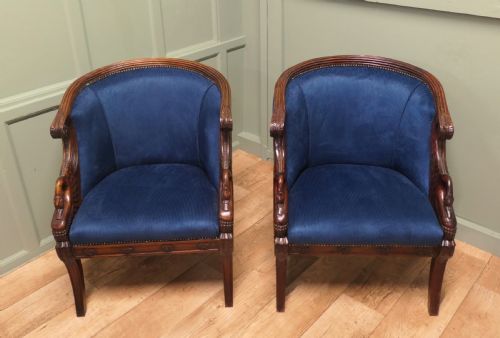
Some nineteenth-century tub chairs arrived with carved swans keeping watch from the armrests.
What varies in quality
The distinction between ordinary and superior pieces rests in the crispness of the frame carving, the selection of cabinet wood, and the integrity of the underlying joinery. Walnut and figured mahogany frames with hand-carved crestings command greater regard than plain secondary woods.
Upholstery execution and textile choice define the upper tier, particularly when historic frames retain maker stamps or utilise specialist designer fabrics. Proportions remain crucial, with refined curves and balanced spoon backs separating finer salon seating from utilitarian chamber chairs.
Howard and Sons
The Fabric Bedroom Chair Glossary
- Nursing chair
- A low-seated Victorian armchair designed originally for nursing infants, featuring an upright padded back and exposed wooden legs.
- Slipper chair
- A low, armless bedroom chair sitting close to the floor, traditionally used for changing shoes or dressing.
- Tub chair
- An enclosed armchair with a continuous curved back and arms forming a semicircular barrel shape.
- Button-back
- An upholstery method where depressions are formed in the padding by stitching buttons at regular intervals across the fabric.
- Satinwood
- A pale, lustrous exotic hardwood utilised for fine cabinet work and decorative inlay during the eighteenth and nineteenth centuries.
Fabric Bedroom Chair: Frequently Asked Questions
What is a fabric bedroom chair?
A fabric bedroom chair is a compact, upholstered seat designed for private chambers, encompassing forms like low nursing chairs, tub chairs, and slipper chairs.
These pieces typically date from the Victorian and Edwardian periods, combining timber frames with traditional textile upholstery.
How were bedroom chairs used?
These chairs served functional roles in dressing rooms and bedchambers for tasks such as putting on shoes, nursing children, or quiet reading.
Their lower profiles and comfortable padded backs made them suited to private, informal spaces rather than formal reception rooms.
How do I date a bedroom chair?
Dating relies on examining the timber frame, carving style, upholstery technique, and any maker stamps or structural markers present on the piece.
Victorian pieces often display button backs and walnut frames, whereas Edwardian examples frequently feature lighter mahogany or oak constructions with simpler lines.
Are these chairs comfortable for daily use?
Many period bedroom chairs offer supportive sprung or webbed seating, though their dimensions are generally more compact than modern lounge furniture.
Pieces with deep seats or traditional horsehair stuffing provide a firm, supportive sit suited to occasional relaxation.