
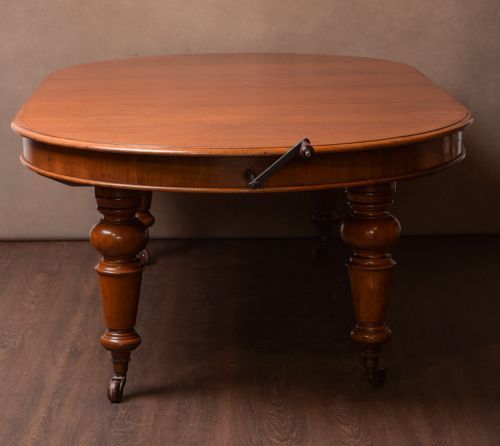
F and J Smith Table
When you search for an f and j smith table, you encounter diverse dining, writing, and occasional furniture spanning multiple periods.
F and J Smith Table
The search phrase f and j smith table brings together various furniture items associated with maker names and specific stylistic traditions. Buyers looking at this selection encounter dining tables and writing surfaces dating from the Victorian era alongside pieces designed in the manner of earlier makers.
The version most likely to be met on this page is a mahogany dining table bearing maker association or a writing surface styled after nineteenth-century designs. Other tables span side, serving, sofa, occasional, and loo table formats constructed from rosewood or mahogany.
Beyond tables, the broader evidence includes clocks, candlesticks, and desk accessories by makers bearing similar names, yet the specific furniture category focuses attention on timber construction from the nineteenth century.
How they were made
Construction relies heavily on dense timbers such as mahogany and rosewood, chosen for their durability and grain pattern. Cabinet makers utilised traditional joinery methods to assemble sturdy frames for dining tables and writing desks.
Surface treatments involve polishing and finishing to enhance the natural figure of the wood. Tables styled after specific nineteenth-century designers incorporate classical proportions and carved details executed by hand.
Among the clocks keeping time alongside these tables, promotional advertising pieces feature automotive themes from Brooklands.
What varies in quality
Quality differences depend on the grade of timber selected for the top and the precision of the joinery beneath. Superior examples demonstrate careful timber matching and crisp execution of carved or moulded details.
The integration of secondary woods and the stability of the frame structure distinguish finely produced tables from more utilitarian workshop output.
F And J Smith·George Smith·James Smith·William Smith·Edward Smith·Frederick J Smith and Co
The F and J Smith Table Glossary
- Mahogany
- A durable tropical hardwood widely utilised for furniture construction during the eighteenth and nineteenth centuries due to its rich colour and stability.
- Rosewood
- A heavy, dark timber prized for its distinctive grain and employed in high-status occasional and loo tables.
- Partners desk
- A large double-sided writing table designed for two people to work opposite one another, featuring drawers on both sides.
- Loo table
- A large round or oval nineteenth-century table with a tilting top, originally used for the card game loo.
- Bracket clock
- A portable clock designed to sit on a bracket or shelf, often featuring a striking mechanism and fine timber or lacquered case.
F and J Smith Table: Frequently Asked Questions
What periods do these tables represent?
The listings span the nineteenth century, with particular emphasis on Victorian production and designs inspired by earlier Regency styles.
Craftsmanship reflects the prevalent cabinet-making traditions of those specific decades.
Which woods are most common?
Mahogany and rosewood dominate the timber selection for the tables found in this category.
These dense woods provide both structural integrity and decorative grain patterns.
How do writing tables differ from dining tables?
Writing tables usually incorporate drawers and smaller surface areas suited for correspondence rather than communal dining.
Partners variants allow seating on both sides with mirrored drawer configurations.