

Extendable Wood Dining Table
An extendable wood dining table brings historic presence and adaptability to a room, offering room for gatherings through clever mechanisms.
Extendable Wood Dining Table
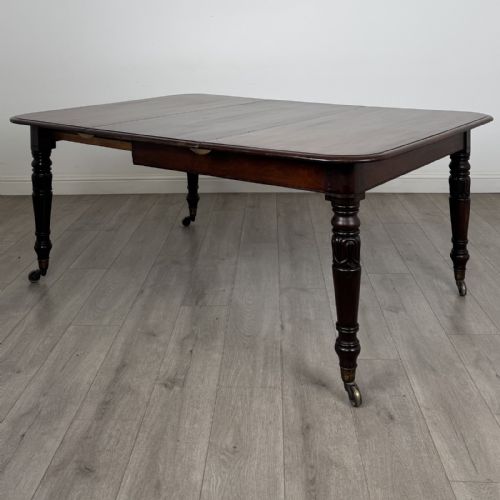
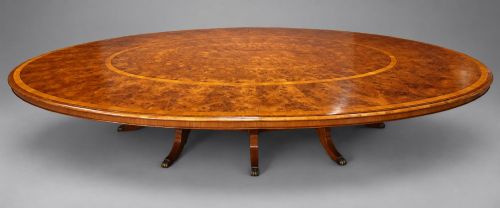
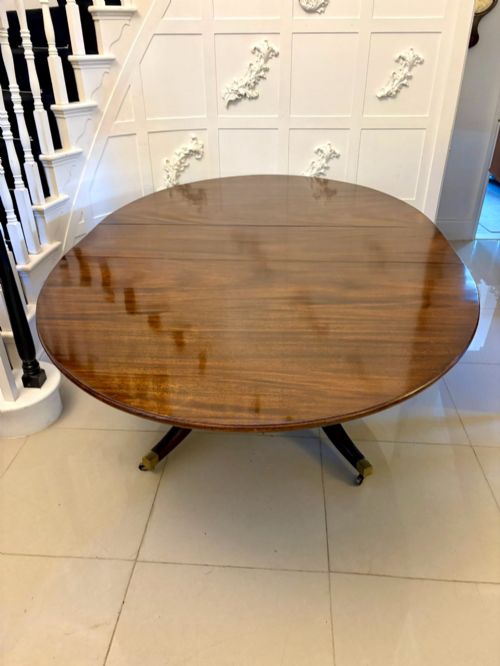
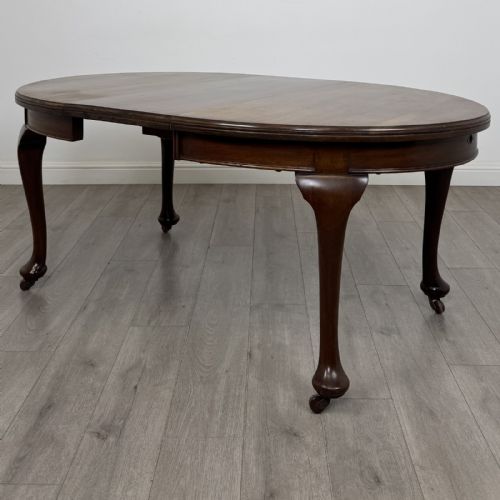
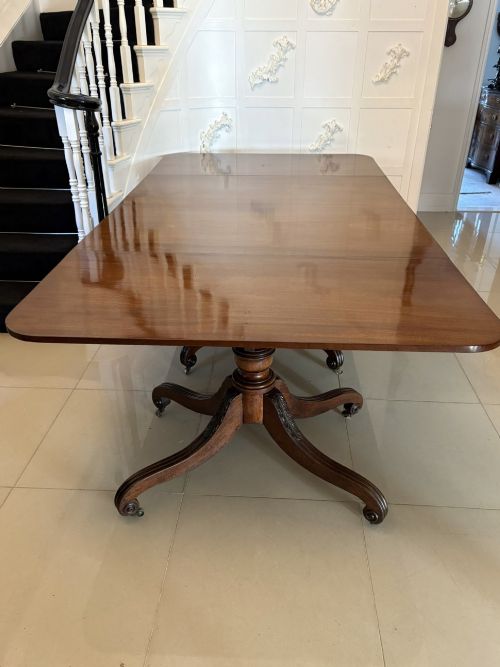
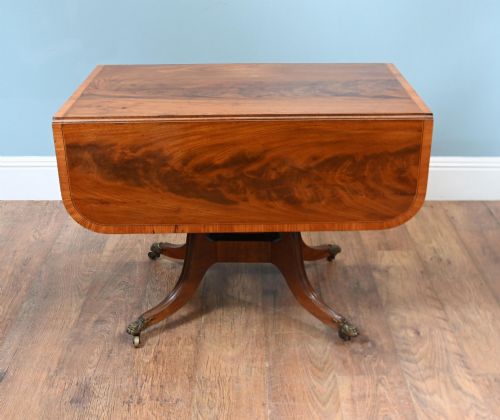
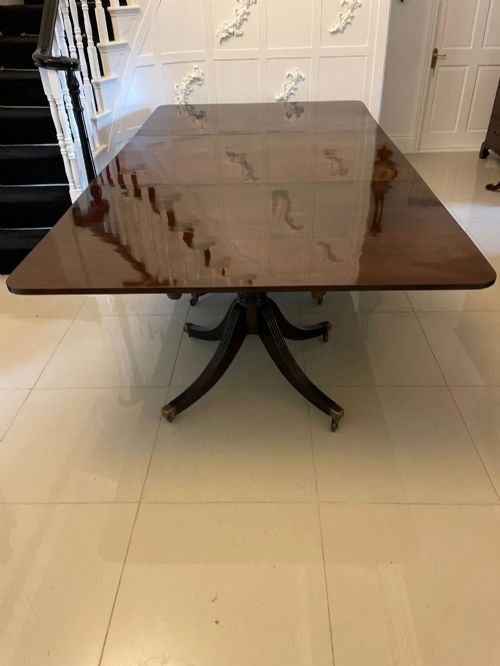
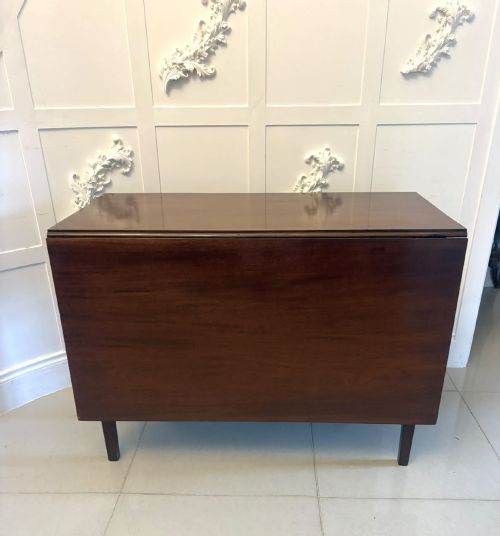
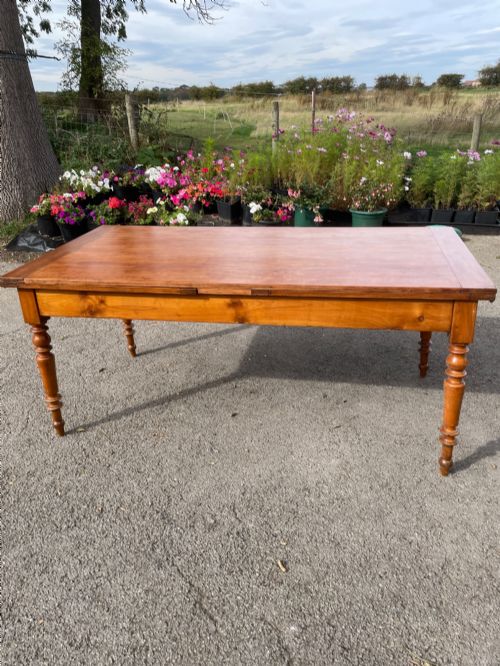
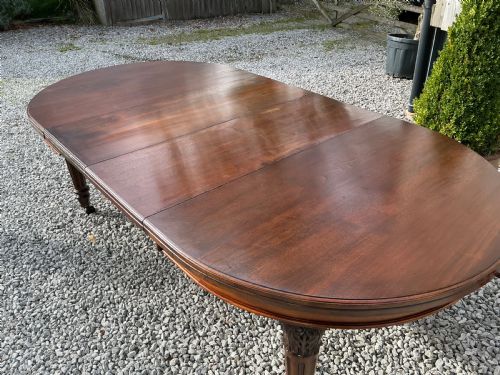
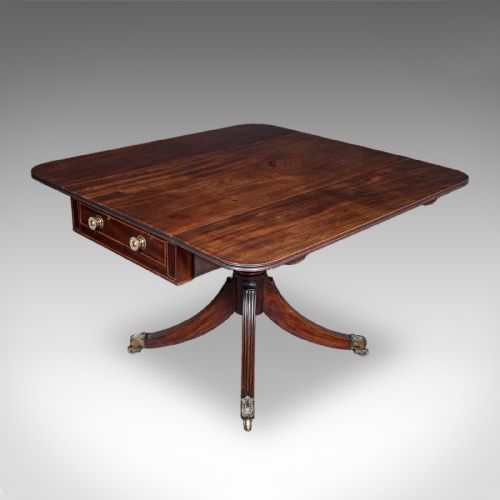
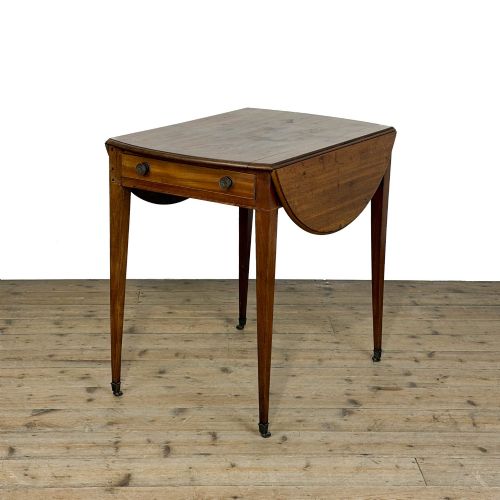
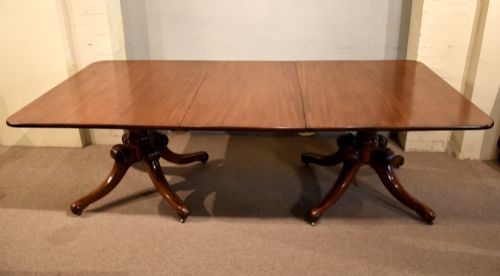
An extendable wood dining table serves as the central piece for entertaining, designed to expand for larger company using removable leaves or drop leaves. When you search for an extendable wood dining table, you encounter diverse forms ranging from multileaf pillar models to drop-leaf gateleg designs.
The specimens on this page originate from periods such as the Georgian, Regency, Victorian, and Edwardian eras, alongside later twentieth-century pieces. Mahogany dominates the selection, appearing alongside walnut, oak, and cherrywood in formats spanning intimate four-seaters to grand banquet tables.
Materials and construction methods
Cabinet makers utilised dense hardwoods like mahogany, oak, and walnut, often selecting figured flames, burrs, or inlaid veneers for visual depth on the top surfaces. Brass fittings frequently secure internal mechanisms, castors, and pillar mounts.
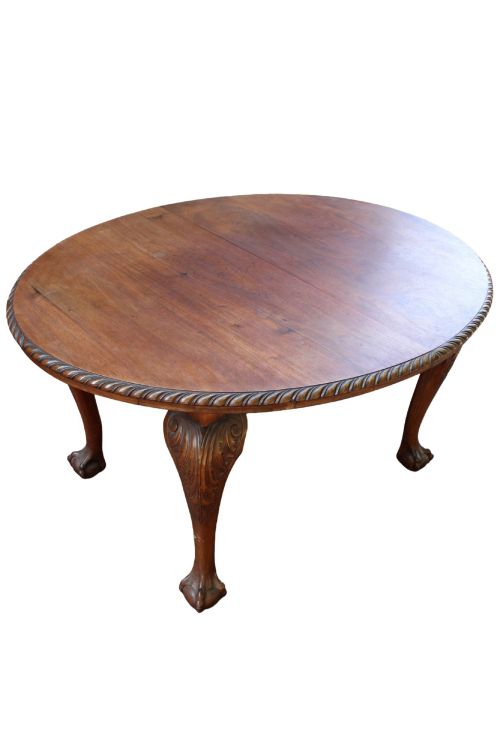
Tables rely on pillar-and-base pedestals, drop-leaf hinges, or draw-leaf actions to manage the addition of extra leaves. Carved cabriole legs, pedestal feet, and solid timber framing provide the structural support needed for heavy timber tops.
Extendable Wood Dining Table Retail Price Guide 2026
Typical asking prices for extendable wood dining table among the pieces listed under this phrase on Sellingantiques today, from the lower quarter to the upper quarter. They describe what is for sale here now, not the wider market.
Listings feature woods including mahogany, burr walnut, oak, and birds-eye maple across Georgian, Victorian, and Art Deco styles.
Judging the standard of execution
Superior examples demonstrate meticulous matching of timber grain across inserted leaves and main sections, ensuring a coherent visual flow when fully expanded. Finely carved details on pedestals, legs, and aprons distinguish more ambitious workshops from utilitarian production.
The precision of the extending mechanism dictates daily utility, with well-engineered runners and solid brass hardware allowing smooth operation. Timber selection also defines the tier, as heavy figured mahogany and burr walnut demand greater skill in seasoning and joining.
Maple and Co·Hille·William and Gibton
The Extendable Wood Dining Table Glossary
- Drop Leaf Table
- A table with hinged flaps on either side that fold down to save space or lift up to create a larger surface. These often rest on swinging gate legs.
- Pillar Table
- A table supported by one or more central pedestals rather than four corner legs. These frequently split apart to receive extra leaves.
- Draw Leaf Table
- A table equipped with concealed leaves stored beneath the main top that pull out from the ends to extend the surface length. This design keeps the leaves attached to the frame.
- Flame Mahogany
- A veneer cut from timber where the grain creates a distinctive flickering, flame-like pattern. It was highly favoured for formal dining surfaces.
- D-End Table
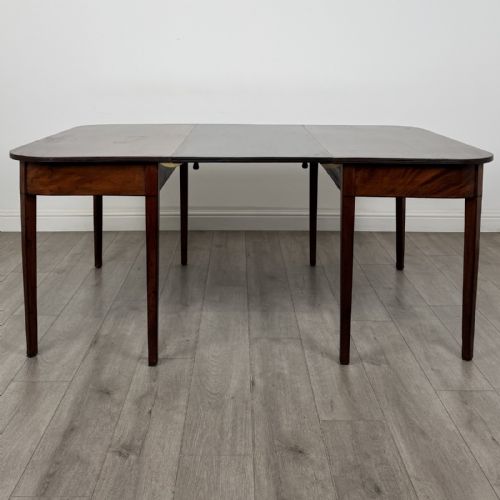
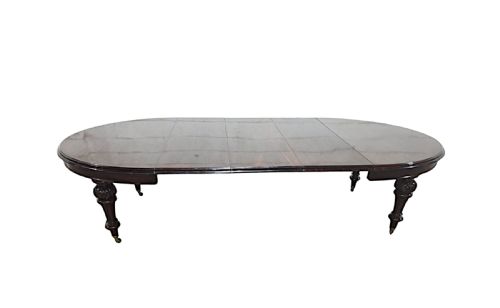
- A table comprising sections with semicircular ends that resemble the letter D, which can be separated or joined together with leaves. They are typical of the Georgian and Regency periods.
Extendable Wood Dining Table: Frequently Asked Questions
How do I operate the extending mechanism?
Many pillar tables separate at the centre on a sliding track, allowing you to drop in loose timber leaves and secure them with brass clips beneath.
Other formats use drop leaves or pull-out draw leaves that slide from beneath the main surface without requiring separate storage for extra boards.
Where were these tables made?
The pieces originate primarily from British workshops across the Georgian, Victorian, and Edwardian periods, alongside continental European pieces from France and Sweden.
English cabinet makers set high standards in mahogany construction, while Irish workshops produced distinctive D-end and drop-leaf variations.
How do I date an antique wooden table?
Dating relies on stylistic clues such as cabriole legs, pedestal formations, timber choice, and the construction methods visible beneath the top.
Periods range from eighteenth-century Georgian designs up to Art Deco and mid-century examples from the twentieth century.
Can I use daily placemats on antique polish?
Historic French polish and wax finishes require protection from direct heat and moisture to prevent rings or lifting in the timber grain.
Using felt-backed placemats and coasters preserves the polished surface while allowing you to use the table regularly for meals.