

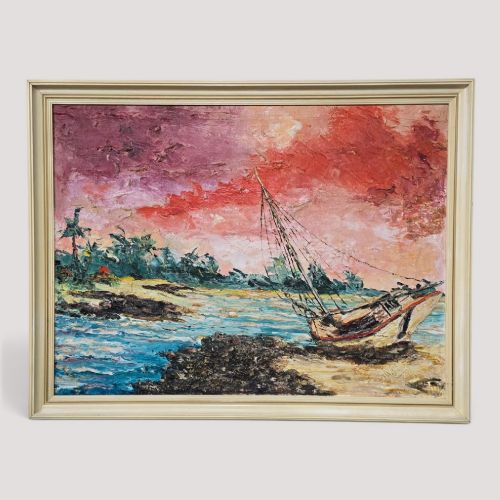
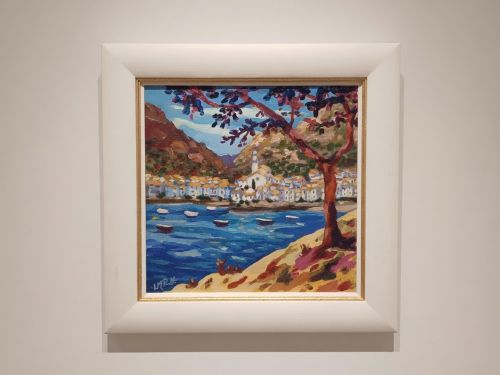
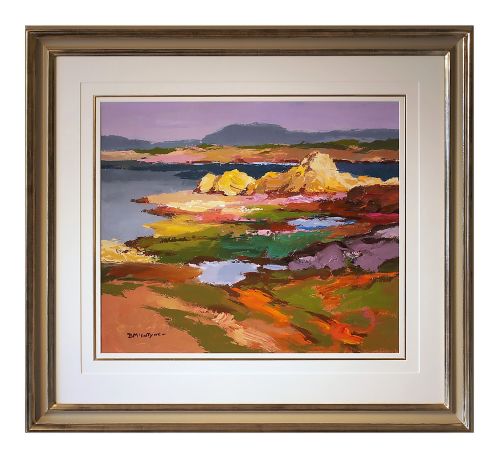
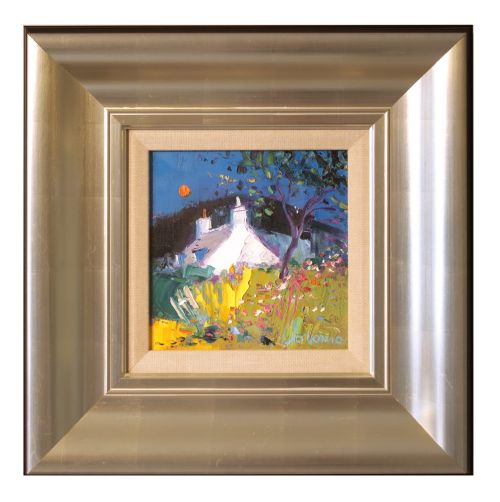


Expressionist Landscape
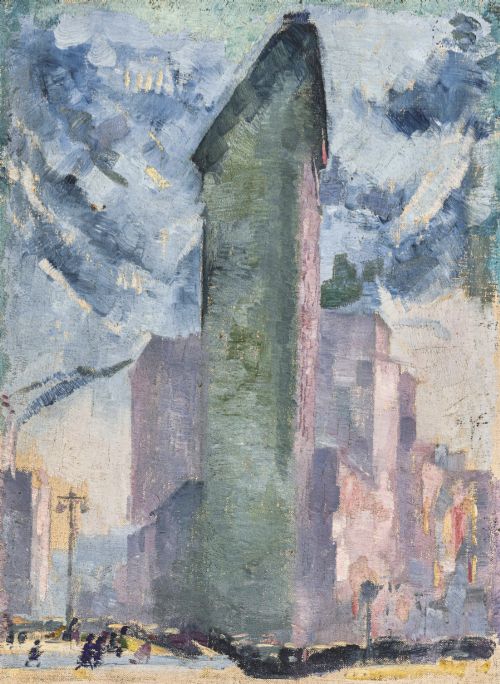
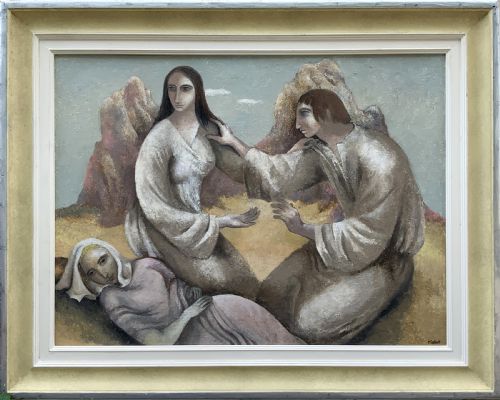
An expressionist landscape captures emotion and movement through bold brushwork rather than strict realism.
Expressionist Landscape
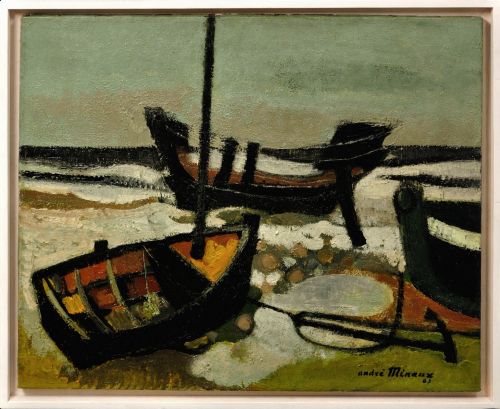
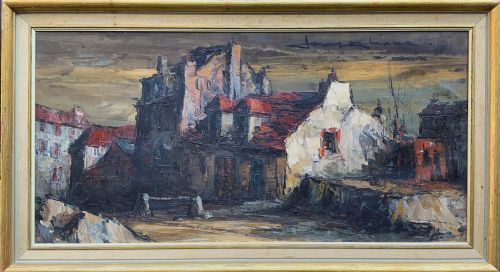
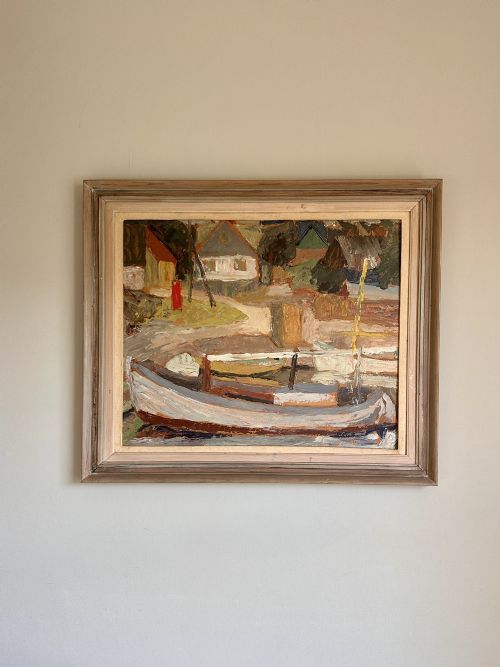
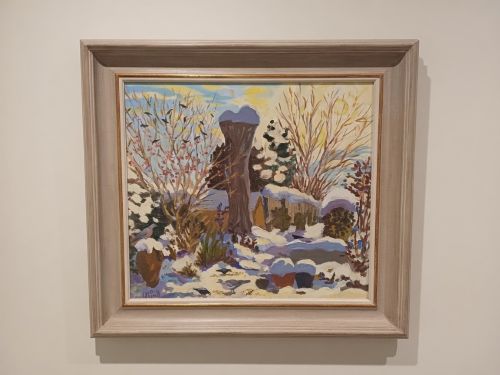
When you search for an expressionist landscape, you encounter vibrant works that prioritise internal feeling and raw atmosphere over photographic accuracy. The pieces gathered here span from the early twentieth century through the nineteen-sixties, capturing rural scenes, urban streetscapes, and coastal views.
You are most likely to meet mid-century canvases on this page, often framed in wood and executed with heavy impasto paint. These works draw upon movements such as French Expressionism, German Expressionism, and Modern British art, reflecting the diverse approaches of artists working across Europe.
Materials and construction methods
Artists working in this genre rely primarily on oil paint applied thickly to canvas, board, or paper, creating tactile surfaces with visible brush marks. The physical buildup of pigment, known as impasto, gives the foliage, water, and buildings a tangible presence.
Support materials typically include stretched canvas housed within vintage wood frames, though works on paper and mixed media pieces also appear. The handling of the medium ranges from rapid gestural sketches to heavily worked surfaces built up over time.
Expressionist Landscape Retail Price Guide 2026
Typical asking prices for expressionist landscape among the pieces listed under this phrase on Sellingantiques today, from the lower quarter to the upper quarter. They describe what is for sale here now, not the wider market.
Periods represented reach from nineteen-ten through the nineteen-sixties and beyond.
Distinctions in quality and execution
The strength of an expressionist landscape rests in the conviction of its mark-making and the coherence of its colour palette. Successful pieces sustain an intense emotional resonance through confident brushwork, whereas lesser examples can rely on formulaic gestures that lack structural depth.
Provenance and documentation also separate notable works from standard studio pieces. Paintings that retain a clear connection to a recognised artist or exhibition history carry greater authority within the field.
Alfred Wolmark·Donald McIntyre·John Lowrie Morrison·Joan Gillchrest·Gabriel Dauchot·Mercedes Legrand·Sir William George Gillies·Markey Robinson
The Expressionist Landscape Glossary
- Impasto
- A technique where paint is laid onto a surface in very thick layers, usually thick enough that the brush or painting-knife strokes are visible. This method adds physical texture and dimension to the painted surface.
- Fauvism
- An early twentieth-century style of art characterised by strong colours and painterly qualities rather than realistic or representational values. Practitioners favoured flat areas of aggressive colour.
- Provenance
- The chronology of the ownership, custody, or location of a historical object. A documented history can help authenticate the origin and creator of a painting.
- Mid-Century Modern
- A style of design and art from roughly the nineteen-thirties to the mid-nineteen-sixties that embraces clean lines and modernist ideals. Works from this period often blend abstraction with recognizable subject matter.
Expressionist Landscape: Frequently Asked Questions
What defines an expressionist landscape?
An expressionist landscape uses distorted forms, vigorous brushwork, and non-naturalistic colours to convey emotional states rather than visual facts.
Artists working in this mode distort nature to reveal inner truths about weather, terrain, and human interaction with the environment.
How should I hang these paintings?
These works require adequate wall space and balanced lighting to let the heavy texture and bold colours register properly.
Pairing them with simple wood frames allows the vigorous brushwork to remain the primary focus of the room.
How do I date these artworks?
Dating relies on stylistic markers, framing conventions, and artist biographies documented in the listing details.
Works from the nineteen-twenties often share techniques with early avant-garde movements, while later mid-century pieces show shifts toward abstract composition.
Can I mix these with modern interiors?
These paintings integrate easily into contemporary spaces because their expressive brushwork complements minimalist furnishings and neutral walls.
The dynamic application of oil paint adds warmth and historical depth to modern rooms.