

Expressionist Art
Expressionist art captures raw feeling through bold brushwork and distorted forms, bringing striking psychological depth and visual energy into any room.
Expressionist Art
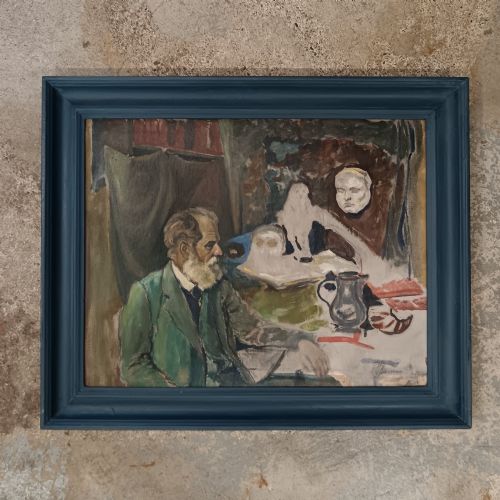
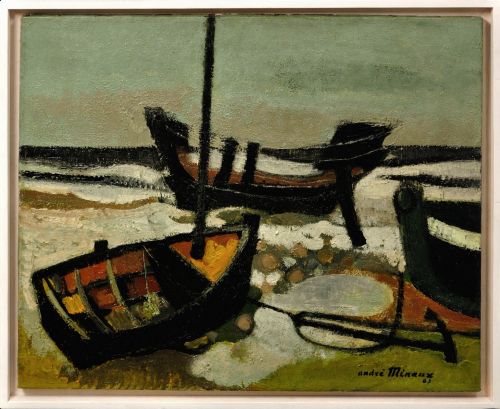
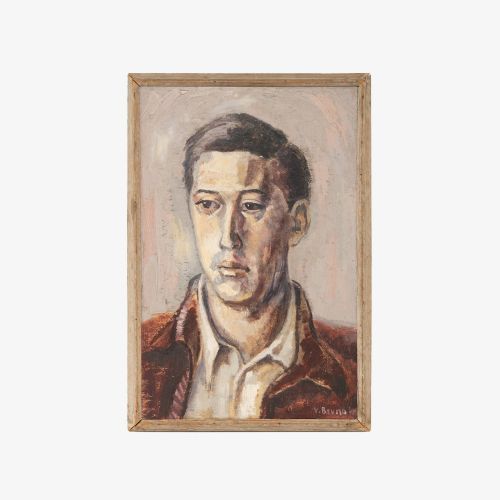
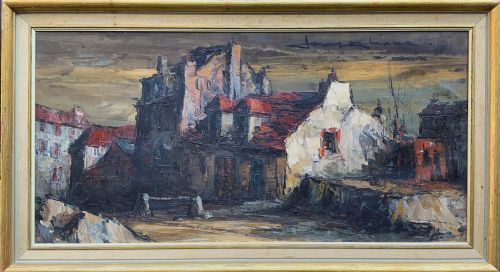
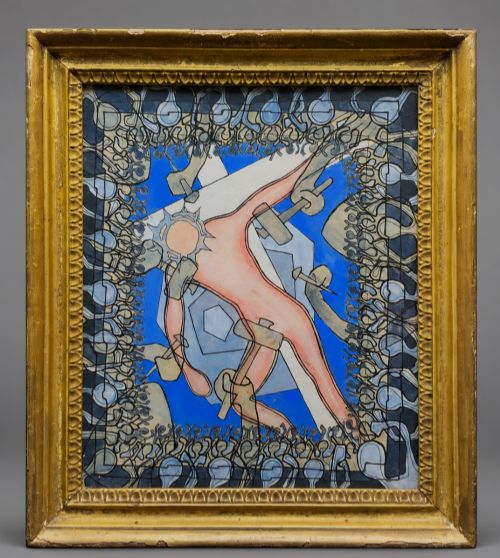
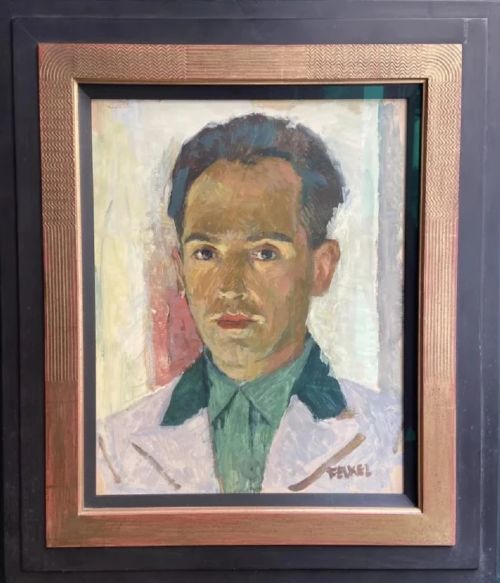
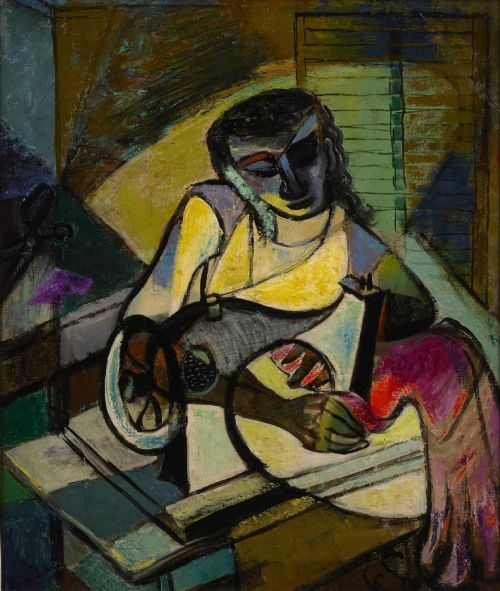
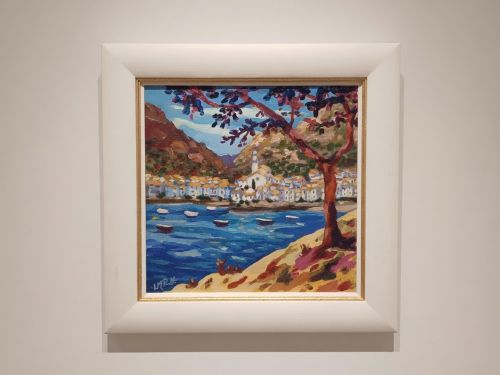
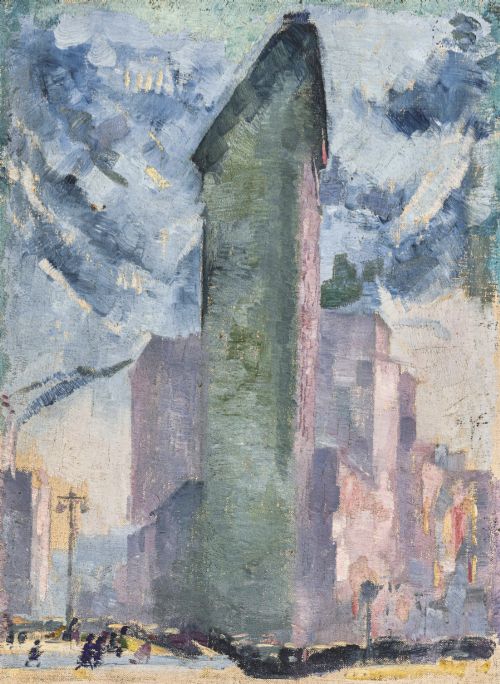
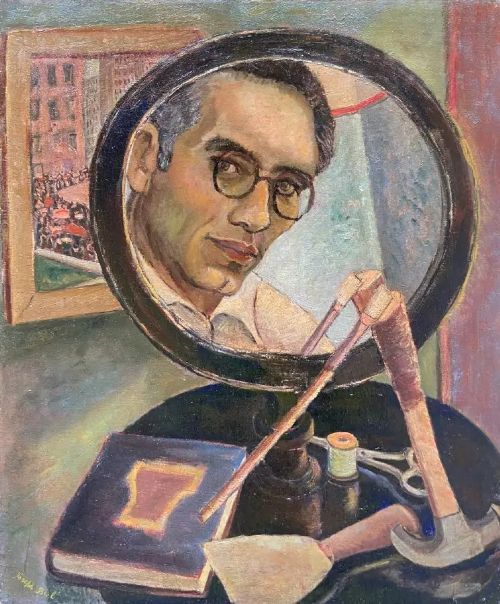
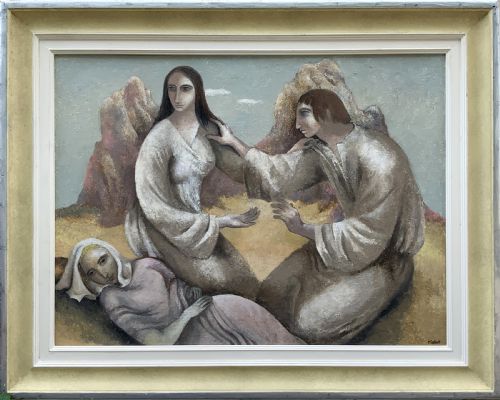
When searching for expressionist art, collectors encounter paintings, drawings, and prints spanning the early decades of the twentieth century up to the nineteen-sixties. Portraits, landscapes, and cityscapes dominate the selection, often rendered with deliberate emotional intensity.
The works reflect varied regional movements, including mid-century British compositions, French canvases, and Amsterdam School metalwork alongside works on paper. Mid-century examples strongly represent the period, bringing energetic mark-making and vivid colour palettes to the forefront.
Materials and techniques
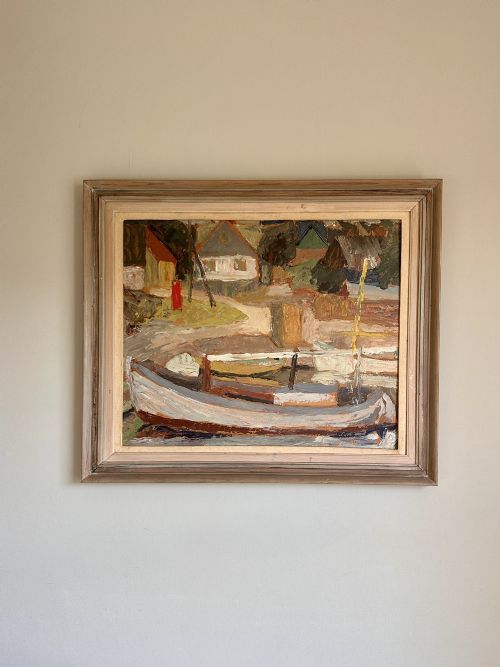
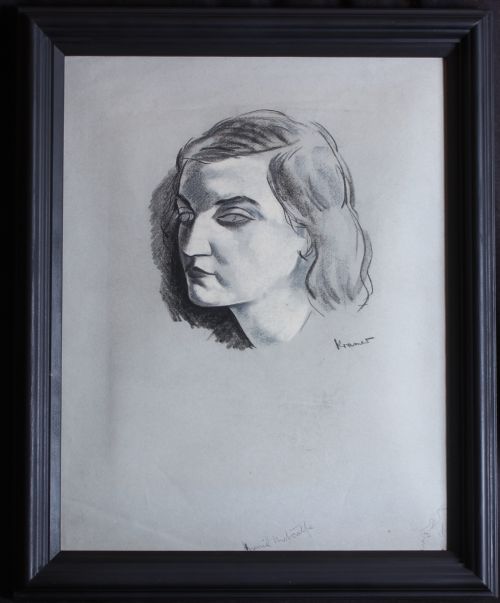
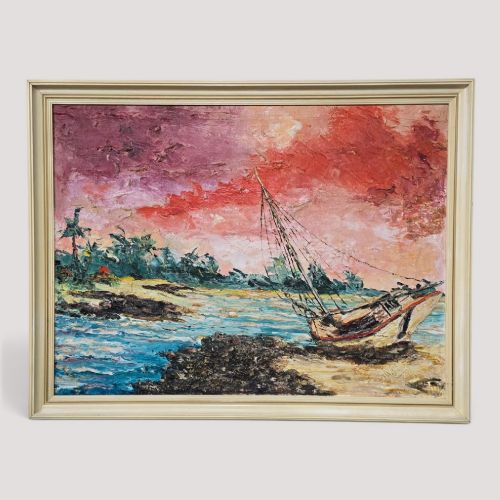
Artists utilise oil paint on canvas and board, frequently building thick impasto layers that give physical relief and texture to the surface. Ink and watercolour on paper appear widely for direct, linear studies and sketches.
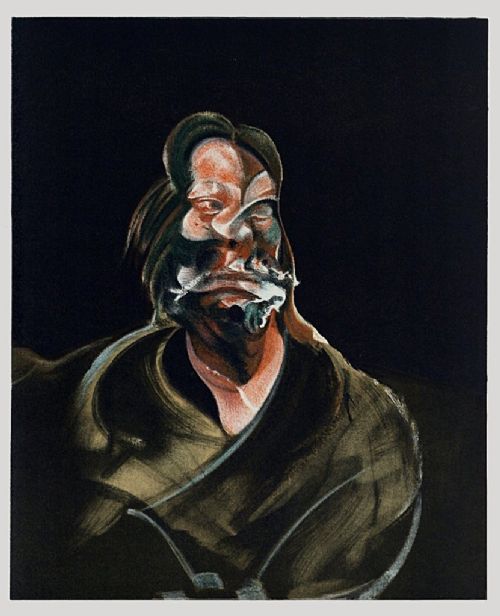
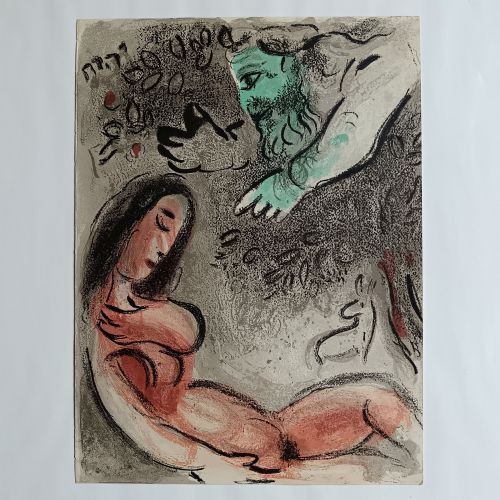
Graphic techniques such as lithography allow for bold printed editions, while metal objects utilise patinated copper and brass formed into architectural shapes.
Expressionist Art Retail Price Guide 2026
Typical asking prices for expressionist art among the pieces listed under this phrase on Sellingantiques today, from the lower quarter to the upper quarter. They describe what is for sale here now, not the wider market.
Listings feature works spanning from nineteen-hundred through the nineteen-sixties, incorporating oils, watercolours, ink drawings, and metalwork.
Judging quality in the work
Quality rests on the confidence of the mark and the surety of the composition, where deliberate distortion conveys inner feeling rather than awkward execution. The handling of medium defines the visual success, particularly in how thick impasto or fluid ink captures movement and light.
Provenance and documentation anchor the significance of a piece, separating lesser studio exercises from definitive statements by recognised practitioners of the style.
Jacob Kramer·Francis Bacon·Lucy Pratt·Marc Chagall·Carl Felkel·Joseph Biel·Alfred Wolmark·Lena Gurr·Christine Nesbit·Donald McIntyre·John Lowrie Morrison·Lilian Colbourn·Gen Paul·Olga Choumansky·Joan Gillchrest·Tony Giles·Elisabeth Frink·Hazel M Barnett·Gaetan Dumas·Gabriel Dauchot·Mercedes Legrand·Baruch Shalom Oskotsky
The Expressionist Art Glossary
- Impasto
- Paint applied thickly to a canvas or board, standing out in relief from the plane so that the marks of the brush or palette knife remain visible. This technique adds tactile depth and catches light across the surface.
- Lithography
- A planographic printing process based on the repulsion of oil and water, enabling artists to draw directly onto a limestone block or metal plate to produce multiple impressions. It yields rich, painterly results.
- Amsterdam School
- An architectural and design movement originating in the Netherlands around nineteen-hundred, characterised by rounded brickwork, expressive forms, and elaborate metalwork in brass and copper. Objects show distinct organic silhouettes.
- Gouache
- An opaque water-based paint that dries to a matte finish, offering dense coverage and vibrant colour saturation on paper supports. It allows for rapid application and strong tonal contrasts.
Expressionist Art: Frequently Asked Questions
What defines expressionist art?
Expressionist art prioritises emotional experience over literal representation, using distorted forms, bold colours, and vigorous brushwork to convey internal psychological states.
Works from this tradition reject academic realism in favour of direct, subjective responses to the modern world.
How should I frame works on paper?
Works on paper require conservation mounting with acid-free materials to prevent discolouration and deterioration over time. Keeping the surface away from direct contact with glass preserves delicate ink and watercolour mediums.
Framing under UV-filtering glazing protects pigments from fading under natural light exposure.
How do I care for impasto oil paintings?
Thick impasto surfaces accumulate dust within textured crevices and require gentle removal using a soft, dry artist brush rather than cloths that snag on raised paint. Avoiding extreme humidity fluctuations protects the structural integrity of both canvas and ground.
Displaying pieces away from direct heat sources prevents the oil medium from drying out excessively.
Are prints considered original artworks?
Original lithographs and etchings are printed from plates or stones prepared by the artist, making them genuine creative works rather than mere reproductions. Each impression in an edition carries individual character through ink density and paper selection.
Documentation such as catalogue raisonné references often confirms the authenticity and printing history of these editions.