




Export Style Urn
An export style urn brings decorative presence to a room, drawing on centuries of global trade, skilled porcelain painting, and traditional craftsmanship.
Export Style Urn
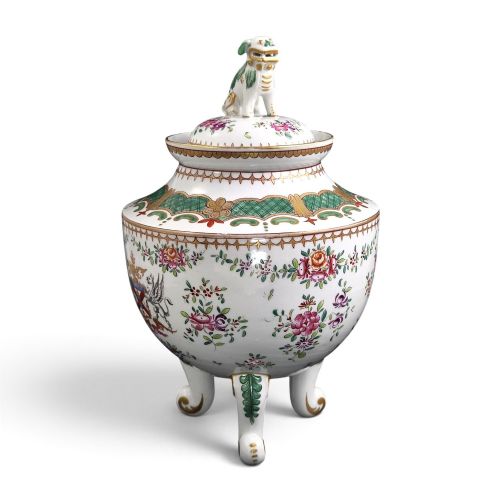
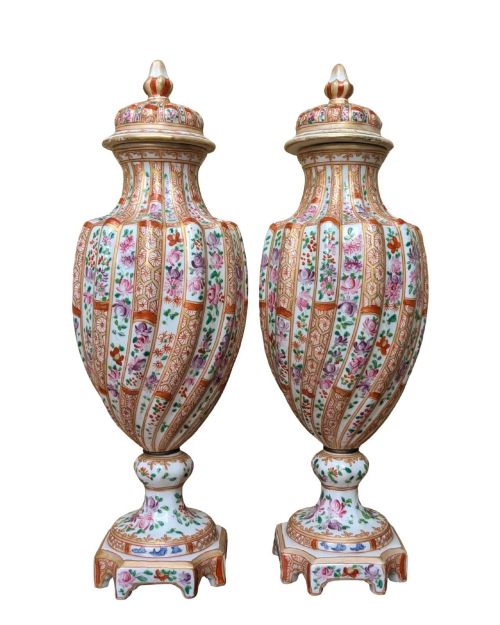
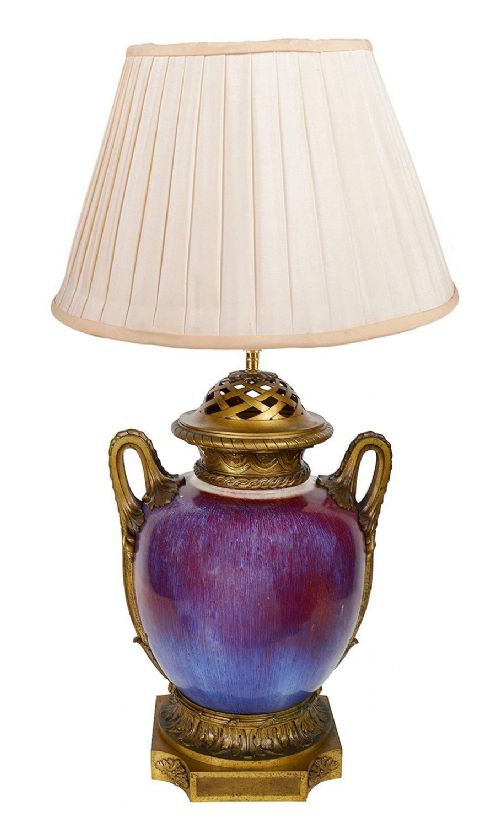
An export style urn typically takes the form of a lidded vase, lamp base, or decorative vessel created to satisfy Western tastes for Eastern aesthetics. These objects span periods from the seventeenth century through the Edwardian era, incorporating styles such as Chinese Export, Chinoiserie, and Meiji or Edo period Japanese designs. Buyers encounter both original ceramic vessels adapted for lighting and matched pairs of decorative porcelain or earthenware.
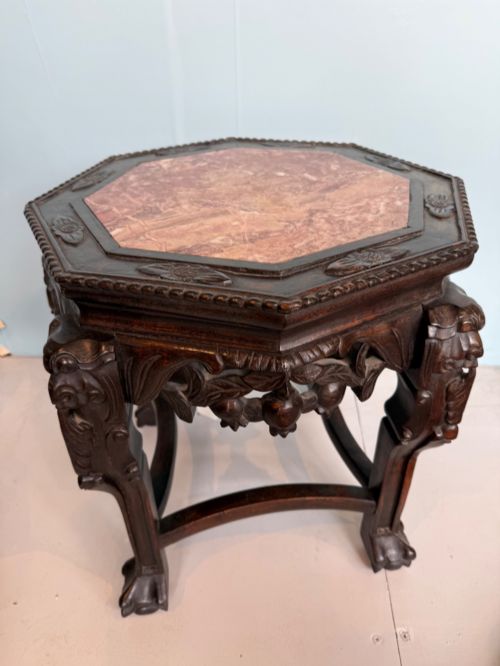
The materials and construction reflect a blend of utilitarian purpose and refined display, utilising porcelain, marble, hardwood, and brass alongside silk or fabric elements. Forms range from table lamps and plant stands to lidded vases and occasional tables featuring intricate hand-painted motifs or inlaid details. Most pieces on this page trace their origins to the nineteenth century, showcasing the enduring popularity of oriental export aesthetics in period interiors.
Materials and production methods
Porcelain and earthenware form the core of these vessels, shaped on the potter's wheel or cast in moulds before receiving detailed hand-painted decoration in enamel, gold leaf, and cobalt blue. Artisans applied vibrant colour palettes such as Famille Rose and Celadon, alongside intricate motifs influenced by Chinese Canton and Japanese Arita traditions. Firing techniques achieved the glossy glazes and dense body characteristic of antique ceramic production.
Supporting elements rely on dense timbers like hardwood and padouk, often paired with marble tops, mother of pearl inlay, and brass fittings. Joinery in the furniture items uses traditional framing methods to support heavy stone inserts and porcelain temple jars. Where pieces function as lamps, wiring and fittings have typically been added or updated during subsequent eras to suit modern domestic use.
Export Style Urn Retail Price Guide 2026
Typical asking prices for export style urn among the pieces listed under this phrase on Sellingantiques today, from the lower quarter to the upper quarter. They describe what is for sale here now, not the wider market.
Materials span porcelain, marble, and hardwood, frequently paired with brass and silk elements.
Assessing quality in export pieces
The precision and detail of the hand-painted decoration set the finer examples apart from standard commercial wares. Superior pieces display crisp enamel work, subtle shading in the porcelain glazes, and careful application of gold leaf that remains vibrant over centuries of handling.
Structural integrity in the accompanying stands and bases determines the overall standard of craftsmanship. High-grade items utilise dense hardwoods, secure joinery, and well-fitted marble inserts, whereas lesser pieces show simpler construction and heavier wear to the surface finishes.
Edme Samson·Fukagawa
The Export Style Urn Glossary
- Chinoiserie
- European artistic style reflecting Chinese motifs and decorative techniques. It emerged during the seventeenth century and influenced furniture, porcelain, and interior design.
- Famille Rose
- Chinese porcelain palette introduced in the eighteenth century, distinguished by opaque pink enamel colours. The style depicts floral and figural scenes.
- Celadon
- Pale green glazed ceramic finish originating in East Asia. The subtle colour imitates jade and results from iron oxide in the glaze firing in a reducing atmosphere.
- Arita
- Japanese town renowned for porcelain production since the early seventeenth century. Wares from this centre frequently feature blue and white underglaze decoration.
Export Style Urn: Frequently Asked Questions
Were these urns made for export?
Many of these vessels were produced specifically for Western markets, blending traditional Eastern forms with European decorative preferences. This trade spanned several centuries and involved specialised workshops.
Makers often adapted traditional motifs to appeal directly to European collectors, resulting in hybrid styles such as French Chinoiserie and nineteenth century Samson reproductions.
Can these lamp conversions be used safely?
Many ceramic urns were converted into table lamps during the nineteenth or twentieth centuries, often requiring modern rewiring to meet contemporary safety standards. Professional electricians can update internal wiring without damaging the antique base.
Inspecting the cord and fittings ensures safe domestic operation while preserving the original ceramic or wooden vessel intact.
How do I care for antique porcelain and hardwood?
Maintenance involves gentle dusting with a soft, dry cloth to prevent accumulation on delicate painted surfaces and intricate carvings. Avoiding harsh chemical cleaners protects fragile enamels and gold leaf.
Stable indoor humidity levels help preserve hardwood stands and prevent timber splitting or movement around marble inserts and mother of pearl inlay.